Summer has been such a whirl this year that I’ve ended up with a folder of drafts about the garden I didn’t find time to post. Now as summer crosses into autumn, I’m starting to tidy up the garden and tackling a few plants that have become triffids.
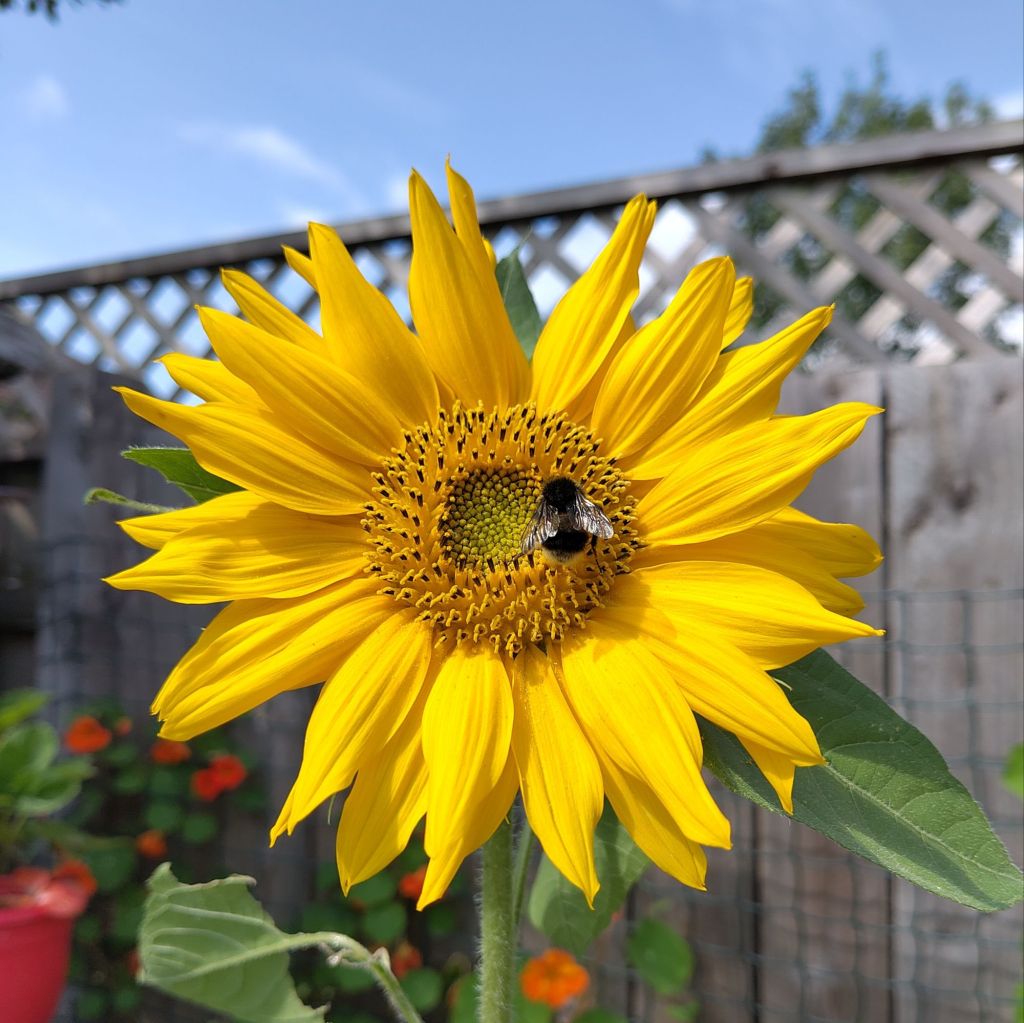
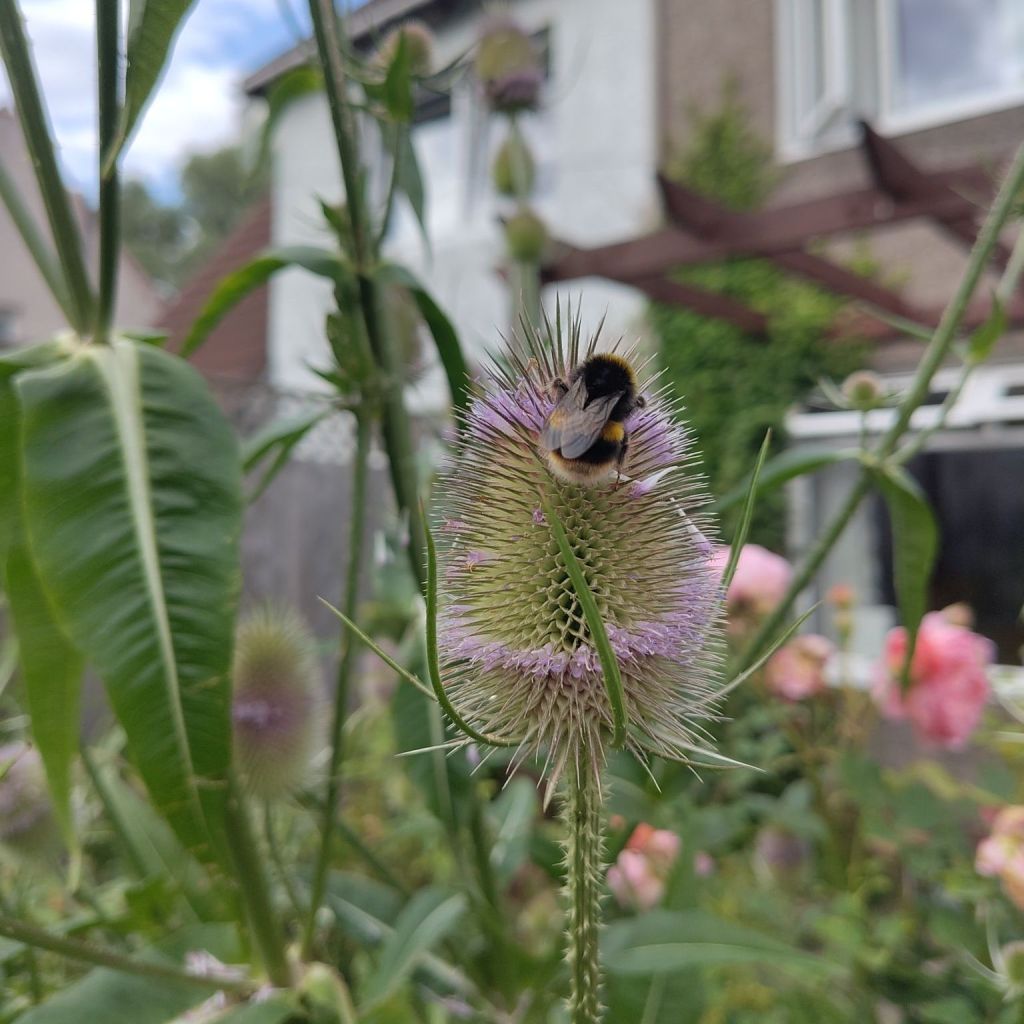
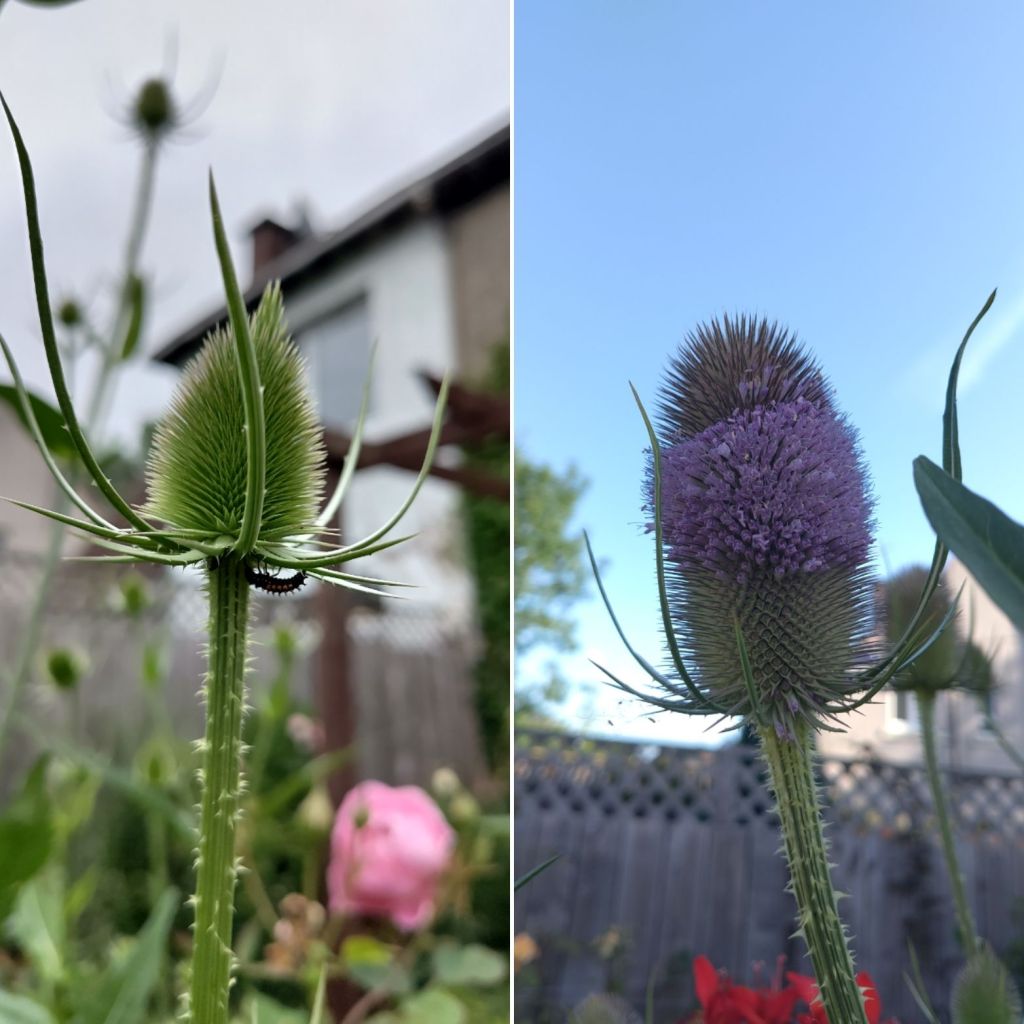
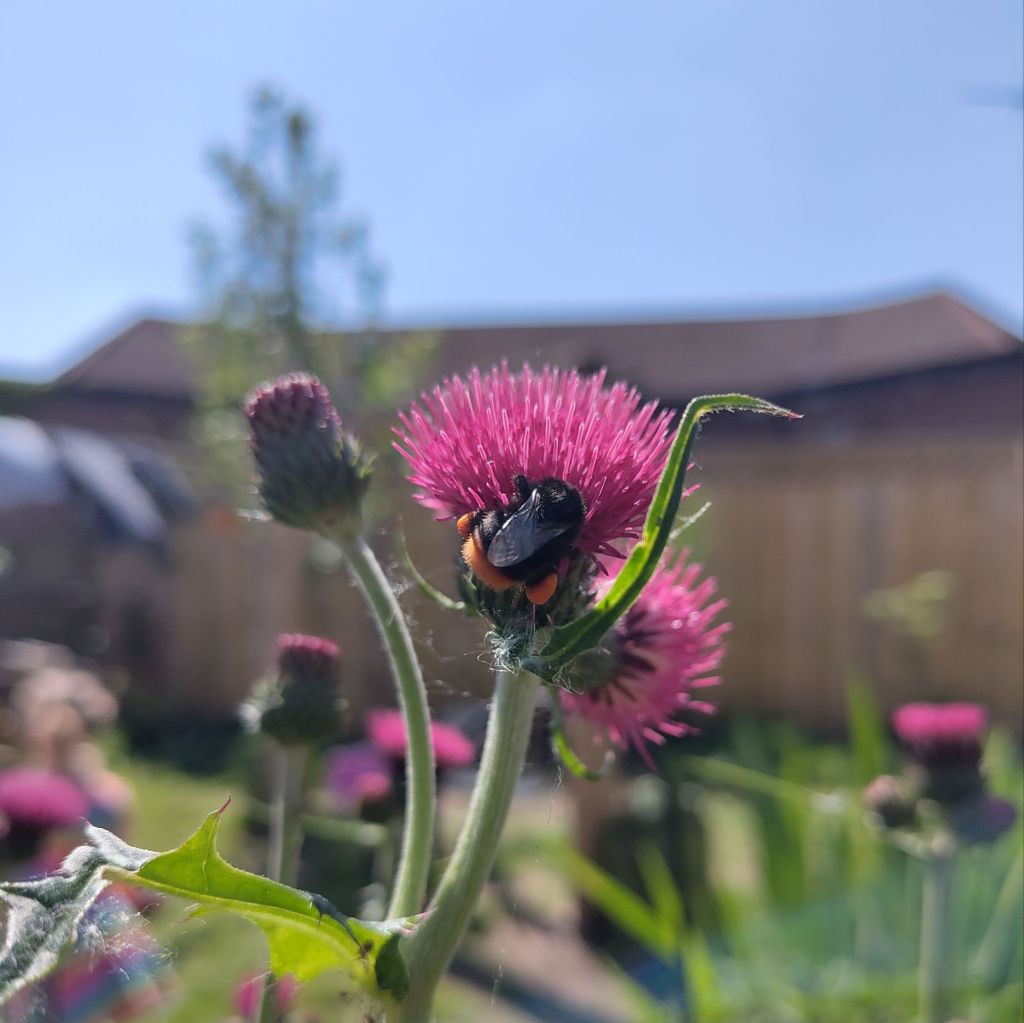
I had grown some teasels in the flower bed to try to attract gold finches to the garden (without success) and I’ve enjoyed watching them grow through the seasons from leafy rosettes in the ground to tall shoots with a hazy purple petals, and finally the spiky seed heads. Ladybirds and bees have absolutely loved the teasels, but they had become total thugs dominating the bed and pushing the other plants out. I pulled them out, and the roses are looking elegant and airy again, and hopefully the hardy geraniums will rebound next year.
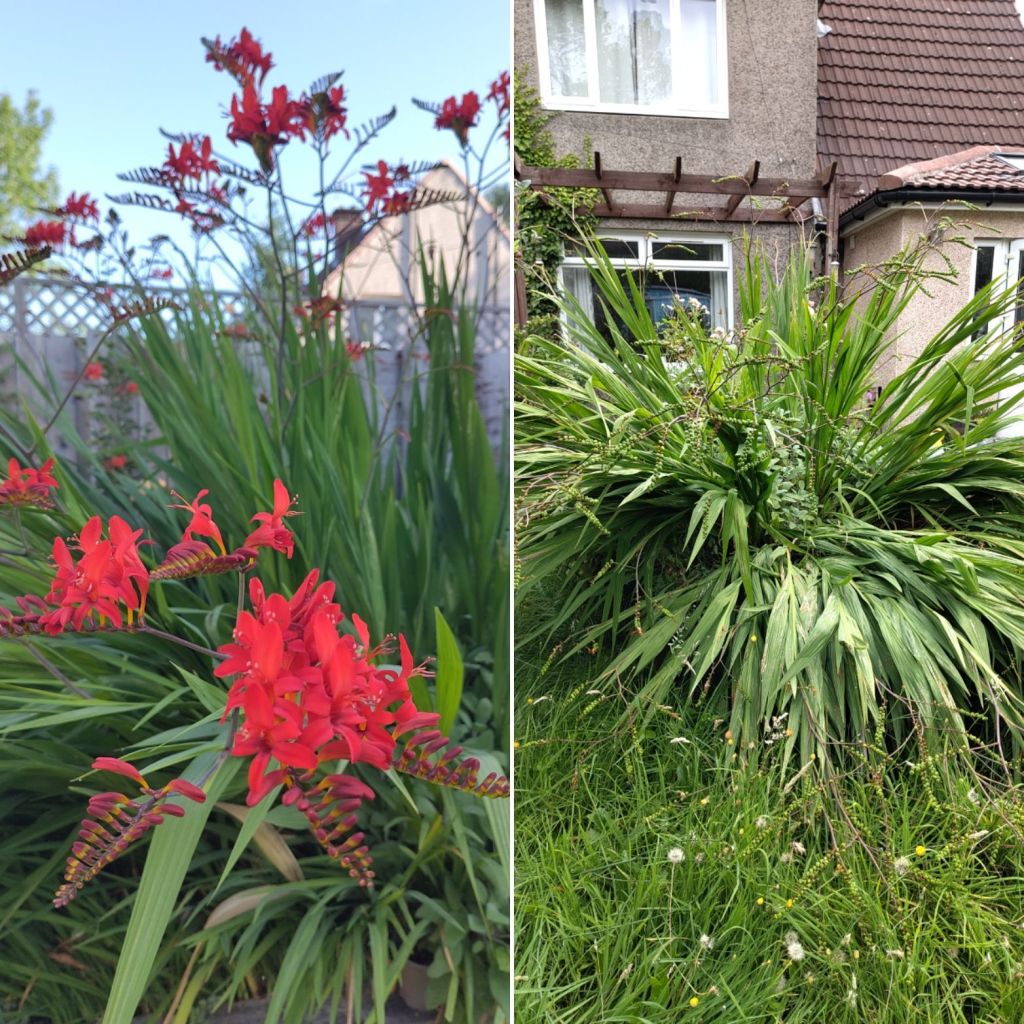
The other triffid in the flower bed is the Crocosmia Lucifer, which always looks fabulous but never lasts very long, and has collapsed under it’s own weight. I’m considering digging it out, or at least thinning it.
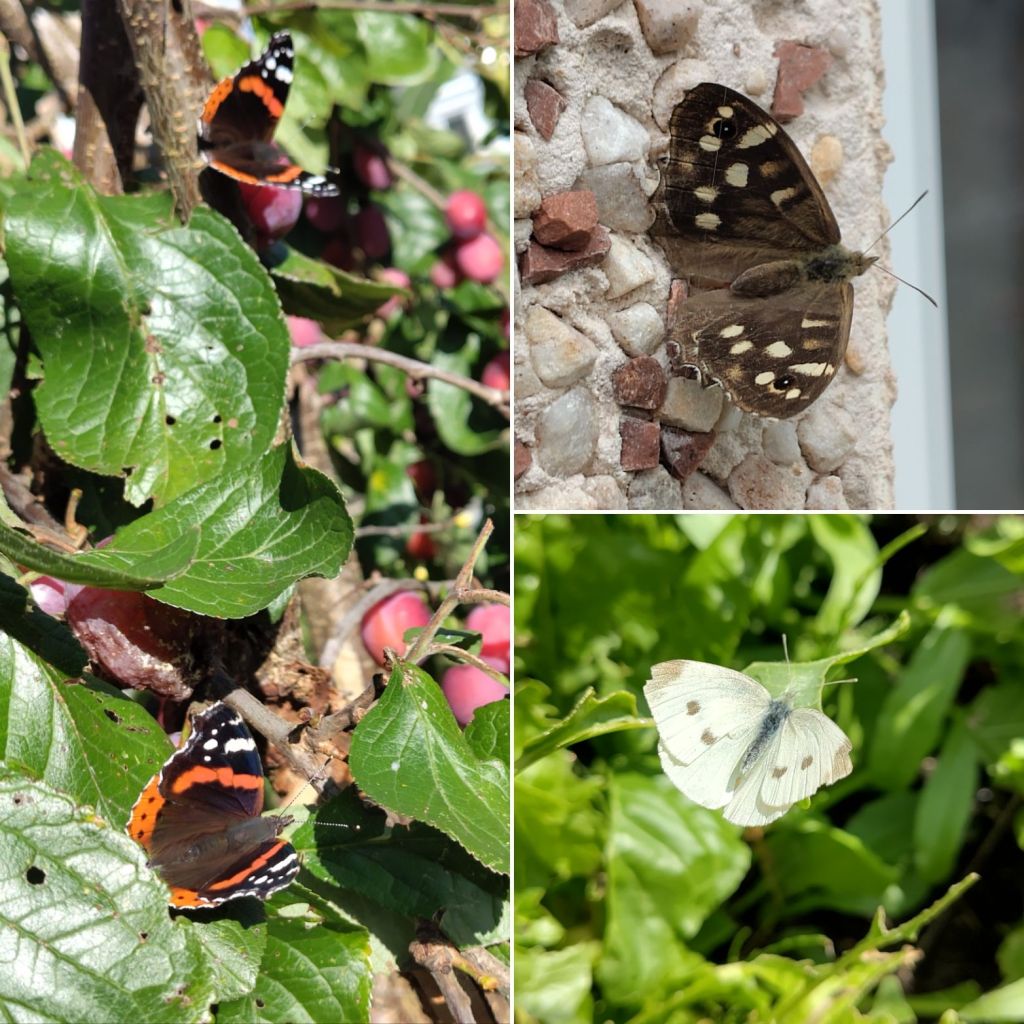
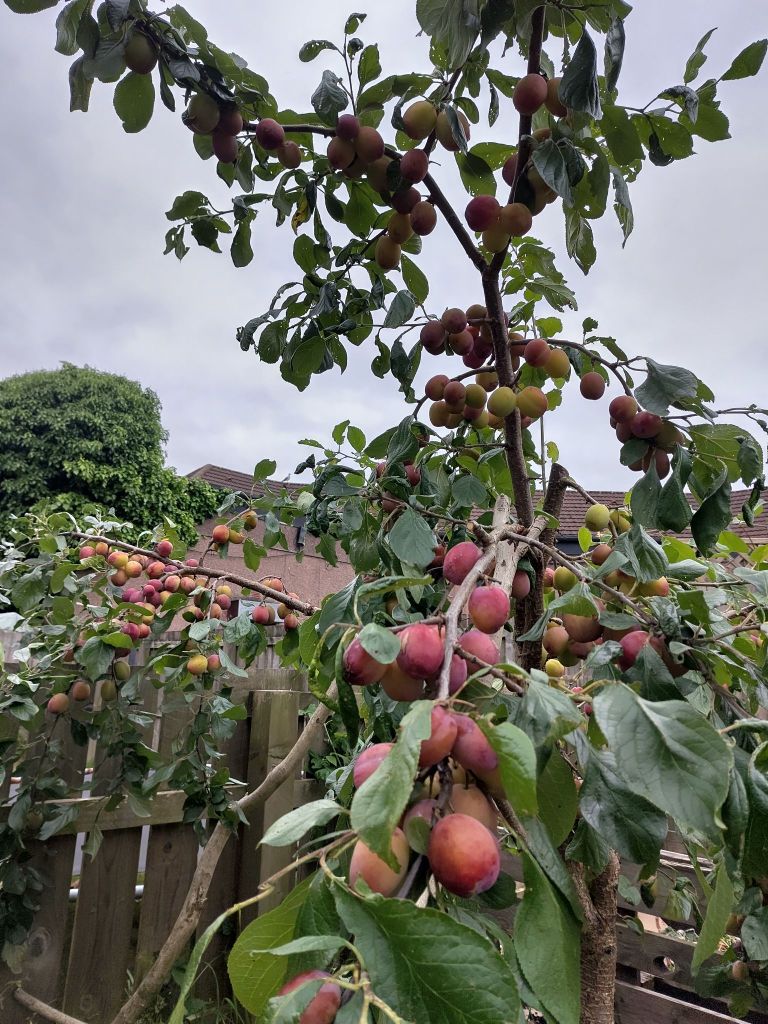
And finally, our Victoria plum deserves a mention here too. We planted our plum tree in 2021, and it has spent the last few years growing and sprawling. This spring it was covered in white blossom, which grew into so many plums that several branches snapped under the weight, and I’ve had to prune it quite harshly to try to save it from further damage. I’ve also had to remove lots of fruit that had developed a fungal disease, though we have still harvested enough to make cakes and give to our neighbours after the kids informed us they don’t like plums.
Our sprawling plum tree
We’ve spent so much time outside in the sunshine this summer, but it’s also been very busy and I’m hoping the next few months will be a bit slower and I’ll have time to start on some of our winter gardening projects. Have a lovely week! X
This is a big week for our family as our oldest daughter starts school tomorrow, and as the summer holidays draw to a close, I’m reminiscing about one of the highlights of the summer, our family holiday in July. This year we booked a caravan in St Andrews, which is not actually that far away from where we live, but further away than we’d take the kids for a day trip.
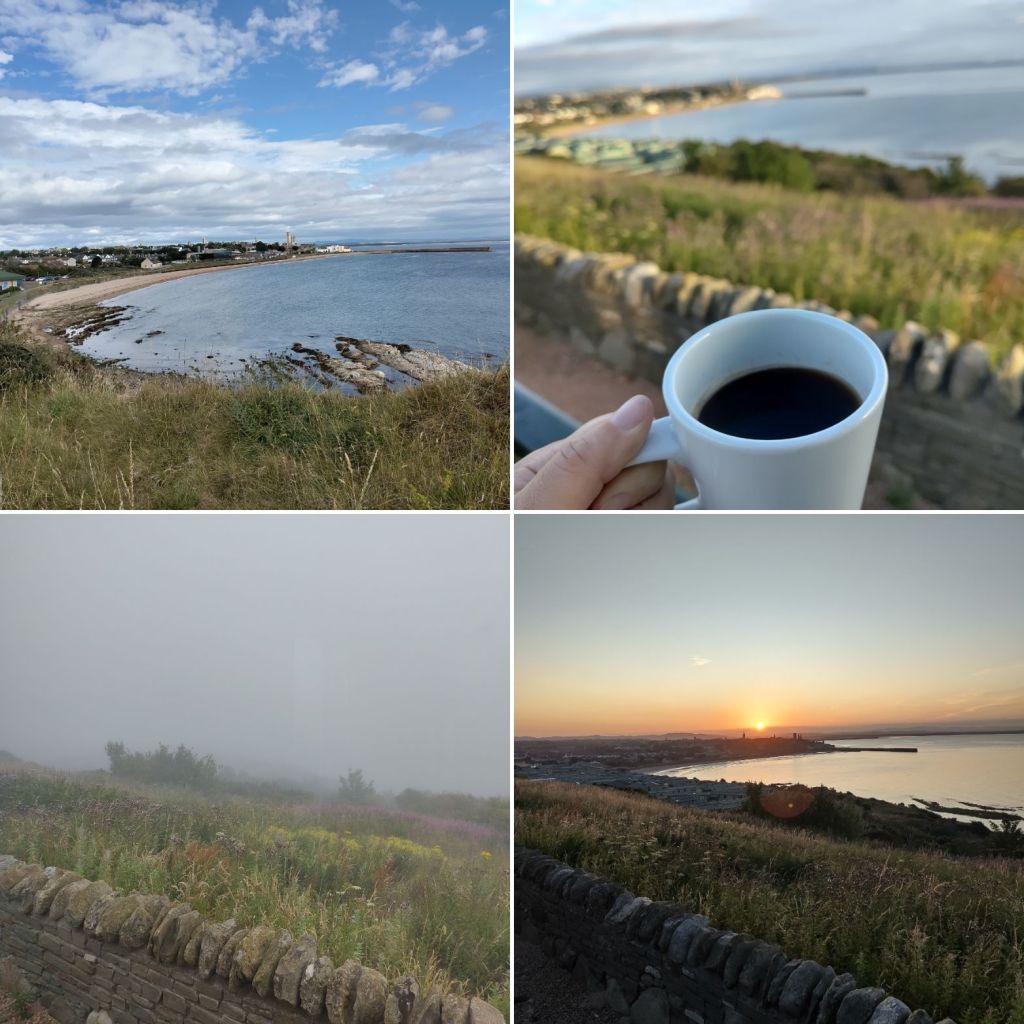
The caravan park we stayed at was beside the Fife Coastal Path meaning we were a short walk from East Sands beach. We had the most incredible view from the caravan, and I loved seeing the sun set over the iconic sites of the Cathedral and Castle ruins every evening, and the sun burning through the mist in the morning.
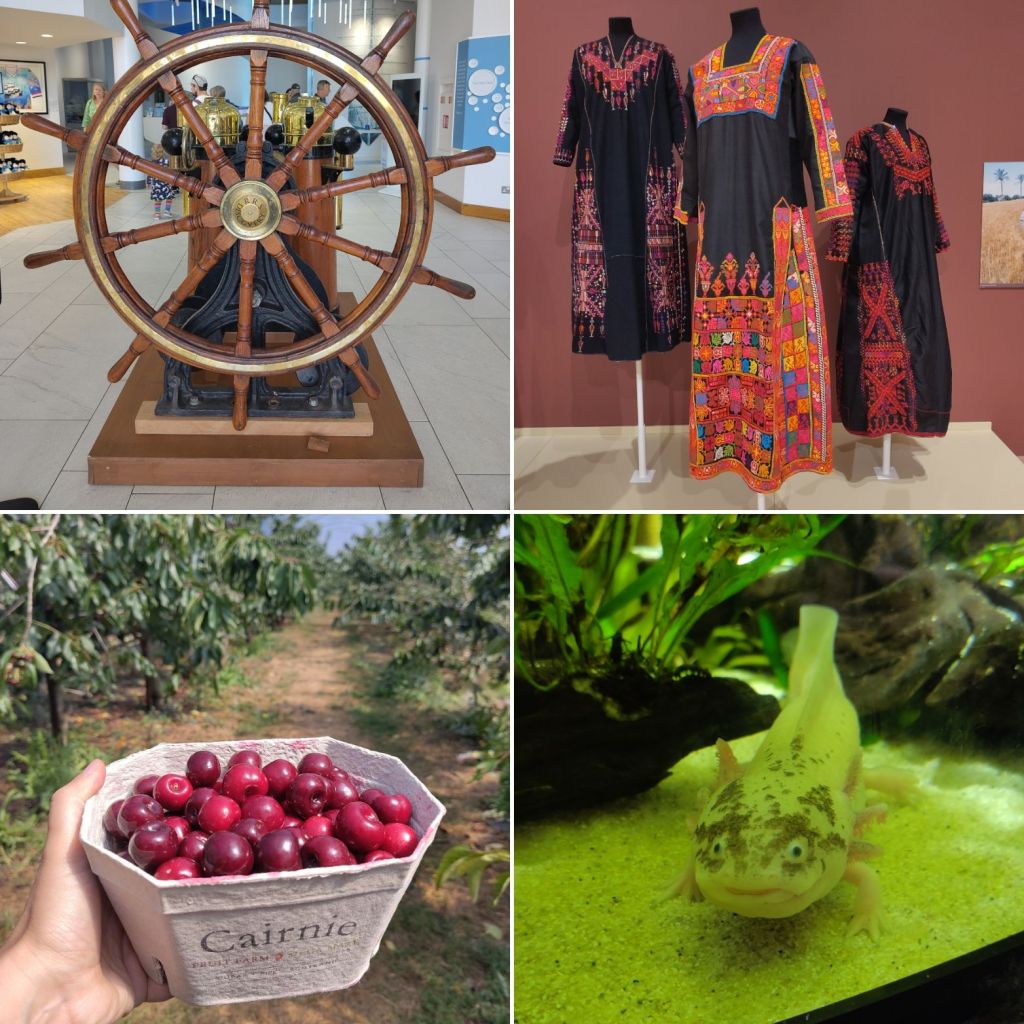
We spent a good bit of time exploring local sites and attraction from Craigtoun Country Park, which has lovely grounds to wander and adventure playparks but also a variety of paid activities from mini golf and go karts to tractor rides and mini train, and bouncy castles through the summer. We visited the Aquarium, which is small but packed full of interesting creatures including axolotl, meerkats and a colony of Humbolt penguins. We picked strawberries and cherries at Cairnie fruit farm, where the kids also enjoyed trampolines, sandpit, go-karts and slides.
We drove up to Dundee for a day trip to see the RSS Discovery museum and the V&A Dundee. We’d visited the Discovery once before and it’s absolutely fascinating learning about Scott and the brave explorers in the Antarctic, there were plenty of interactive parts for the kids too, though they were a bit less awed by it.
I wasn’t sure what to expect from the V&A Dundee as I’ve only ever seen photos of the exterior, but it exceeded all my expectations. There were stem puzzles, games and blocks for kids to play with at the entrance, plus dress up areas upstairs, and there’s also a free exhibition of Palestinian embroidery (Tatreez) running from June 2025 to Spring 2026 to celebrate the 45th Anniversary of Dundee twinning with Nablus in the West Bank.
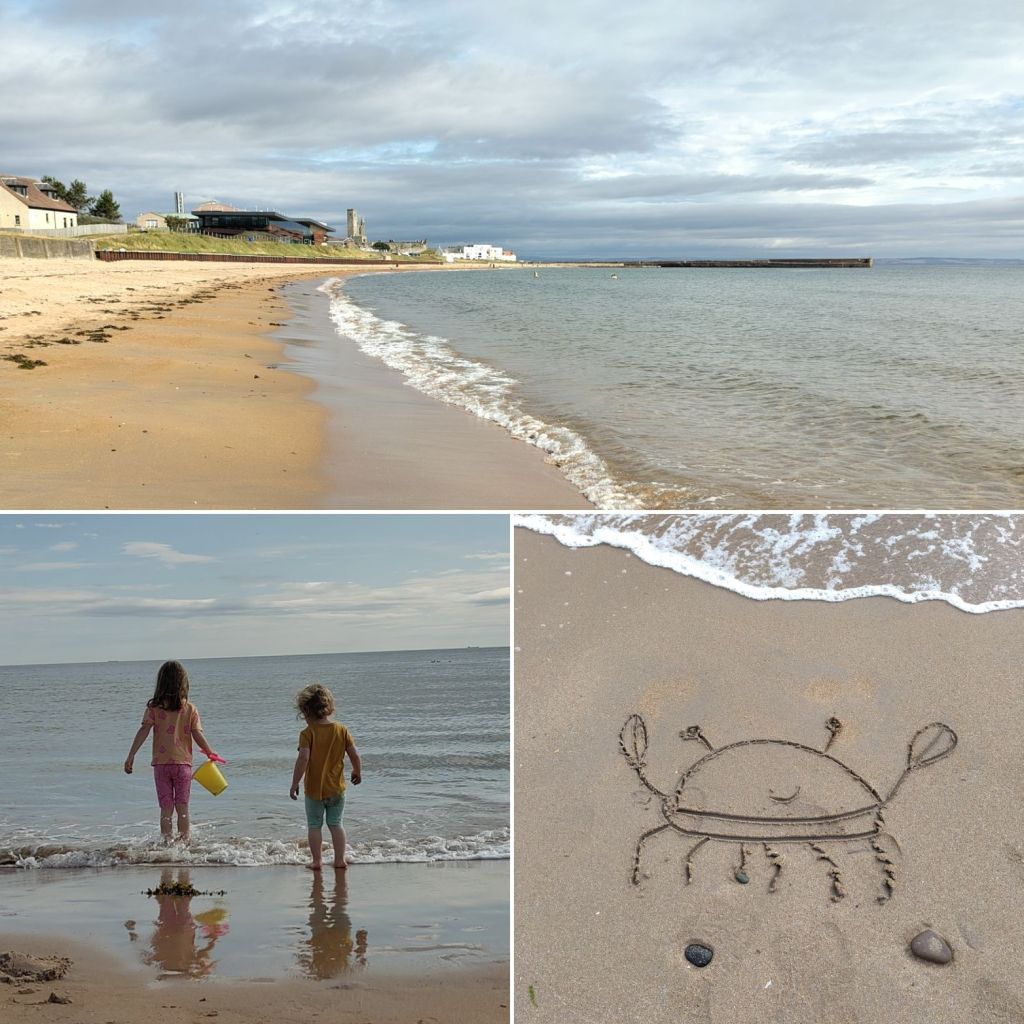
We spent a bit of time at the beach every day too, splashing in the waves, digging in the sand and building sandcastles. We also visited Jeanetta’s Gelateria almost every day for ice cream.
I don’t always feel we get the balance right between relaxation and activities, and as fun and exciting as our holidays are, it is always good to get home and settle back into our routines, but this was a really lovely break.
July was a hectic month with a lovely family holiday, work stress, car breakdowns and a funeral all sapping my time and attention, but it turned out to be a great month for reading.
Perfect Victims by Mohammed El-Kurd
Perfect Victims explores the idea that some lives are more valuable than others and that Palestinians must always prove their innocence when they are killed before anyone is willing to condemn the killing or killer. Even when Palestinians try to advocate for their rights, the entire legal system is rigged against them, and the Western media are biased when they automatically accept the Israeli press and government as more impartial and credible than Palestinian journalists, doctors, academics or civilians. This is a searing critique of western hypocrisy and racism, but a necessary one.
A Sky Beyond the Storm by Sabaa Tahir
I left it slightly too long between reading the third book (reviewed here) and the final part of the Ember in the Ashes quartet, but I was soon immersed back into this fantastical story of djinn, and a brave band of rebels lead by Laia, Elias and Helene standing up to a ruthless, authoritarian empire ruled by Elias’ mother, Keris, and the King of the Djinn determined to seek vengeance on the humans who imprisoned his kind. A Sky Beyond the Storm really tugged at the heart strings as the characters experience grief and loss in their desperate fight for freedom and this was a brilliant conclusion to the series.
The Wild Robot by Peter Brown
This was actually recommended by friends who had seen the film, and it was my holiday read. This is the story of a robot called Roz who finds herself shipwrecked on an island and learns to survive by watching the animals that also live on the island. This is such a sweet, poignant and sometimes tense read with so many themes that I love to read about like friendship, found families and community. The Wild Robot is the first book in a trilogy and I can’t wait to find out what happens next.
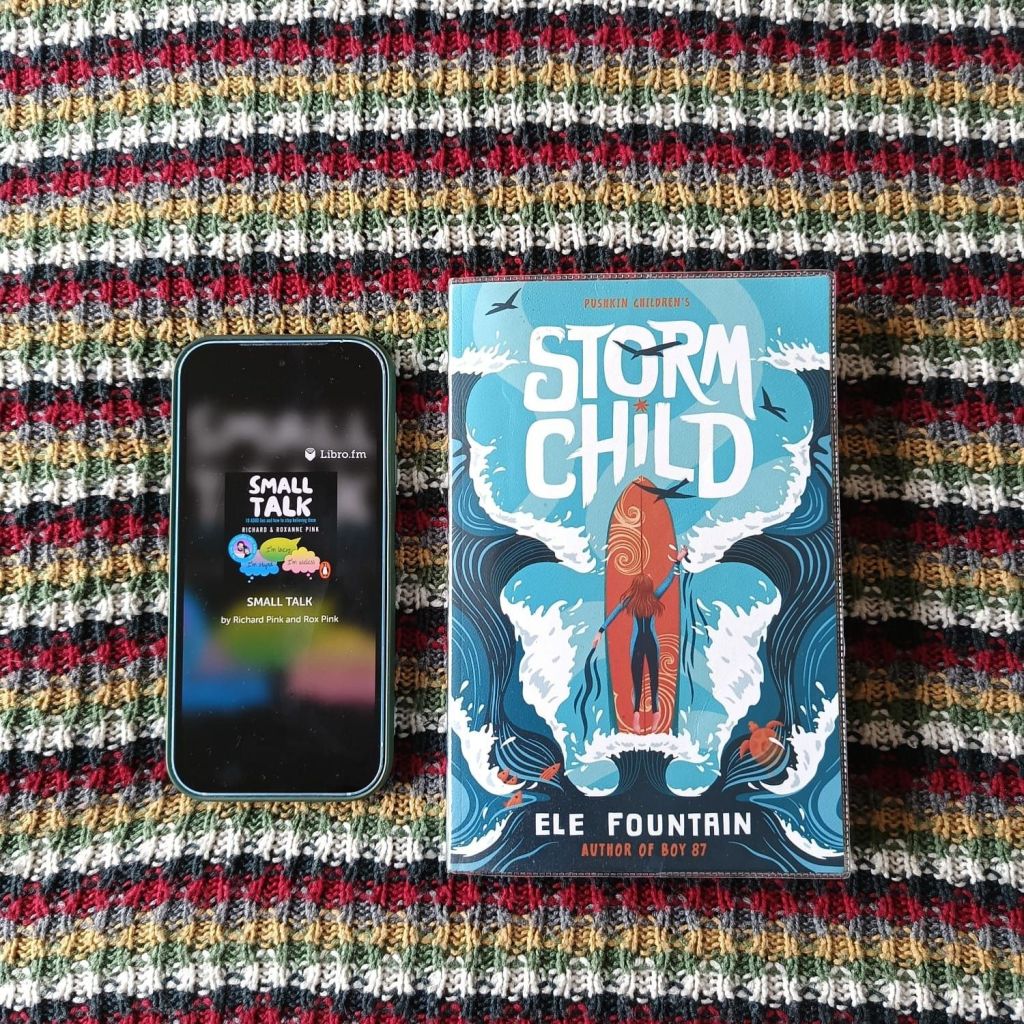
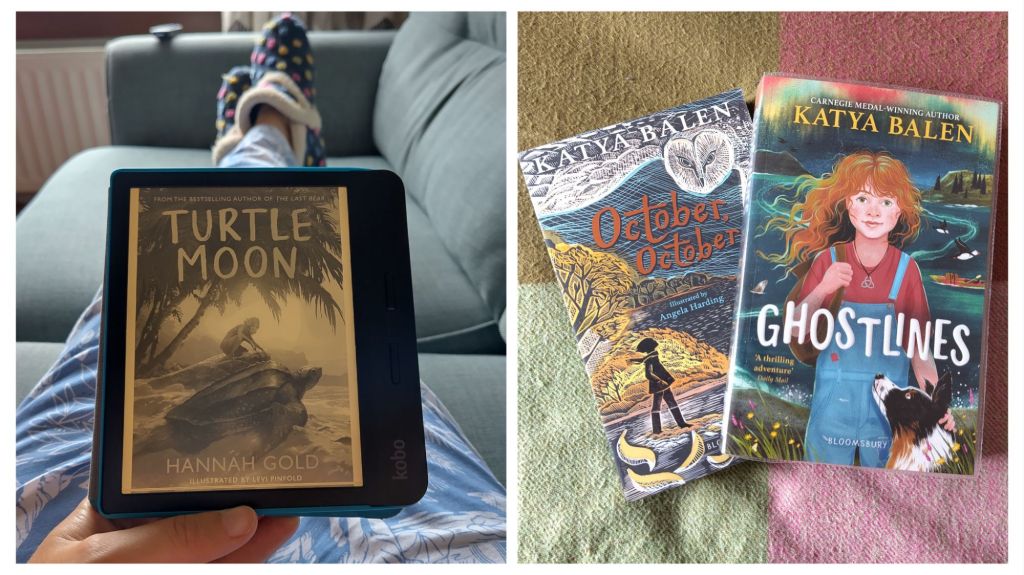
Turtle Moon by Hannah Gold
I’d enjoyed The Last Bear (reviewed here) and planned to read the sequel next until I saw Turtle Moon is on the longlist for the Wainwright’s Children’s Prize, which is my favourite literary award. Turtle Moon follows a little girl called Silver who’s parents are struggling with secondary infertility and decide to take their family to Costa Rica for a break. Silver gets involved with the local turtle sanctuary and this is such a wonderful adventure about turtles (and other animals like Speedy the baby sloth ❤️), poaching, conservation and family that I think I loved even more than The Last Bear.
ADHD Girls to Women by Lotta Borg Skogland
An absolutely fascinating book packed full of information about the gender bias in medicine, diagnostics, education and socialisation that means so many females are misdiagnosed or diagnosed with ADHD much later in life than males. This explores how adhd symptoms show up differently in females but also how our hormonal fluctuations can impact adhd throughout the life course from puberty to periods, pregnancy and menopause. I have often felt my ADHD is more of a disability than a superpower, and I have rarely felt so seen and less alone in my struggles and challenges than I did while reading this book.
Ghostlines by Katya Balen
Another longlist nominee for the Wainwright’s Children’s Fiction Prize. I read and loved October, October (reviewed here) by Katya Balen a while ago, and this felt like a spiritual sequel. Ghostlines is the gripping story of Tilda who lives on Ayrie Island, and parts of it reminded of childhood adventures with the Famous Five or Swallows and Amazons but threaded with the mystery of Tilda’s missing brother, a new friend and a secret island to explore. I just couldn’t put down this thrilling story of family, islands, ghosts, storms, friendship, cats, dogs and puffins.
Life has been really hectic lately, and I’ve really appreciated escaping into stories at the end of long, busy days.
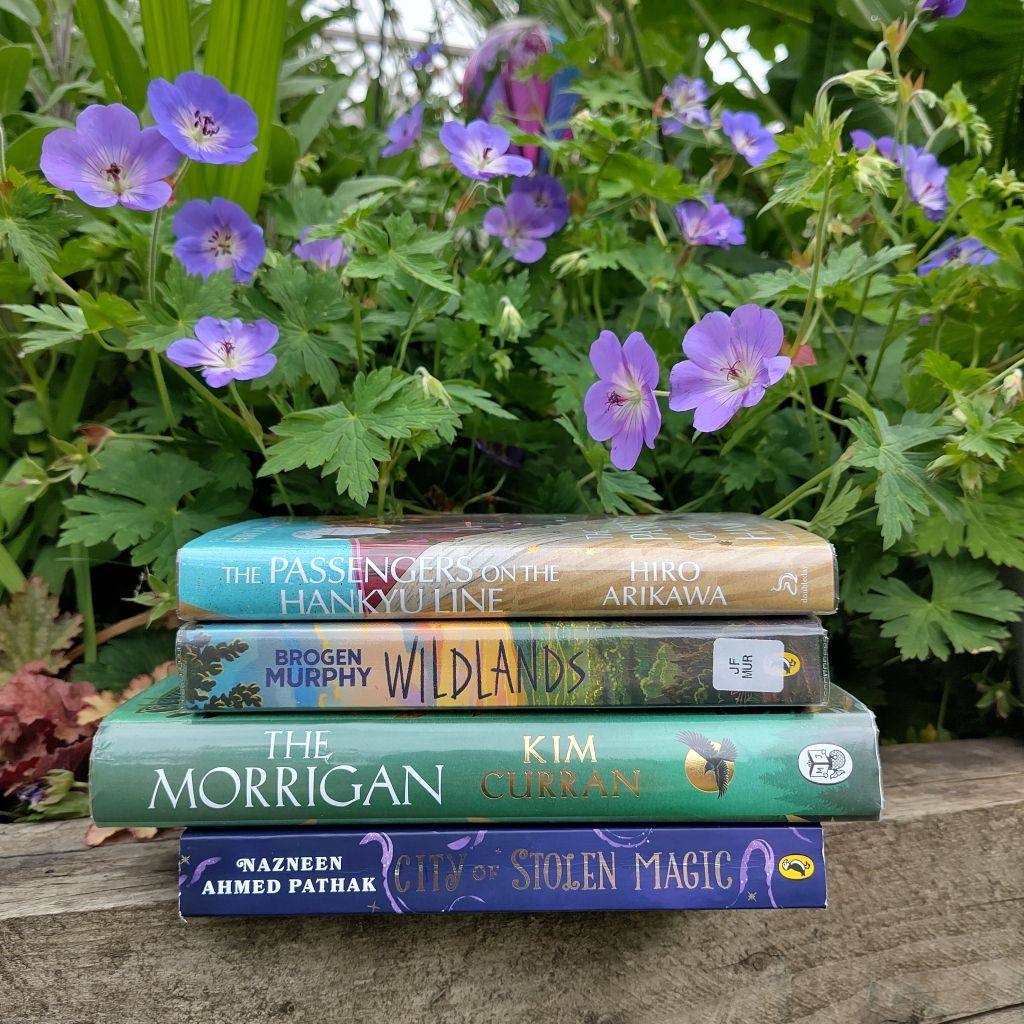
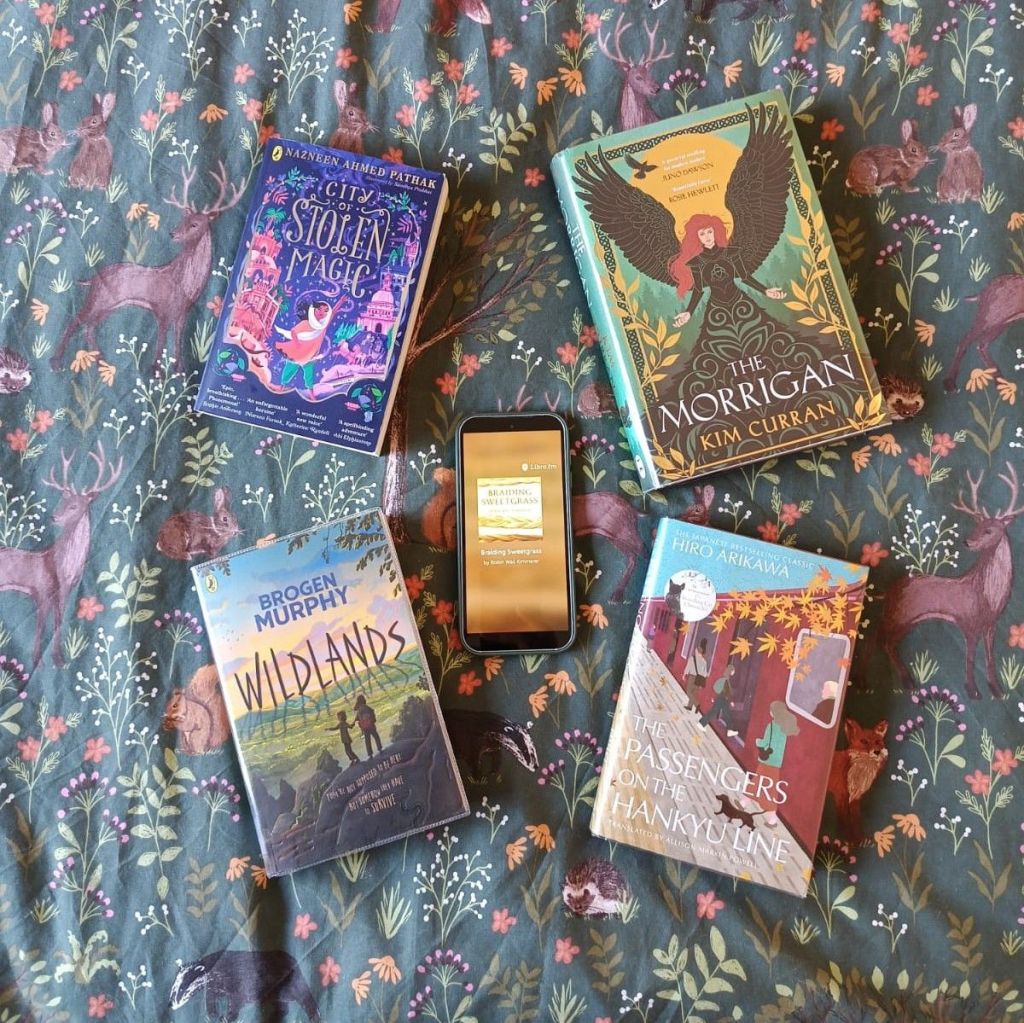
The City of Stolen Magic by Nazneen Ahmed Pathak
This is the story of a young girl, Chompa, who has powerful magic that she struggles to control. When Chompa’s mum is abducted by British colonizers, she must undertake a daring adventure to rescue her. I loved this historical fantasy adventure with fascinating contrasts between the locations in India and London. This also has some really interesting but age appropriate insights into racism, colonisation and exploitation, and I really enjoyed some of the ideas explored in this story, like great power comes at a price and rebels attempting to democratize magic. Really looking forward to seeing where the next installment takes brave Chompa and her loyal friends.
The Morrigan by Kim Curran
When I was about seven, my primary teacher read The Hounds of the Morrigan by Pat O’Shea to our class, it was my introduction to celtic mythology and fantasy, and I’ve been fascinated by both ever since. I found this in the library and couldn’t resist returning to find out more about the shapeshifting goddess of war. This retelling of Irish mythology starts with the arrival of the Tuatha De to Ireland and runs right through to the defeat of the warrior Cuchulain. I was gripped by this howling tale of female rage and revenge, love and loss, and it’s easily one of the most gripping books I’ve read this year.
Braiding Sweetgrass by Robin Wall Kimmerer
This series of essays by a botanist who also happens to be of indigenous descent has been on my radar for a while and it did not disappoint. There were parts of this book that were just so refreshing and comforting to read, like the ideas around gifts, reciprocity and symbiotic relationships in nature, and about the relationship between Earth and humans. Braiding Sweetgrass is quite a long book but such an interesting mix of topics like botany, nature, history, colonisation, indigenous culture, environmental issues and parenthood that I really enjoyed listening to over a couple of months.
Wildlands by Brogen Murphy
Set in 2050, this is about two children, Astrid and Indie, who accidentally fall out of a train running between Manchester and Glasgow and into a section of Britain that has been depopulated of humans and rewilded with beavers, bison, wolves, bears and lynx. The map at the start made me laugh out loud because the area that becomes the wildlands in the story is where I was born and grew up in the South West of Scotland. Wildlands is a tense and thrilling survival adventure as the sisters try to make their way out of the Wildlands to safety and considers whether humans can truly ever live in harmony with nature.
The Passengers on the Hankyu Line by Hiro Arikawa
A short slice of life novel by the writer of The Travelling Cat Chronicles (reviewed here) about the chance encounters of passengers travelling on the Hankyu Line train. The story follows how these seemingly random interactions end up changing the course of the characters’ lives from fledgling romances to break ups and new beginnings. This was such a sweet and gentle story that was so easy and pleasant to dip into at the end of a busy day.
Halfway through the year and halfway towards my target as I’ve read (and listened to) 25/50.
I was in a reading slump through April and May so combining my monthly wrapups.
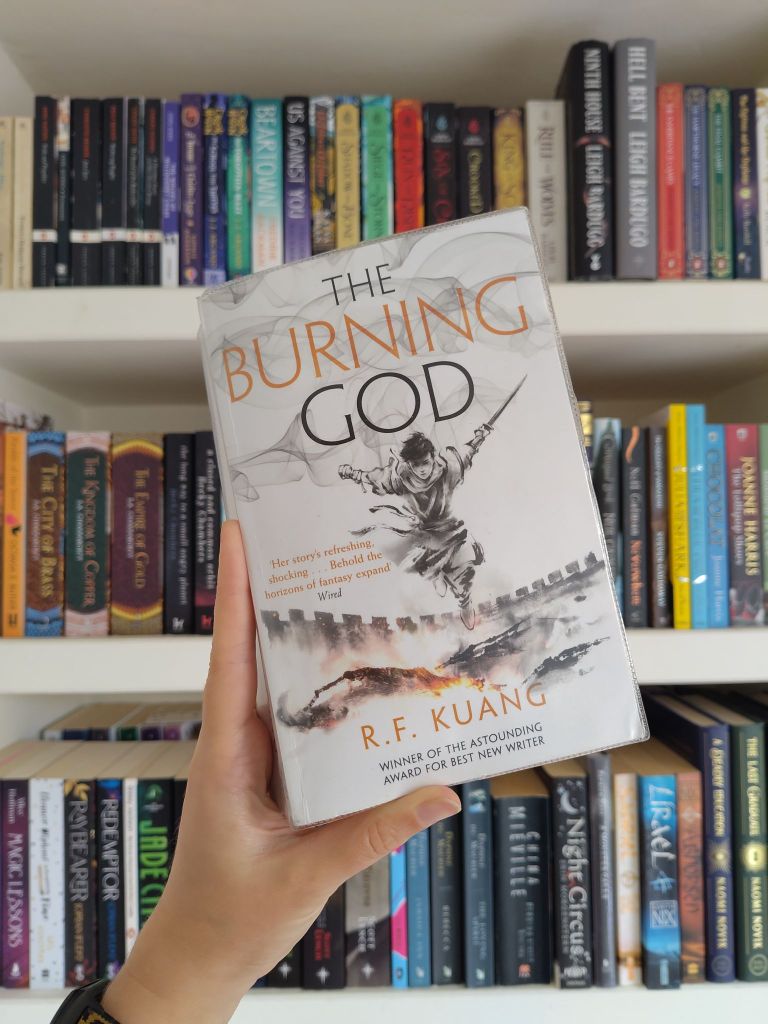
The Burning God by R. F. Kuang
I finally plucked up the nerve to read the final part of The Poppy War trilogy, and returned to this brilliant fantasy inspired by modern Chinese history. I normally avoid grimdark fantasy and this trilogy really captures the horror of war, colonialism and dehumanisation, but the protagonist, Rin is utterly fascinating, she’s ruthless, determined, pragmatic and ambitious, and I just had to know how it ended. The ending itself was foreshadowed from the first book and repeatedly through the final book, and yet I still wasn’t prepared for it, and it hit me like a sledgehammer. The Poppy War trilogy is easily one of the darkest but gripping and original fantasy trilogies I’ve ever read.
The Message by Ta-Nehisi Coates
The Message is a really compelling book about the duty of writers and journalists to inspire, inform and educate readers about white supremacy, colonialism and systems of oppression in the age of censorship, misinformation and propaganda. The book has attracted some criticism and controversy as Ta-Nehisi Coates uses his visits to Israel and occupied Palestine to demonstrate how a victim can become an oppressor, and described what he saw as apartheid and colonialism. He could arguably have used the conflicts in Sudan or the exploitation of people and resources in the Democratic Republic of Congo as examples, but he uses Israel and Palestine instead because he accepted the narrative that Israel was given to the Jewish people as reparations for the Holocaust without ever questioning it or using critical thinking, and he uses The Message to repudiate his own article ‘The Case for Reparations’ originally published in the Atlantic. I thoroughly enjoyed The Message, but I wanted more.
Boy Everywhere by A. M. Dasu
This is a middlegrade story that follows 13 year old Sami who is forced to flee his home in Damascus when the Syrian civil war reached the city. Boy Everywhere describes his family’s desperate journey from Syria to England as they attempt to find safety and start a new life. This was an extremely tense and sad story in places, but also one that reminds the reader to be kind to others because it’s so easy to judge people without knowing what they’ve been through. Boy Everywhere doesn’t shy away from describing the bombings and horrors the family fled, the risks of the journey from crossing the mediterranean sea to being squashed into a van with other refugees and asylum seekers, the dehumanisation and bureaucracy at the detention centre, and the prejudice that migrants face when they finally reach the UK. This was such a poignant, gripping and hopeful story.
How Beautiful We Were by Imbolo Mbue
Set in a fictional African village, this tells the story of the villagers whose land, water and children are poisoned by a nearby oil refinery. Frustrated by the broken promises of clean up and financial compensation from the American oil company and the indifference of their corrupt government and violent dictator, the story follows what happens when the villagers finally start fighting back. This story covers some heavy topics such as slavery, colonialism and environmental destruction, but also balanced by family, community, education and survival.
Parable of the Talents by Octavia E. Butler
Parable of the Sower was one of my favourite reads last year, and I didn’t want to wait too long before picking up the sequel to find out how the Earth Seed duology ends. Set in the very near future where climate breakdown has caused societal collapse across America, this book feels eerily prescient in places as Octavia E. Butler predicts the rise of militant Christian evangelicals and a President who promises to “Make America Great Again”. Meanwhile the protagonist, Lauren Olamina, is still trying to build her own religion ‘Earth Seed’ and secure the future of humanity by colonising space, but this is very much dystopian fiction rather than science fiction. This story does have some pretty dark moments and I would definitely check the content warnings before reading, but I really appreciated themes of education, community and resilience that also run through this story.
A whole season seems to have passed since I last found time to update my old blog. Spring has been exceptionally sunny and warm this year, and we’ve spent so much time outside.
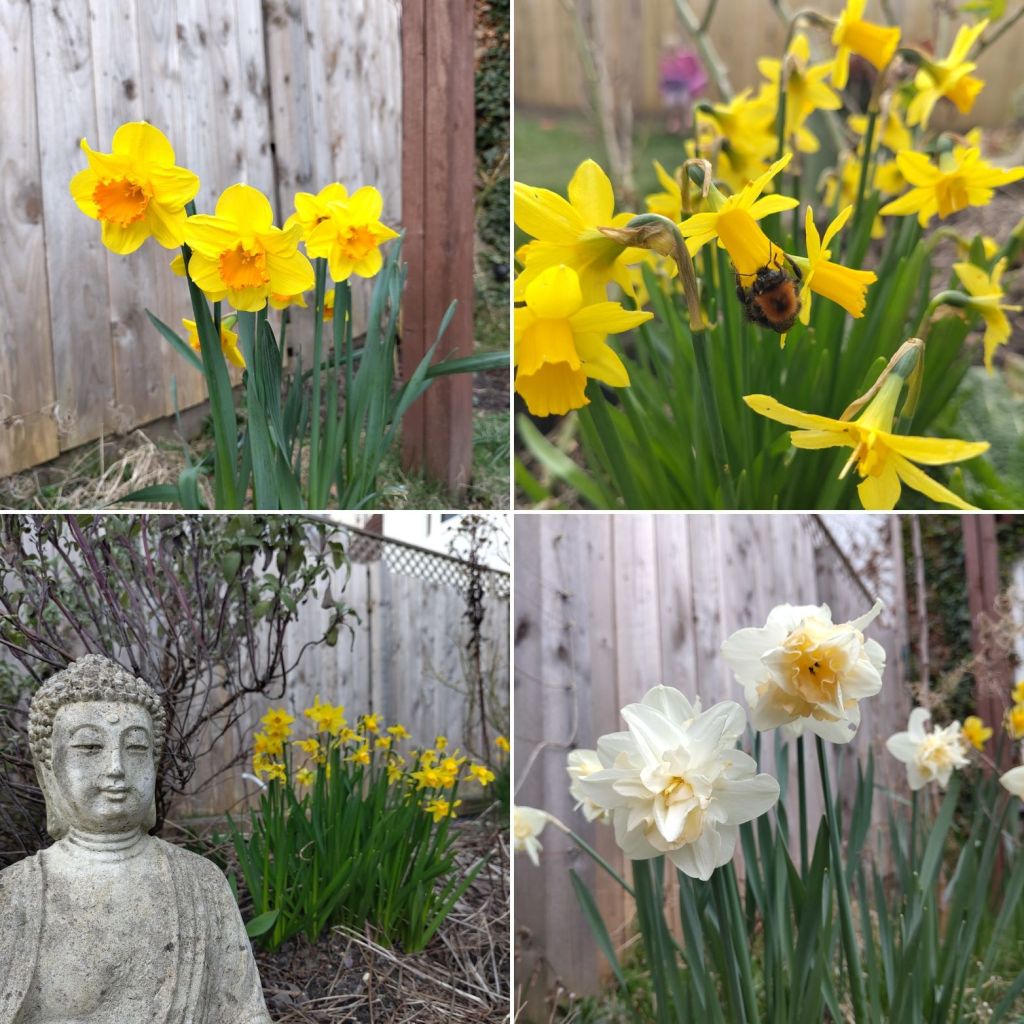
I’ve been delighted to see the first bumble bees in the garden, the first peacock butterfly, hoverflies, blossom on the apple and plum trees, and daffodils bringing the first colour to our garden after winter months of dreary grey skies and brown earth.
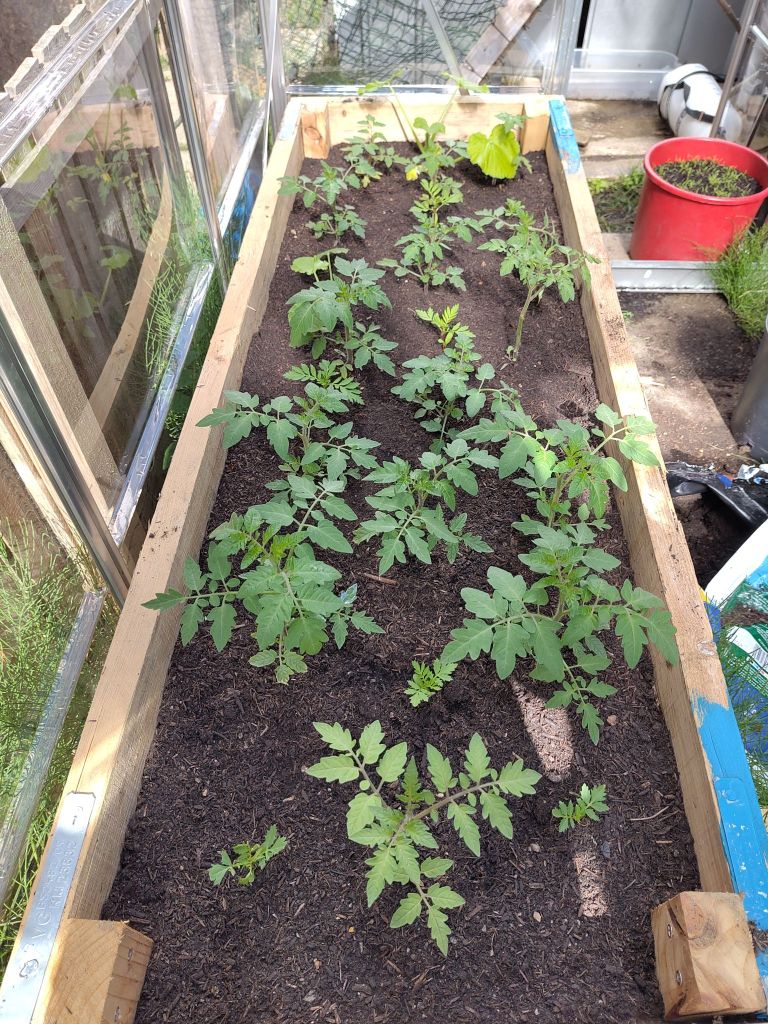
I sowed the first tomato seeds at the start of March, and the seedlings have now been planted in a raised bed my husband built inside our new polycarbonate greenhouse. We said farewell to our old glass greenhouse after Storm Eowyn smashed several panes of glass, putting it back on Gumtree where we found it a few years back and gave it free to a couple who will hopefully appreciate it as much as we did.
Tomato and courgette plants in the greenhouse
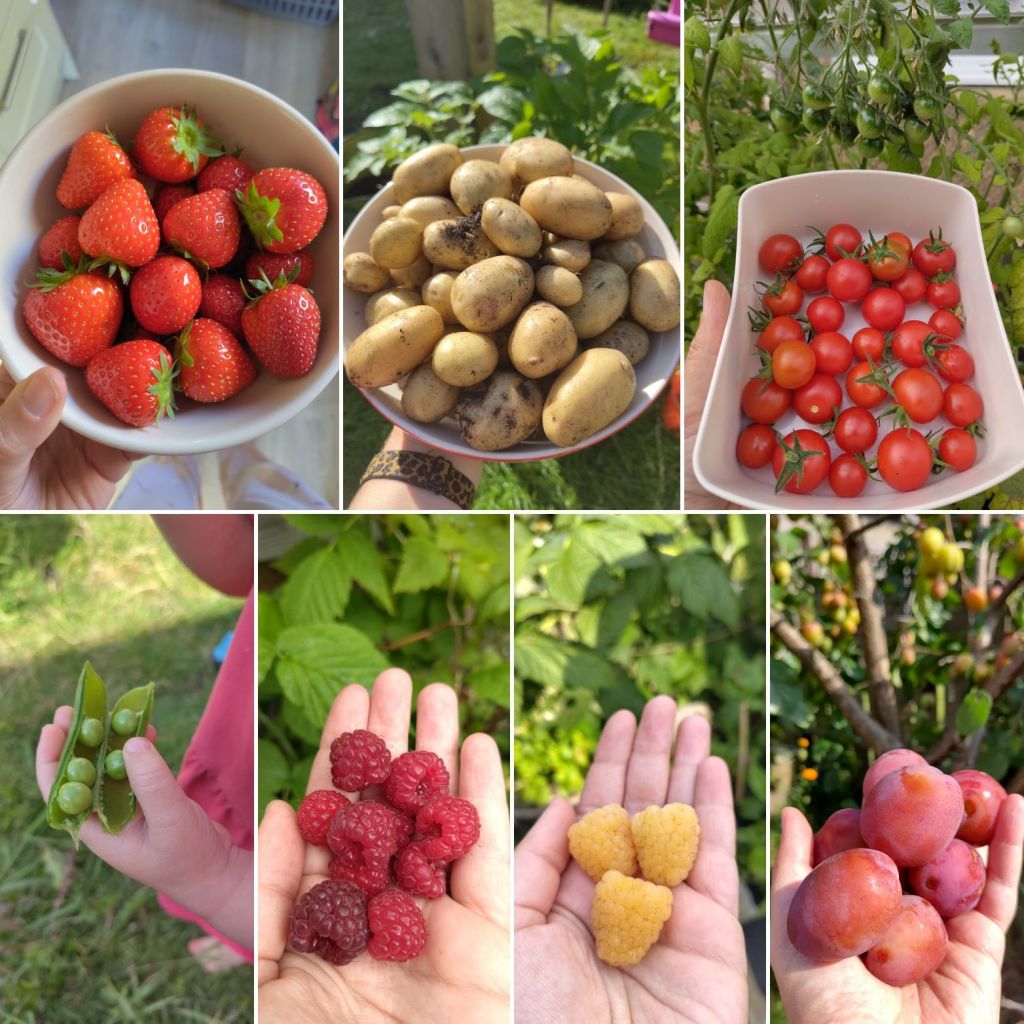
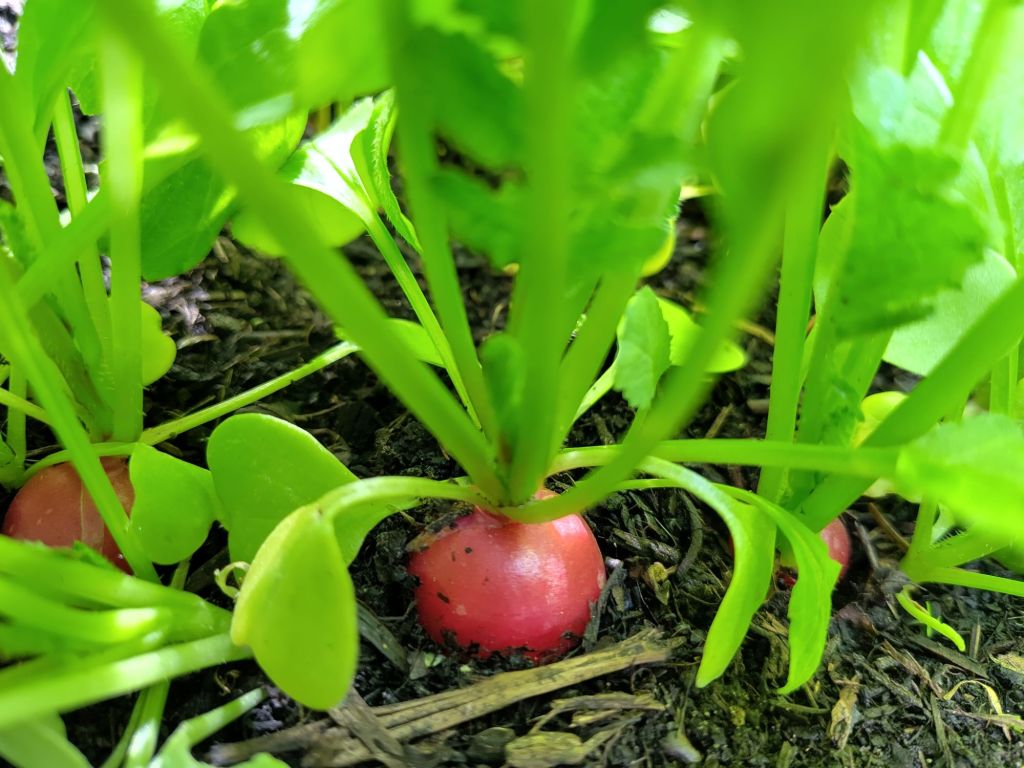
In the raised beds outside, we have peas, spinach, radish, lettuce, beetroot and carrots sprouting. My husband is also growing potatoes in sacks. Inside our home, the windowsills are full of sunflower, nasturtium and courgette seedlings not quite ready to go out yet.
The kids have been out on the swings and slide or making pine cone soup or washing shells at their mud kitchen, or riding scooters and bikes around our quiet cul-de-sac almost every day. I’ve loved spending so much time in the outside, especially in our own wee garden as it is such a restorative place and I always feel better for an hour or two pottering around or just watching the wildlife. Our little garden is such an antidote to all the gloomy headlines in the news.
Last weekend, the rain brought an end to the prolonged stretch of sunny weather, bringing much needed water to all the plants in our garden, and to our rivers and reservoirs further afield.
I had great plans for #middlegrademarch but I experienced my first reading slump and it ended up being a slower month than expected.
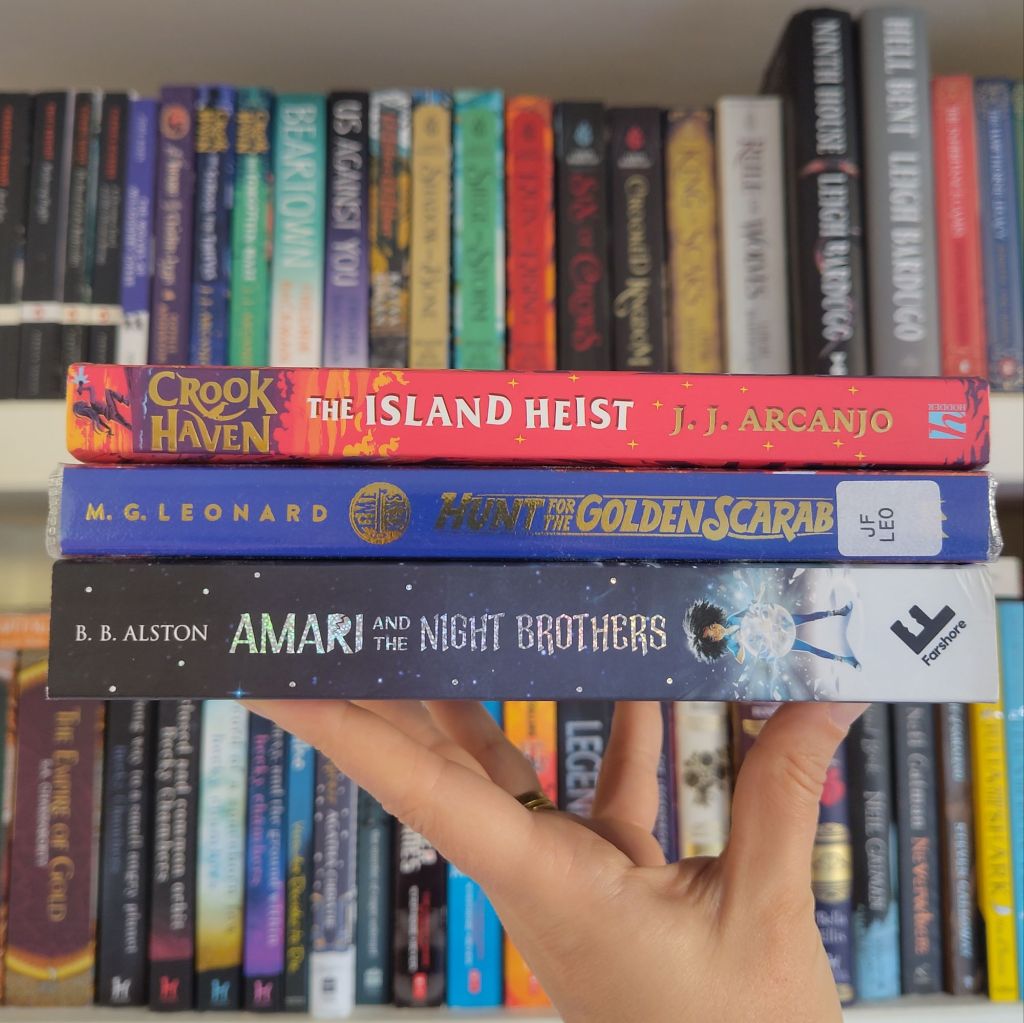
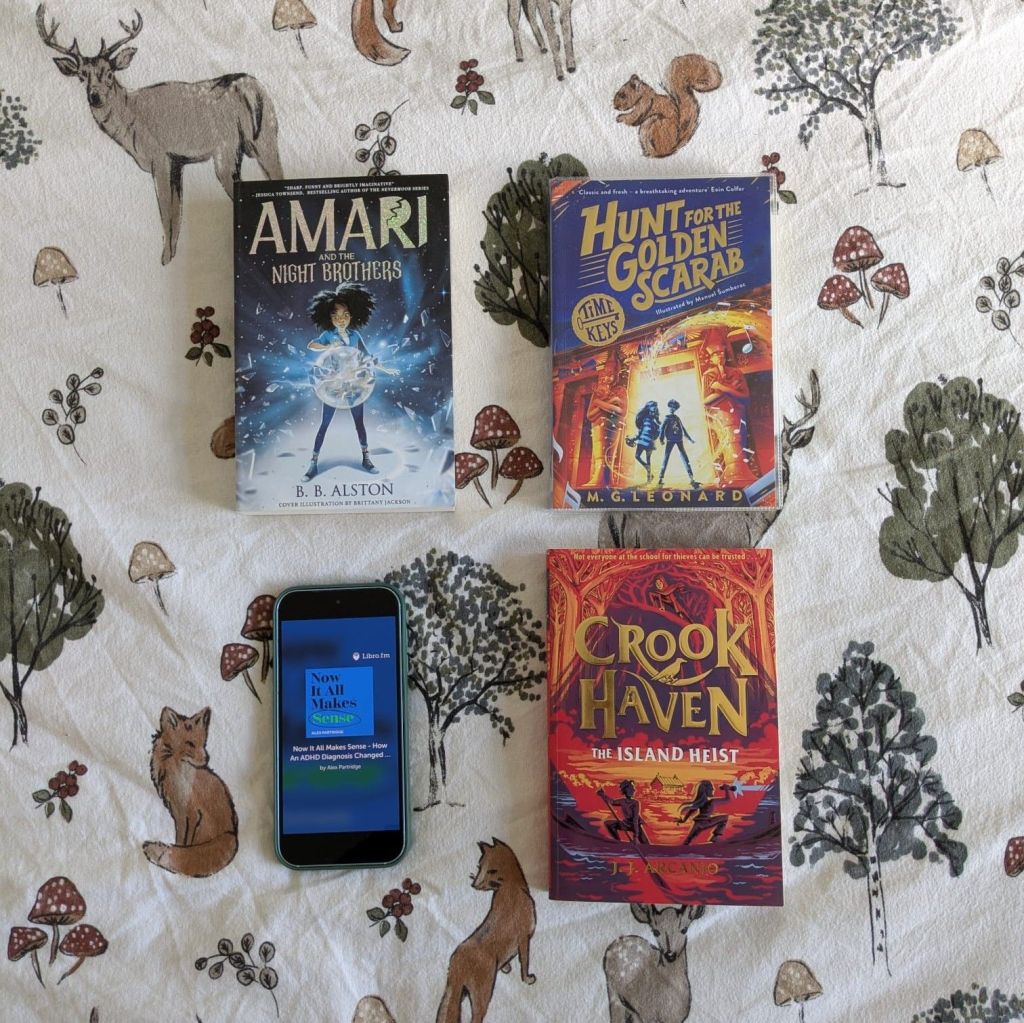
Amari and The Night Brothers by B. B. Alston
This is a fantastic middlegrade novel about Amari Peters, a young black girl, investigating the mysterious disappearance of her older brother. Amari’s investigations lead her to the Board of Supernatural Affairs, a clandestine boarding school and ministry for supernatural creatures and people with supernatural powers, where she discovers that she possesses powers beyond her wildest imaginings. This was such a gripping and fun read that really felt like a much more modern and inclusive Harry Potter, that explores race and prejudice, and I was rooting for Amari the whole way. This is the first part in a trilogy and I’m really looking forward to seeing where Amari’s adventures and investigations take her next.
The Hunt for the Golden Scarab by M. G. Leonard
I’d enjoyed Ice Children by M.G Leonard last year, and spotted this at my library after seeing it all over instagram. The Hunt for the Golden Scarab is the first book in the Time Keys duology following Sim, his enigmatic mother and his cousin, Jeopardy, who discover they can use music to open doors to the past and embark on an adventure to stop a rival faction of time travellers from acquiring a valuable and powerful artefact from the Egyptian Pharoahs. I found there was quite a bit of exposition describing how music can facilitate time travel, but this was a really fun adventure.
Crookhaven: The Island Heist by J. J. Arcanjo
The Crookhaven series have quickly become one of my favourite comfort reads combining daring heists with found family and friendship. Crookhaven is such a unique series, offering a fresh twist on the boarding school setting of so many children’s books, switching classes in art, P.E and computing classes for forgery, criminastics and hacking. I also really appreciate that in an ocean of ‘chosen one’ stories, this series promotes friendship and teamwork as the group of exceptional young thieves, hackers, athletes and forgers combine their skills to thwart their enemies and undertake heists.
Now It All Makes Sense by Alex Partridge
Alex Partridge was already a successful entrepreneur when he discovered that he had ADHD and has subsequently started a successful podcast interviewing various celebrities with ADHD and psychiatrists and psychologists who specialise in ADHD, and I found this book to be compassionate, relatable and humorous. My only gripe is that there’s two chapters on romantic relationships and I would have liked one on maintaining friendships as well as this is an area where I struggle, and there’s quite a lot of advice for those seeking to become entrepreneurs, which may work for some people, but is not a realistic option for everyone. There’s a good mix of personal experiences, research and practical advice in here, but I will always vehemently disagree with Alex about using the dishwasher as an extra cupboard!
March has flown by and just finding some time to share a post about a little weekend away we had.
Our previous two summer holidays were in East Lothian but we decided to travel a little bit further down the East Coast and cross the English border into Northumbria on this trip.
It was the longest journey we’ve taken with the kids in the car, and we decided to break up the journey by stopping off at East Links Farm Park for lunch. We’d visited East Links on our summer holiday last year, but now that our youngest is bigger and more mobile it was even more fun. We had a great time riding on the little train that circles around the farm with sheep and lamas coming up to say hello, racing around on go karts, exploring the fort and tumbling around in the soft-play barn. Then it was back into the car for the last leg of our journey.
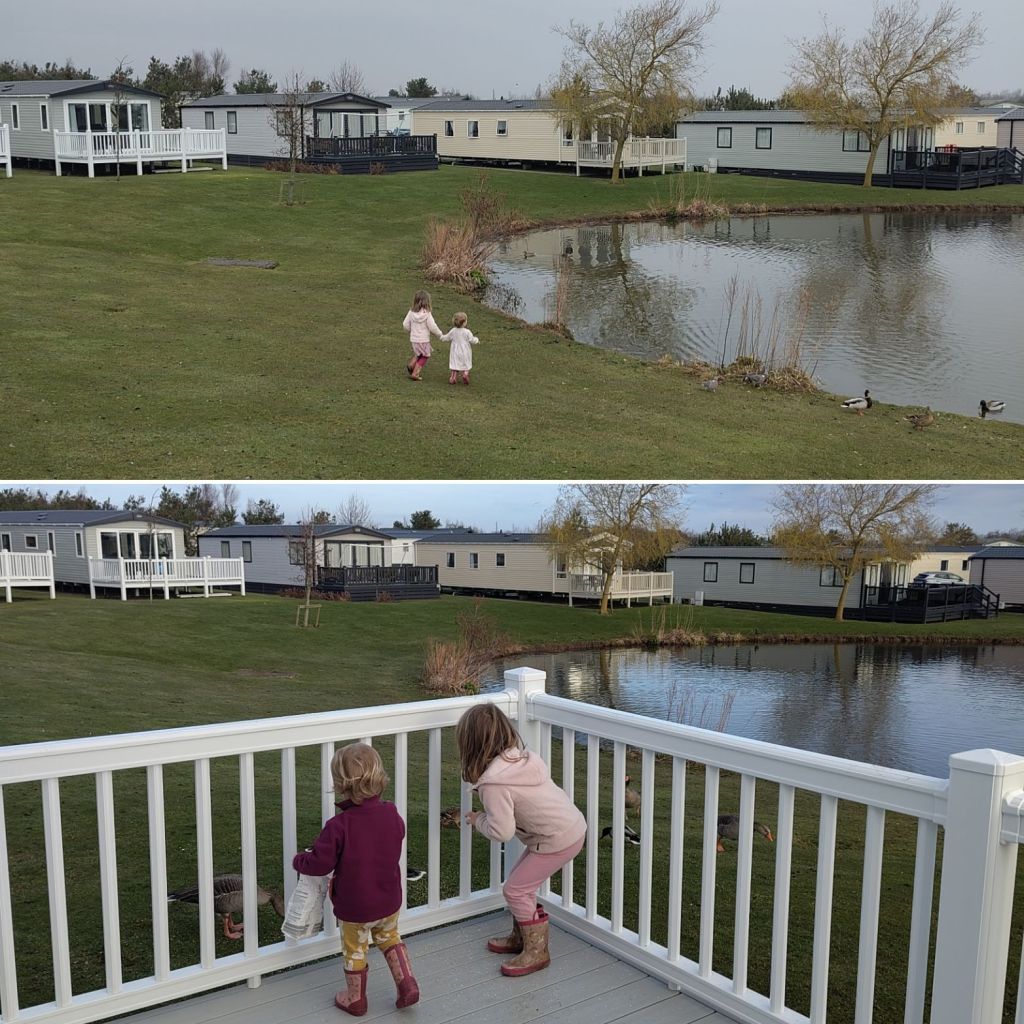
We stayed in a caravan park, on the edge of a little lake that had swans, ducks, coots, and geese waddling by our decking to our daughters’ delight.
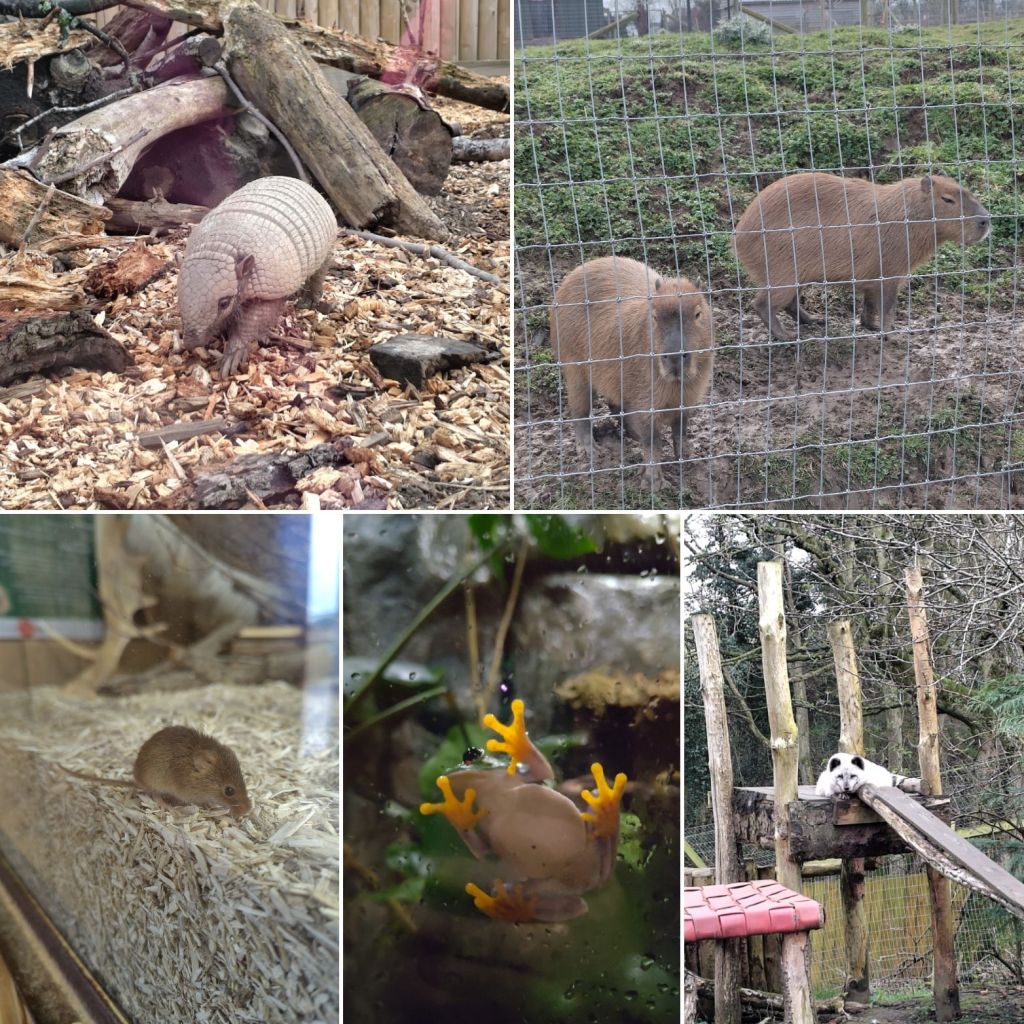
It’s still early spring, and the weather did dictate our activities a bit, but still managed to find plenty to do. One of the highlights of the trip was a visit to Northumberland Zoo, a small family run zoo, where the capybaras, armadillos, Arctic fox and tiny harvest mice were the unexpected stars of the show.
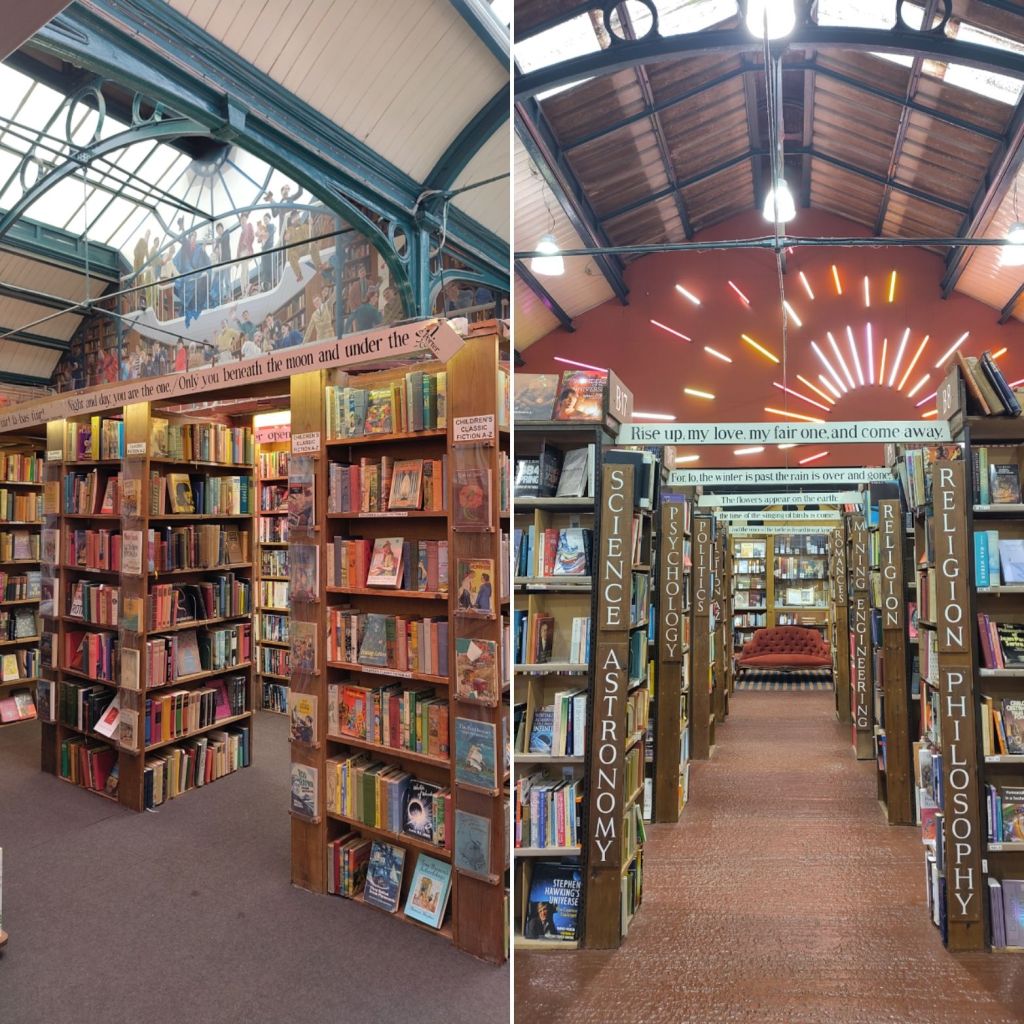
I also couldn’t resist a visit to Barter Books, somewhere I’ve wanted to visit for ages, which is a huge second hand bookshop built in Alnwick’s old Victorian railway station, where we all found a book.
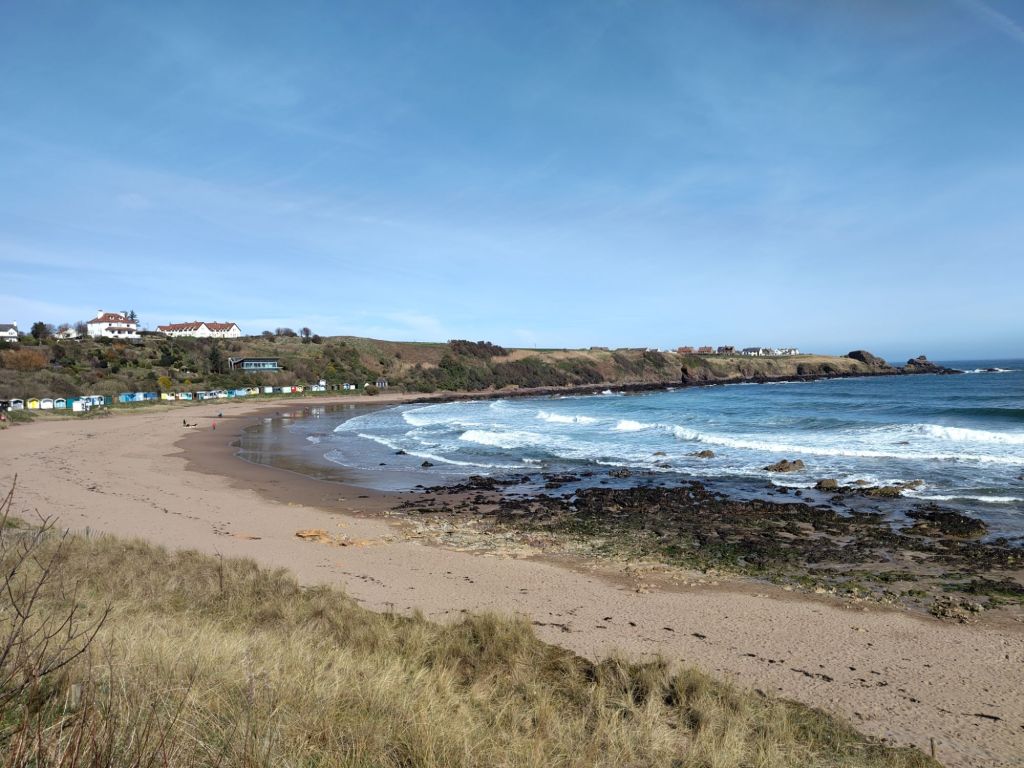
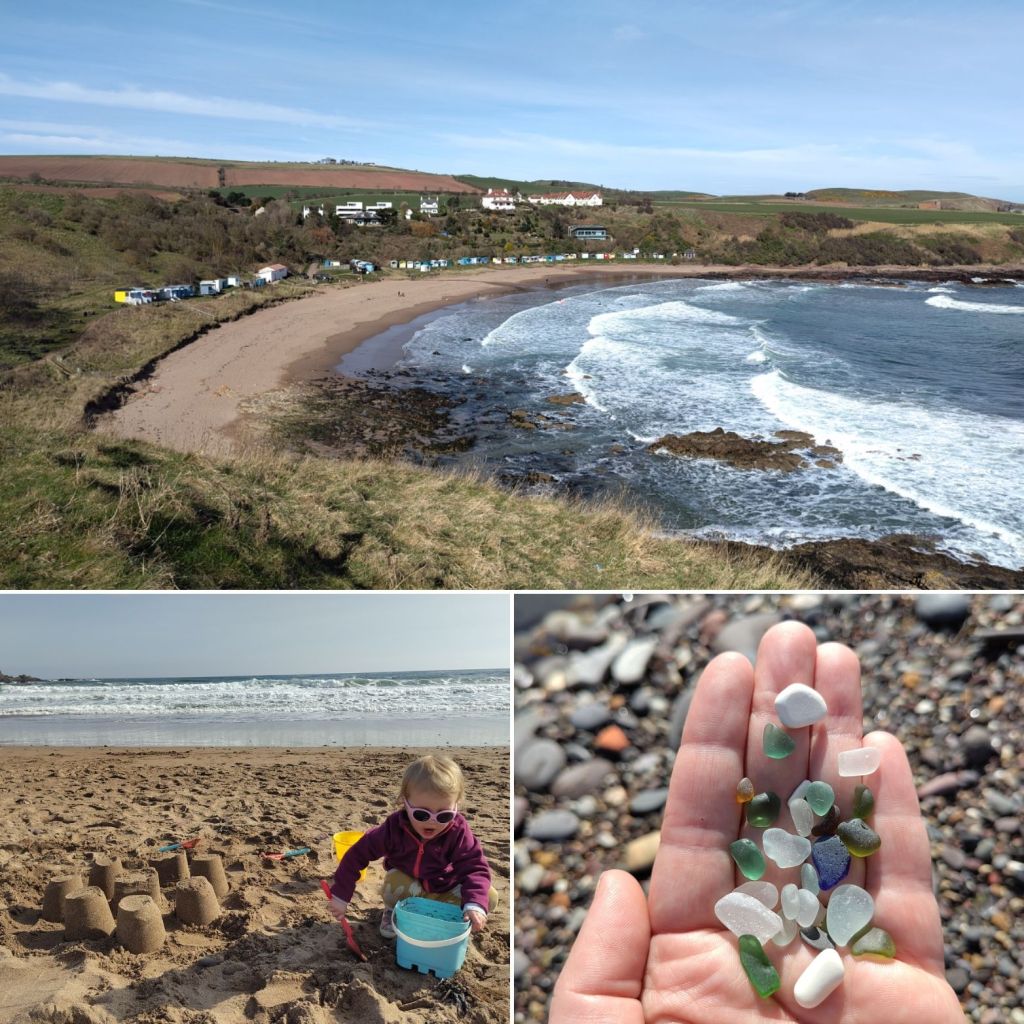
As is often the case with UK holidays, the sunniest day was on our way home so we decided to take advantage of it to visit one of our favourite beaches, Coldingham Bay in the Borders. My husband and our oldest daughter went searching for critters in rock pools, while I built sand castles with our youngest, before we regrouped to climb Homeli Knoll and collect sea glass on the rocky beach on the other side.
Our holidays are always fun, but never the relaxing or peaceful break we imagine with two little rascals pulling us in all directions. After our travels, there’s something really comforting about returning home and settling back into our familiar routines, but we’re already thinking about our summer holiday.
Life lately has been hectic but still very much enjoying escaping into a book at the end of a busy day.
Spinning Silver by Naomi Novik
I started reading this back in December 2023 and finally finished it in February 2025. I adored the Scholomance trilogy but I’ve been underwhelmed by Naomi Novik’s other works, and came very close to giving up on this because it was so slow paced and the story is narrated by too many characters. Spinning Silver is an intriguing story about a Jewish money lender who can turn silver to gold and a Duke’s plain daughter, a winter king and a fire demon, peasants and a Tsar, and how we are all pawns in someone else’s games.
The Winners by Fredrik Backman
The final part of the Beartown trilogy really brings the story full circle with a parallel to another family from the same town dealing with a similar tragedy to the first book. This had a slow start, and is full of parallels, but I loved catching up with characters from the first two books and getting to know some new characters too. As ever small town politics, family relationships and community are at the centre of this story about ice hockey. This is such a bittersweet ending to the trilogy (an ending foreshadowed right from the start of Beartown) with a little bit of romance, conflict and rivalry, grief, bravery and heroism.
A Haunting in the Arctic by C. J. Cooke
An eerie and atmospheric story that follows the daughter of a whaling ship owner travelling through the Arctic in 1901 and an explorer who visits the shipwreck beached in Iceland in 2023. There’s a twist at the end, but the ending itself seemed rushed and anti-climatic as having been pitched as a tale of trauma and revenge, it switches to one of healing, which while worthy felt a bit dissatisfying. Nevertheless, this was gripping, atmospheric and haunting.
We Are Not Here to be Bystanders by Linda Larsour
A thoroughly engaging memoir of a Muslim Palestinian-American Community organiser. This describes the formative personal experiences and socio-political context that shaped Linda Larsour from growing up in multicultural Brooklyn and spending summers visiting her family in the West Bank, to being Muslim in America after 9/11, racial profiling of Arab, black and Latinx men, and police brutality. A fascinating insight into the immigrant/ethnic minority experience in the USA, including accessing heath care and education, motherhood, racism, and building community. This was on par with Michelle Obama’s Becoming, and as someone feeling a bit burned out after a decade in social care, I really appreciated the reminder about how much can be achieved at a local level, and how to build resilience and community.
Sweet Bean Paste by Durian Sukegawa
A short but poignant Japanese story of a pancake chef trying to pay off a debt who meets an old woman who makes the best sweet bean paste filling he’s ever tasted. This is a story about the intrinsic value of life, and about second chances, lost chances and last chances.
Life has felt fairly hectic lately and I’ve felt out of sync with the natural world that is only just starting to emerge from hibernation. A little bit of light has crept into our mornings and evenings, and snowdrops and crocuses have pushed up through the ground bringing some much needed colour to these dreary, grey winter days.
Over the last few weeks, my husband and I’ve been trying to get fitter, he recently invested in an exercise bike so we’ve both enjoyed cycling virtually through downtown Tokyo and Kyoto (where we spent our honeymoon almost a decade ago), and we’ve been doing yoga together most evenings before bed. I’ve joined a weekly fitness class at our local gym, which has been a fun way to increase my activity. It’s been tricky finding time to exercise between work and parenting, but we want to get a bit fitter if only to keep up with our two young, energetic daughters.
I’ve struggled a bit with the winter blues but I’m finding such comfort in little glimmers like building elaborate train tracks and magnetic tile towns on the living room floor with the girls or family games of pop up pirate, hungry hippos, dobble and bingo, lots of messy kinetic sand and play dough fun too. This month there have been parties for our oldest daughter’s fifth birthday, and my mother in law’s too. My husband has also gone full-time self employed for the first time, we’re still adjusting to the new rhythm of his work but will hopefully be less stressful and more flexible than his previous role.
We’ve been getting on with little jobs in the garden too, mostly tidying up but also planting a silver birch and pear tree. Winter hasn’t quite surrendered to Spring here yet, it’s still pretty cold, dark, wet and wild, but the first little daffodils in our border have flowered. Have a lovely week. X
You must be logged in to post a comment.