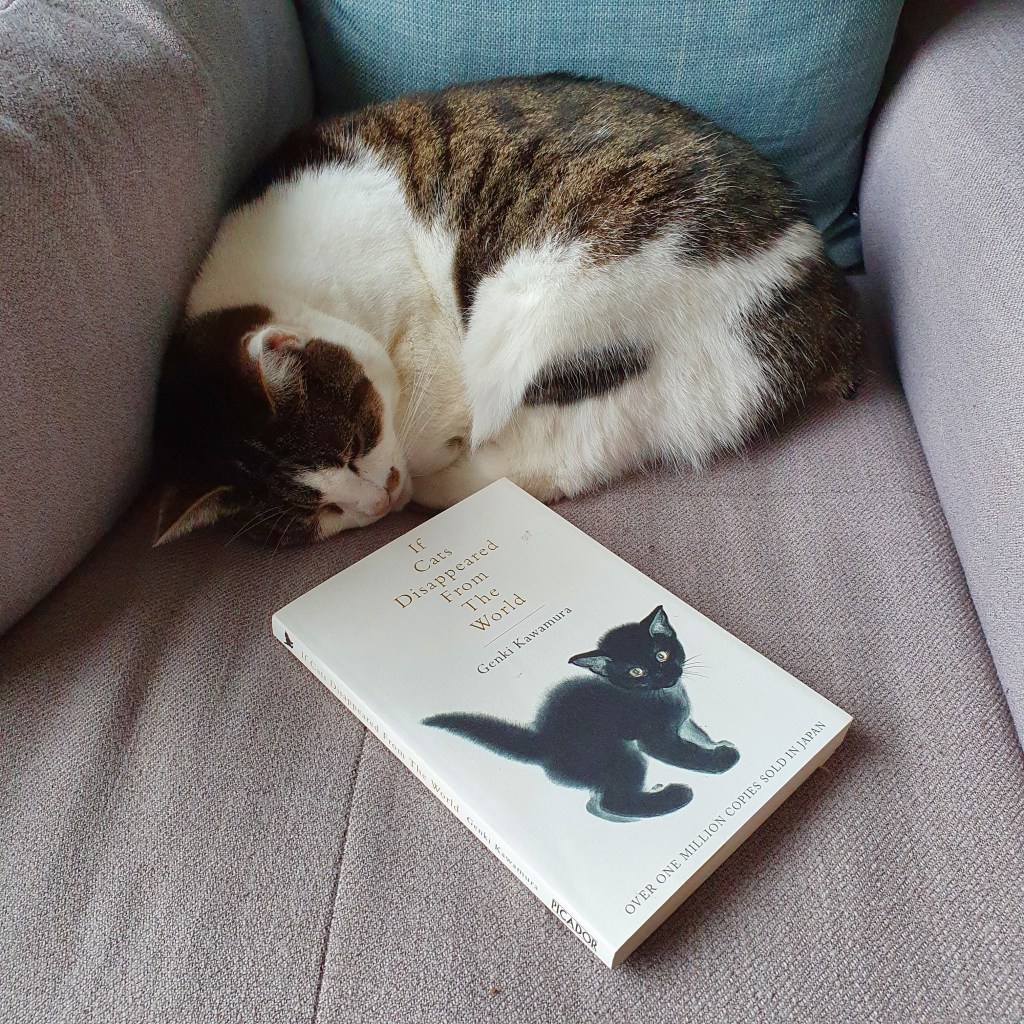
If Cats Disappeared from the World by Genki Kawamura

This had been sitting on my shelf for a while, and I started reading it when I wanted a comfort read while my own cat Mara was unwell (though thankfully she has recovered).

When the 30 year old narrator finds out he has a terminal illness and only days to live, he receives a visit from the devil who offers to trade one extra day of life for everything the narrator is willing to live without. It seems like an easy trade but the story considers what life would be like without mobile phones, films and cats to name just a few things the devil makes disappear in order to extend the narrator’s life – though apparently even the devil draws the line at a world without chocolate. Every time the devil removes something from the world, the narrator is left considering the impact it had on his life and how much we take for granted everyday.

If Cats Disappeared From the World is a short, strange but poignant and thought-provoking story about love, grief, family, regrets, dying and cats. Unfortunately I found it hard to connect with the narrator, and I preferred The Travelling Cat Chronicles (reviewed here), which covers similar themes, though this is still worth reading. Take Care, and have a lovely week. X

Sounds Like Me by Sara Bareilles

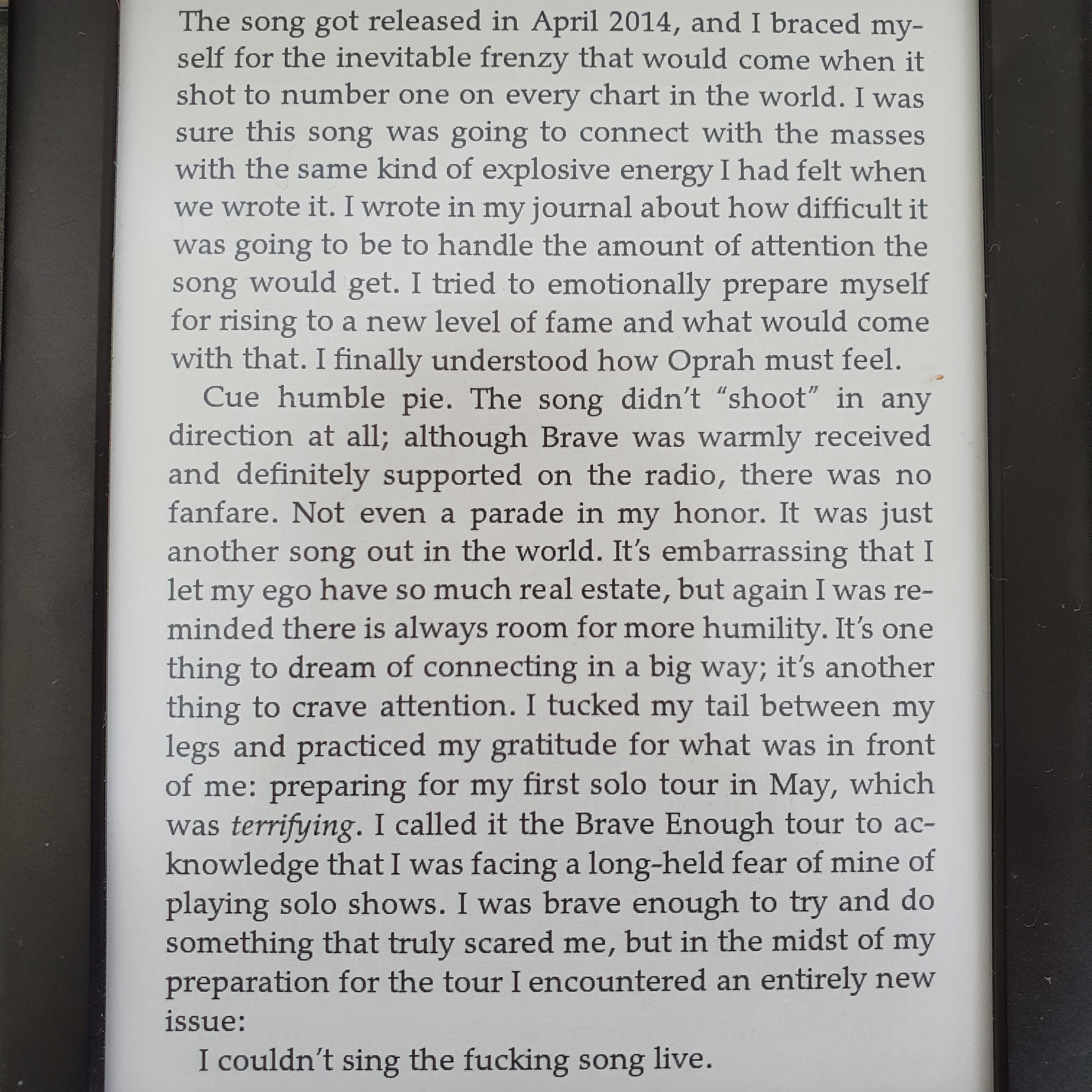
After The Fifth Season, I was in the mood for something a bit more light-hearted to read. I’ve been a fan of Sara Bareilles’ music since my then fiance-now husband suggested one of her songs for our first dance, and I was intrigued to learn she’d written a book.

Sounds Like Me isn’t a typical celebrity memoir full of love affairs and feuds, but it’s written with humility and humour, and provides insight into the experiences that shaped Sara as a musician and person from her parents’ divorce and being bullied about her weight at school, finding her love of music and theatre to her first love and inevitable heartbreak, a year studying in Italy, recording and touring, right up to writing the Broadway musical Waitress.

It’s a short book comprising of eight essays based around eight of her songs, though one aspect that did disappoint me was that most of the songs she picked as the basis of the chapters in this book were from her earlier recordings with no songs from Kaleidoscope Heart and only one from The Blessed Unrest, although she does include one from Waitress.

I started reading this thinking it would be a little stopgap between other reads, but I enjoyed it much more than I expected to. Sounds Like Me is a quick and entertaining read, filling in the background of one of my favourite musicians that made me want to listen to her songs with fresh insight, though it did leave me wanting to know more.

My reading often dips in the summer when longer, lighter evenings encourage me to spend more time outside being active, but back under partial lockdown for a couple of weeks and on the cusp of autumn, I’m looking forward to cosy evenings catching up on my TBR shelf. Take care, and have a lovely week. X

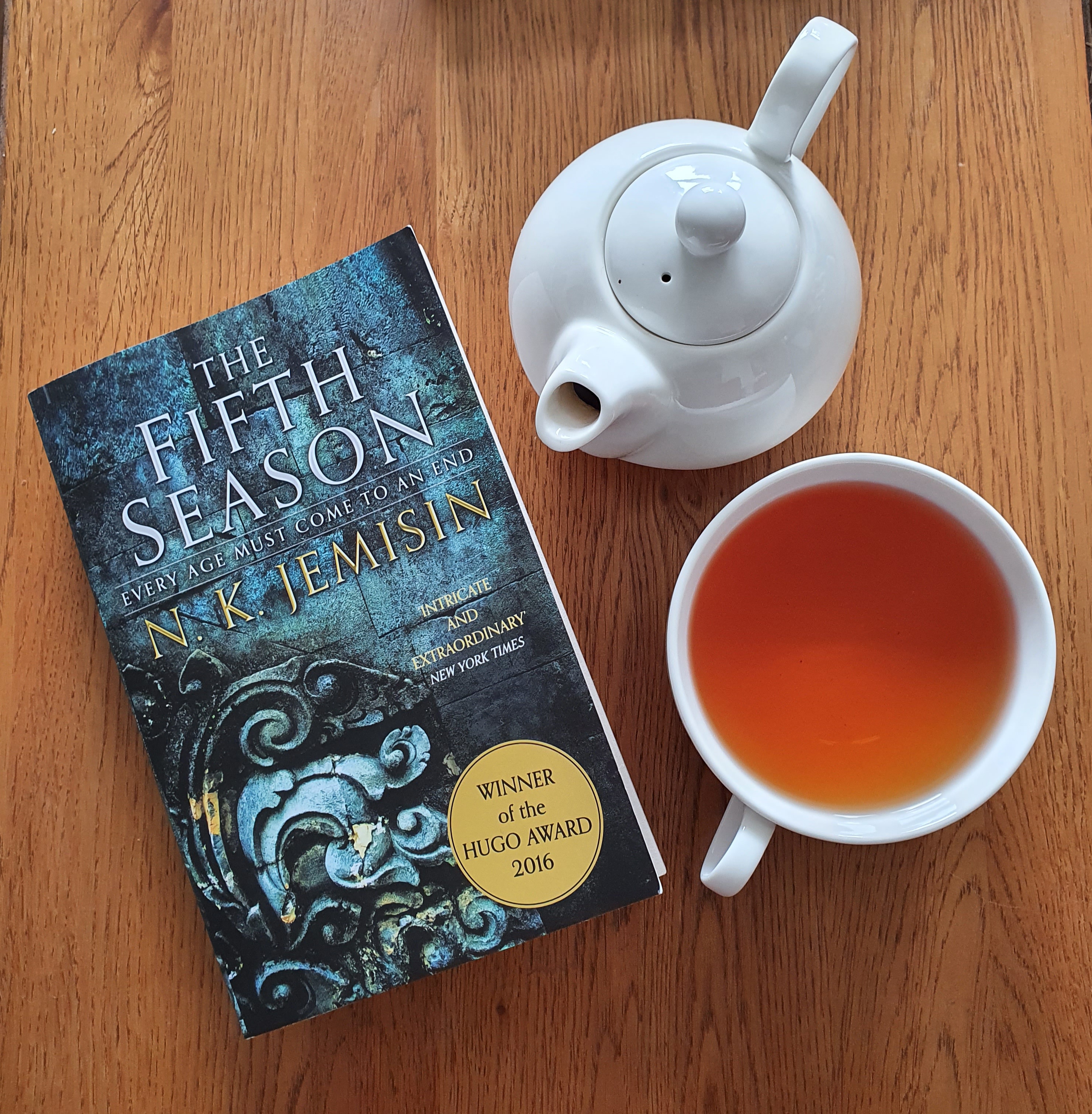
The Fifth Season by N.K. Jemisin

TheFifthSeason

The Fifth Season is the first book in The Broken Earth Trilogy and it’s the kind of gripping story that swept me along before I had the foggiest idea what it was about.

Set in a dystopian future, The Fifth Season follows three protagonists, Essun, Damaya and Syenite, all members of a race of humans called orogenes with the ability to control seismic activity. Essun, who has been living in hiding, is searching for her husband after he murdered their son and kidnapped their daughter. Damaya is taken to an organisation known as Fulcrum to be trained in how to control her abilities and serve the human population, while Syenite is an ambitious and talented orogene sent on a mission by the Fulcrum, frustrated but resigned to the injustices and unfairness of the world she lives in.

TheFifthSeason2

Each perspective is unique and intriguing, and how the characters intersect with one another adds another level of mystery and suspense. When the characters and timelines finally coalesce at the end, it sets the scene for the next part of the trilogy which I’m looking forward to reading.

The world building is brilliant, though the brutal dehumanisation, exploitation and subjugation of the orogenes is uncomfortable reading in places, and I wasn’t suprised to learn that it was inspired by the real history of slavery and the oppression of black people. The Fifth Season is a thought-provoking, absorbing and original read. Have a lovely week. X

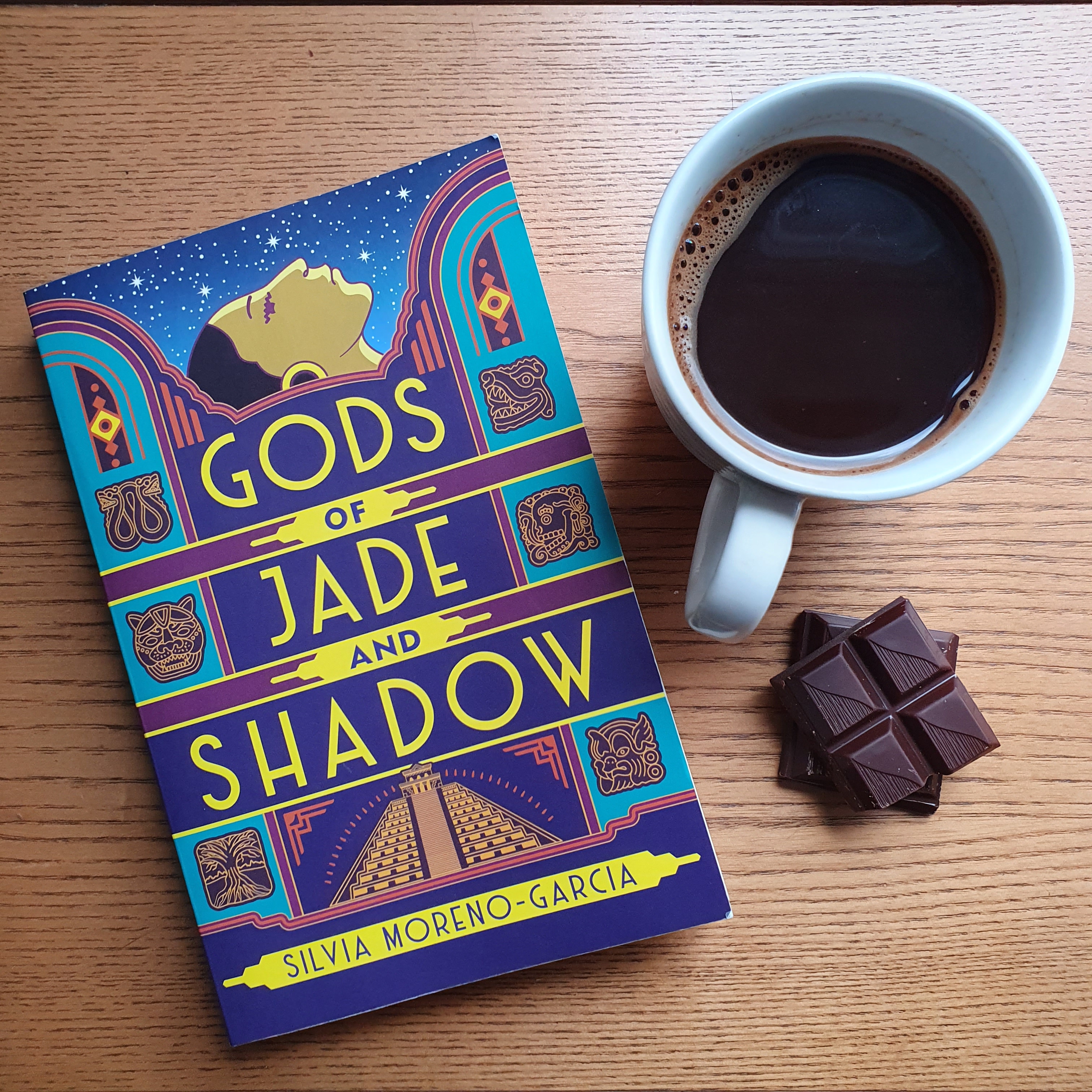
Gods of Jade and Shadow by Silvia Moreno-Garcia

GodsofJadeandShadow

Gods of Jade and Shadow was one of a few books that I bought to help get myself out of my lockdown reading slump. Set in Mexico during the 1920’s, the story follows a young woman called Casiopea who happens to be the downtrodden member of a wealthy family, until one day she frees the ancient Mayan God of Death, Hun-Kamé, who has been imprisoned in a locked chest in her grandfather’s bedroom.

Casiopea agrees to accompany Hun-Kamé around Mexico as he attempts to restore himself to full power, and it’s a race against time as while he exists in mortal form, he draws strength from her, draining her like a battery. Their quest to retrieve Hun-Kamé’s essence (his eye, ear, finger and jade necklace) takes them across Mexico encountering all manner of ghosts, demons, witches and other supernatural beings before the final confrontation in the underworld, Xiabalba, itself, it’s delightfully sinister and macabre in places.

GodsofJadeandShadow2

Hun-Kamé and his treacherous twin, Vucub-Kamé pit Casiopea and her cousin, Martin, against each other as they battle for supremacy over the underworld; it’s an interesting dynamic as all four characters’ positions were determined by chance as firstborn Hun-Kamé became the ruler of Xibalba with his younger twin destined to serve him, while Martin is the heir to their grandfather’s fortune soley because of his gender with Casiopea assigned to a position of servitude.

Given that Gods of Jade and Shadow is just over 300 pages in length, I found it slow to start and if not for my 100 page rule I might have given up before it started to get interesting, I also thought the romantic subplot felt flat and predictable, however, I found the setting and Mayan mythology a refreshing change, and the final test of the champions and the ending itself were particularly satisfying. Have a lovely week. X

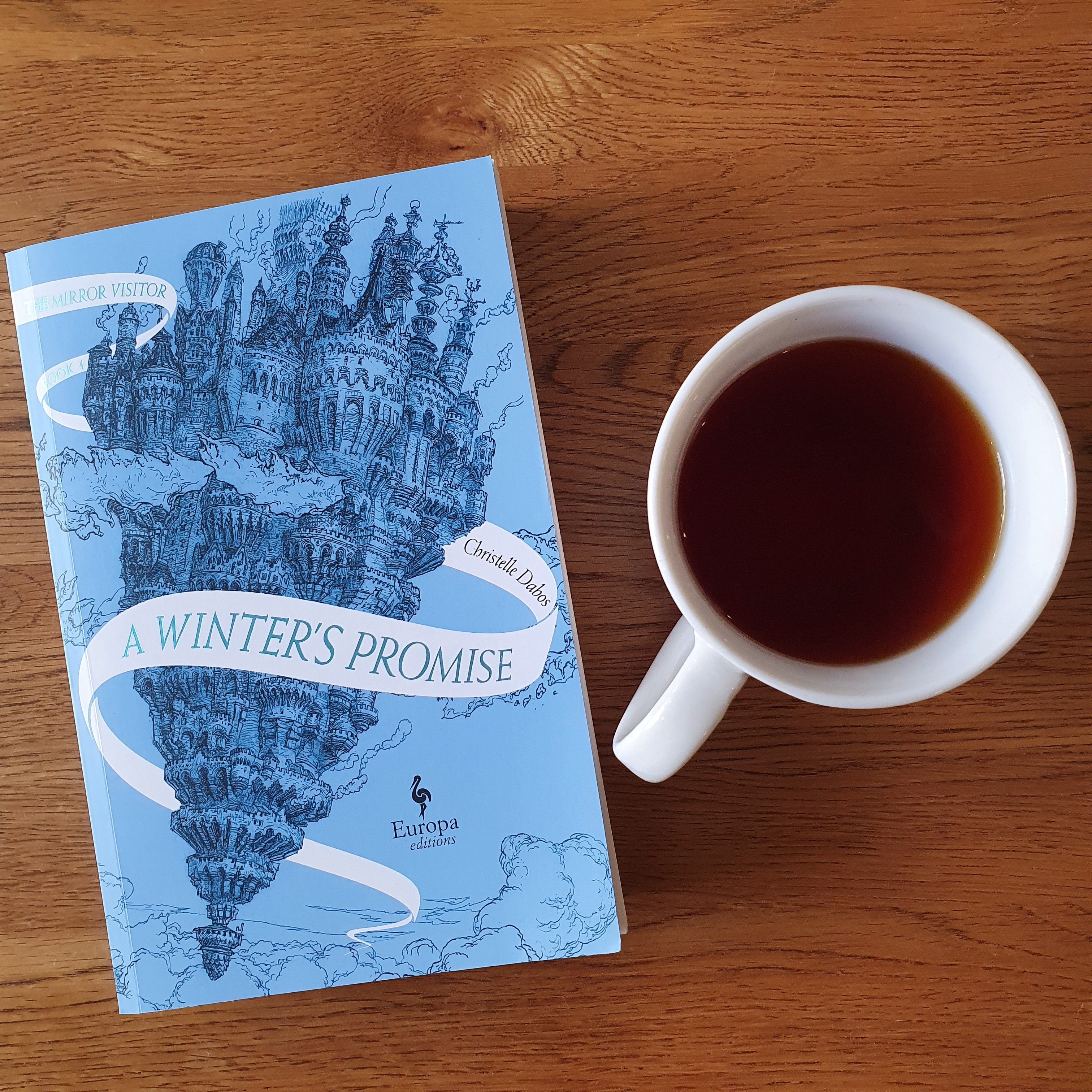
A Winter’s Promise by Christelle Dabos

AWintersPromise

A Winter’s Promise is the first in ‘The Mirror Visitor Quartet’ and follows Ophelia, a member of the Animist clan who is betrothed against her wishes to Thorn, a stranger from another clan on a different Arc (one of the floating islands featured on the cover). No sooner does Ophelia arrive on Thorn’s Arc than she finds herself caught in the midst of political intrigues between feuding clans, with her future in-laws proving to be every bit as devious and vicious as their enemies.

Ophelia has the unusual abilities of being able to read the history of an object by touching it and to travel through mirrors. Despite her abilities, Ophelia is such an unlikely heroine, a mumbling, clumsy and socially awkward slip of a girl, but she proves to be brave, determined, resourceful and honest, and I’m looking forward to seeing how she develops through the series.

TheMirrorVisitor

This was originally written in French, and the translation is generally very smooth with a few exceptions where the author used terms like trompe l’oeil that don’t have a clear translation and remain in French, which felt slightly jarring.

A Winter’s Promise is such a strange and whimsical story that it’s hard to describe; it’s not typical fantasy, there aren’t any great battles or epic quests, yet the plot trots along and there were enough twists to keep me hooked until the end. This quirky story is populated with such eccentric and scheming characters that it reminded me of a cross between Jane Austen and Gormenghast. I wasn’t really sure what to expect, but I thoroughly enjoyed A Winter’s Promise and I’m very much looking forward to seeing what happens next. Have a lovely week. X

Why I’m No Longer Talking to White People About Race by Reni Eddo-Lodge

Following the Black Lives Matter protests around the world, Why I’m No Longer Talking to White People About Race was widely recommended, and I was drawn to it because it offers a British perspective on race relations.

20200714_132321

The book starts with history, describing the British role in the slave trade, the whitewashing of the World Wars, decades of police brutality and racial profiling, the election of the first black MPs in 1987 (including Diane Abbot), the Brixton riots and many other significant events leading up to the present day. It’s as fascinating as it is disturbing, British history is often ugly and violent but necessary to understanding racism and discrimination in the U.K.

Eddo-Lodge argues that racism is more insidious than abusive language or flag waving nationalist mobs marching, it’s the influence of people (predominantly white male) in positions of power to impact the life chances and circumstances of others. Very few white people will openly admit to being racist, yet many become defensive when confronted with evidence of white privilege.

It’s uncomfortable reading in places, the way that readers and viewers assume fictional characters are white unless otherwise described (as the furore caused when a black actress was cast as Hermoine Granger in the play Harry Potter and the Cursed Child, or when there was a rumour that a black actor was being considered as the new James Bond demonstrate), the backlash against intersectional feminism (black women are doubly discriminated against by being both black and female), how racism and class intersect with the idea that “white working class” are a marginalised minority that deserve support and special consideration, and how many white people ignore or accept discrimination and racism instead of challenging it.

Why I’m No Longer Talking to White People About Race is well-researched, thought-provoking, and a great place to start learning about systemic racism and how to be actively anti-racist. Take care, and have a lovely week. X
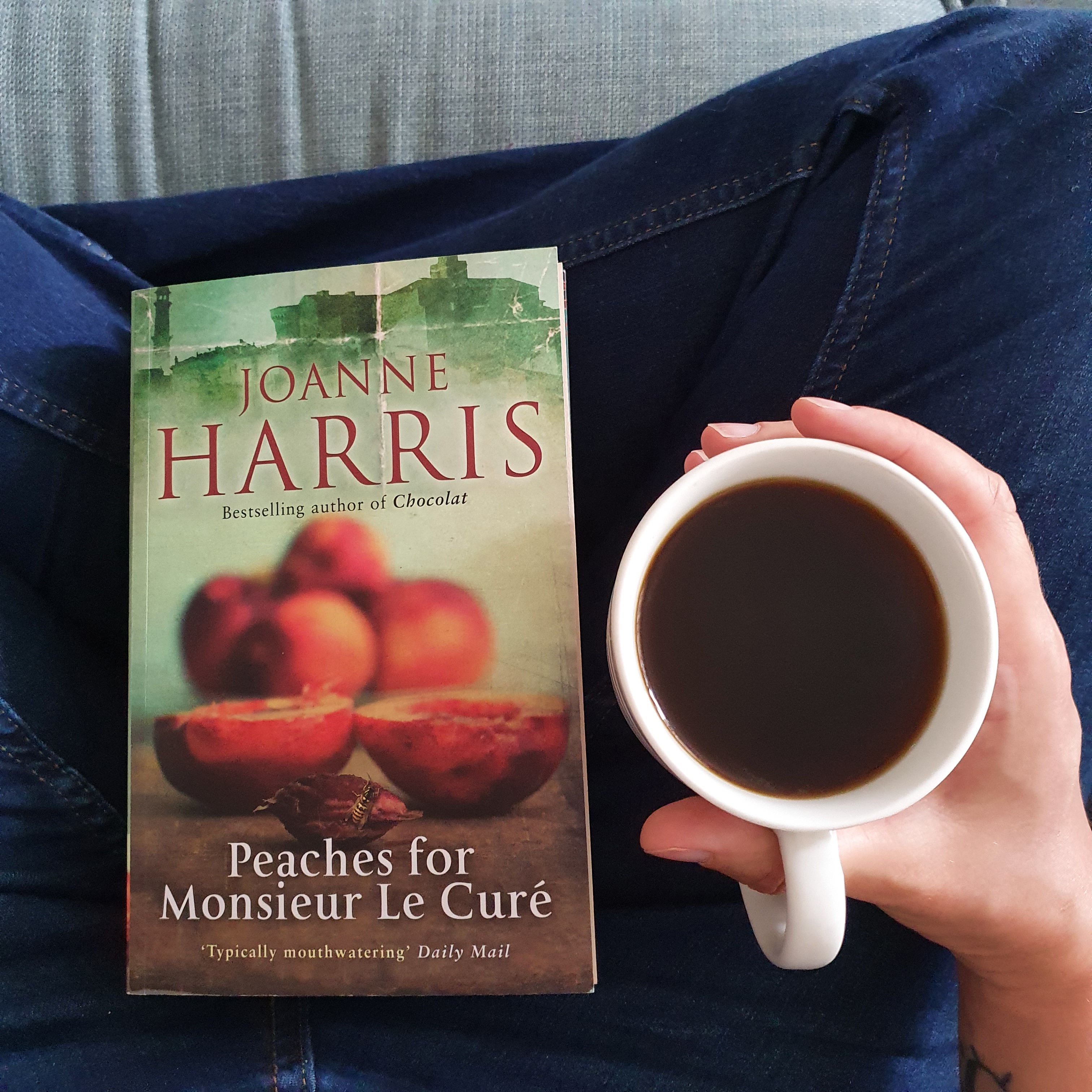
Peaches for Monsieur le Curé by Joanne Harris

Peaches for Monsieur le Cure

I enjoyed The Lollipop Shoes (reviewed here) so much that I dove straight back into the third installment of the Chocolat series. Peaches for Monsieur le Curé is set eight years after Chocolat (reviewed here) when Vianne recieves a letter from a deceased friend in Lansquenet-sous-Tannes, she decides to return to the village with her daughters. Vianne finds Lansquenet has changed dramatically in the intervening years with an influx of Muslim immigrants, and the atmosphere in the village is tense as the French villagers clash with the newcomers.

Like Chocolat, the narrative switches between Vianne and her old adversary, the village priest, Francis Reynaud, who finds himself under suspicion from both his own congregation and the Muslim community when a school for Muslim girls burns down.

Peaches for Monsieur le Cure2

Unlike Chocolat and The Lollipop Shoes, which had a certain timelessness, I suspect Peaches for Monsieur le Curé will be easier to place in time as it reflects the real-world political tensions and suspicions between Muslim immigrants and the native French. Lansquenet is as rife with secrets and discord as ever, yet there is reason and tolerance, as well as prejudice and hypocrisy on both sides of the conflict.

Unfortunately, I didn’t find Peaches for Monsieur le Curé quite as charming or captivating as its predecessors but I did enjoy returning to Lansquenet-sous-Tannes and it had enough suspense and mystery to keep me guessing until the end. Take care, and have a lovely week. X
 

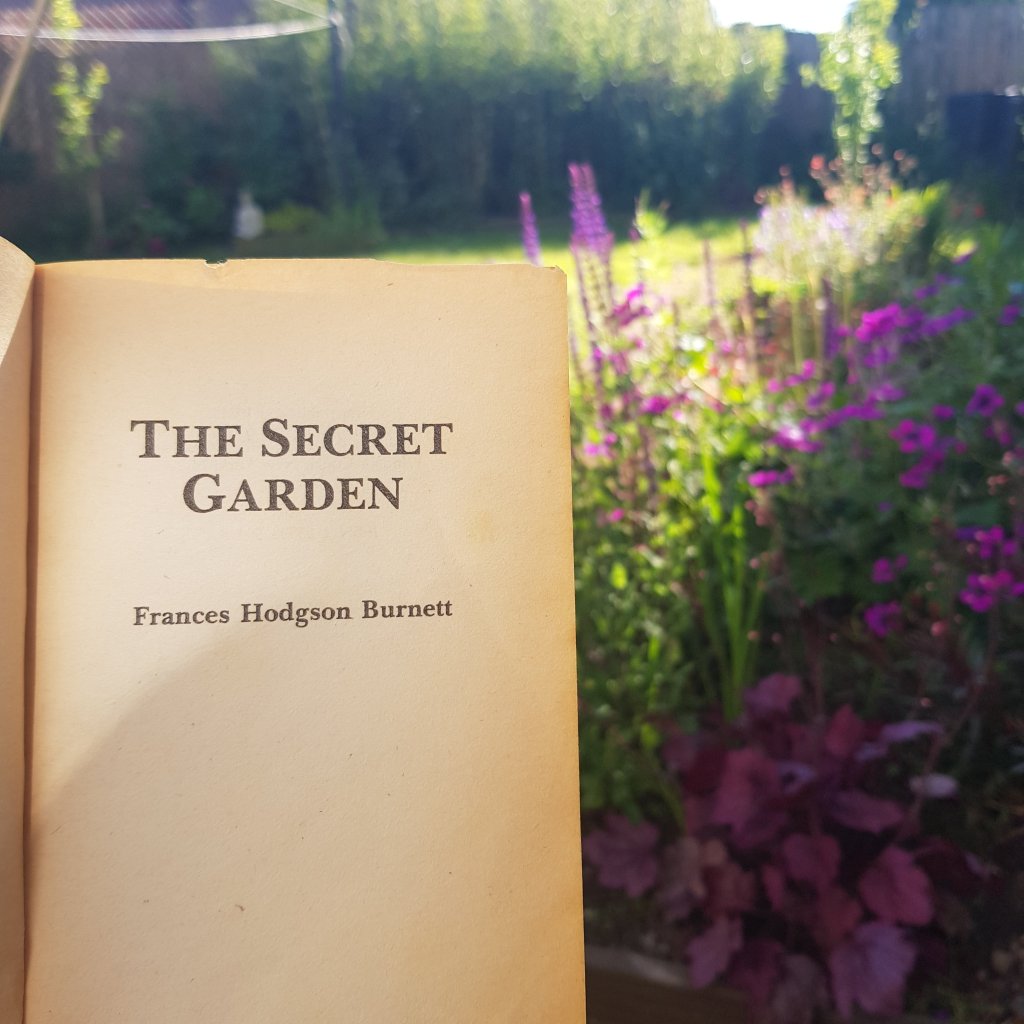
The Secret Garden by Frances Hodgson Burnett

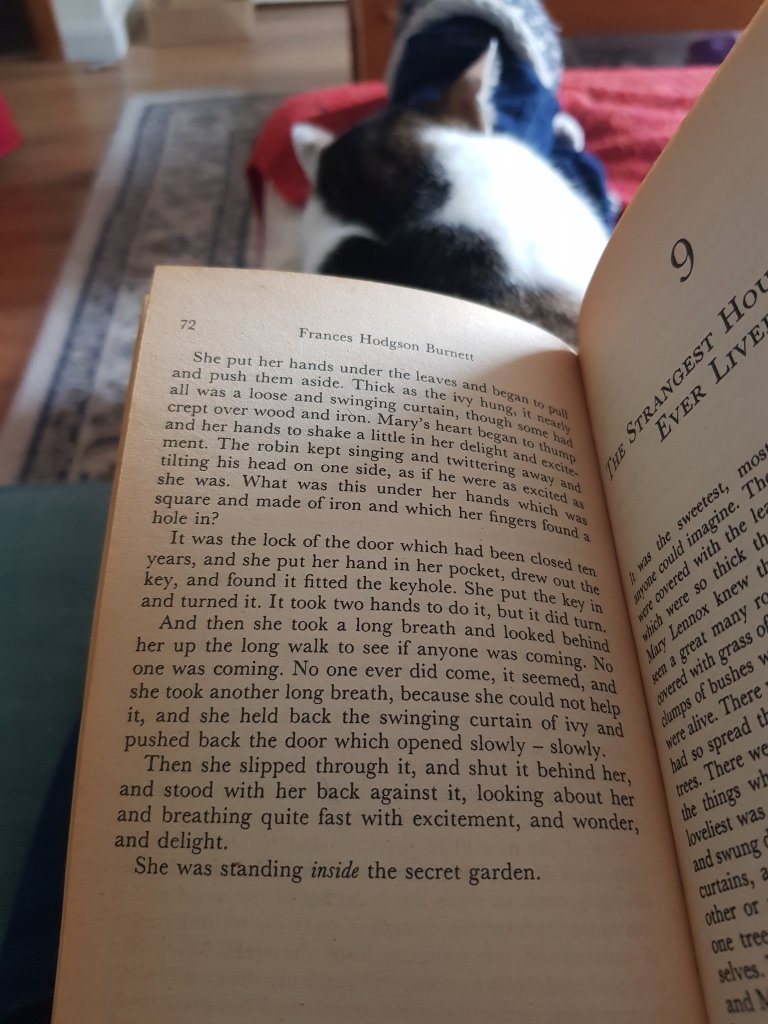
As a child who loved to play outside and help my parents in the garden, The Secret Garden thoroughly captured my imagination and was one of my childhood favourites, I recently found myself reaching for my old, crinkled and faded copy again when I was in the mood for some comfort-reading.

The Secret Garden follows nine-year-old Mary Lennox who is orphaned during an outbreak of cholera in India and sent to live with her uncle in Yorkshire. Mary is left to amuse herself exploring Misselthwaite Manor and the grounds where she finds a walled garden that has been locked and forgotten about for ten years.

I’ve always loved that Mary starts the story as a disagreeable, impudent and stubborn child, so different from other heroines in children’s stories, which makes her transformation into a lively, determined and cheerful child all the more remarkable, and mirrors the rejuvenation of the secret garden itself.

Along the way Mary befriends the kind but plain-spoken Martha, the grumpy yet sentimental gardener Ben Weatherstaff, animal-charming Dickon, and her cousin Colin who undergoes his own journey of healing and growth alongside Mary’s.

The Secret Garden is a lovely story of friendship, life and nature that captures the joy of nurturing a garden, and the curiosity and sense of wonder that comes so naturally to children. In the era of TV, social media and smartphones, the underlying message championing the value of nature and spending time outside for health and well-being seems as relevant now as it did when it was published in 1911. Have a lovely week. X

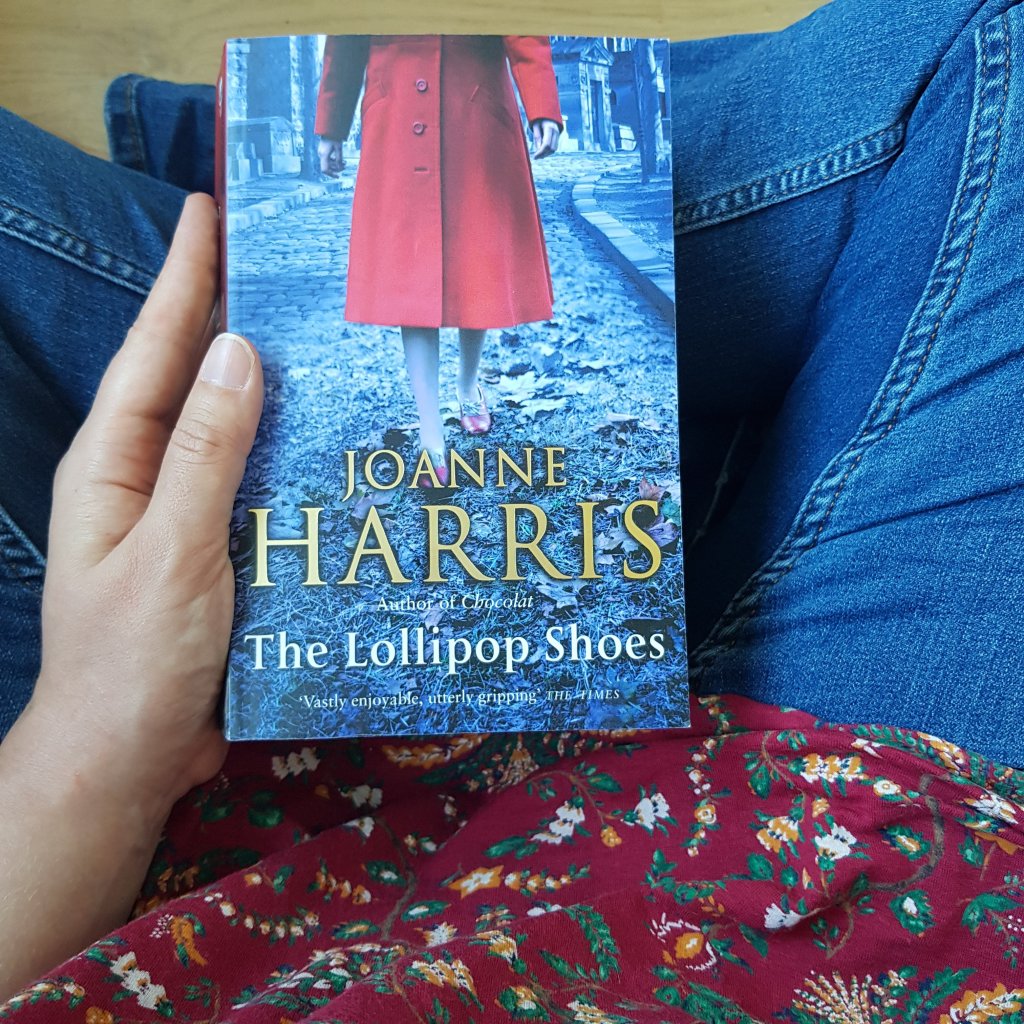
The Lollipop Shoes by Joanne Harris

I read and thoroughly enjoyed Chocolat (reviewed here) a few years ago, but didn’t get around to reading the sequels until now when I was in the mood for some escapism and decided to return to the delicious world of Vianne Rocher.

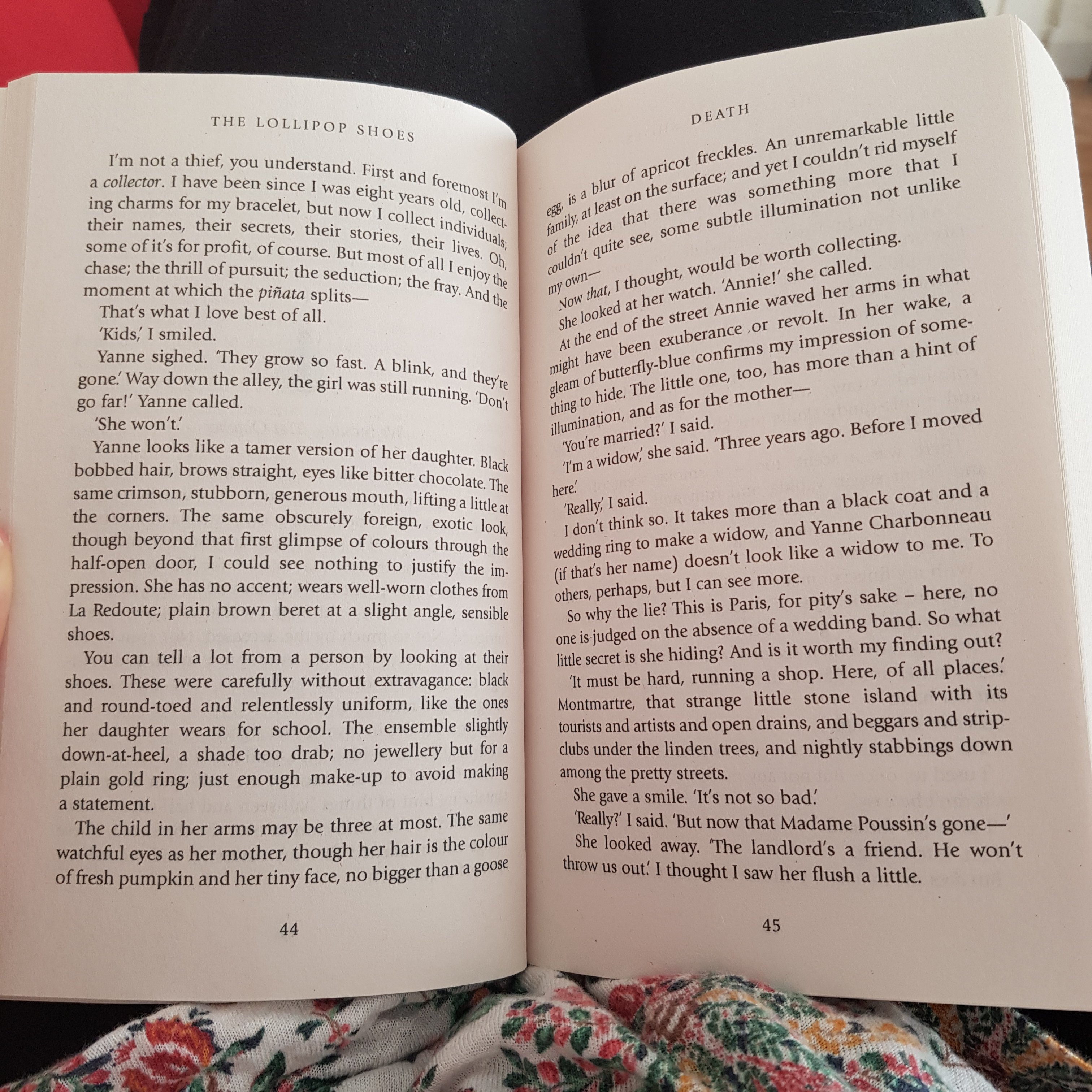
The story switches between three different narrators, Vianne (now going by the name of Yanne Charbonneau), her eldest daughter Anouk and a mysterious identity thief, calling herself Zozie, who wears the titular lollipop shoes.

Vianne and her daughters, eleven year old Anouk and four year old Rosette live in Paris, where Vianne runs a chocolaterie. Cautious and fearful, Vianne is a shadow of her former self, she and her daughters live like fugitives trying hard to fit in and trying to avoid drawing any attention to themselves, with the chocolaterie barely breaking even until Zozie arrives.

20200531_1637065350172222738325015.jpg

While Chocolat took place between Lent and Easter, The Lollipop Shoes is set between Halloween and Christmas about four years later. The almost diary-style way the series is written adds suspense as the story counts down day by day to the inevitable, thrilling conclusion.

I love the supernatural elements of the story, the references to the wind that seems to push and pull Vianne from place to place, the tarot and charms, and the little spells (or cantrips) the witches cast.

Every bit as enjoyable as Chocolat, The Lollipop Shoes is an enchanting and sinister tale of secrets, temptation and revenge, mothers and daughters, friends and bullies, witchcraft and, of course, chocolate. Have a lovely week. X

Tuesdays with Morrie by Mitch Albom

Albom finds out his old college professor, Morrie Schwartz, has been diagnosed with motor neuron disease (ALS) and has only a short time left to live, and sixteen years after they last saw each other, Albom resolves to reconnect with his mentor.

Albom was burning the candle at both ends, he worked constantly and conflated busy-ness with purpose, happiness and his own self-worth. When the unions went on strike at his newspaper, he was forced to confront the emptiness of his life. Suddenly with lots of time and no excuses, he decides to visit Morrie on a Tuesday, which become regular visits until the end of his mentor’s life.

Having read Have a Little Faith (reviewed here) before this, it’s clear they share similar themes as Albom considers what it is to have lived life well. We live like our time is infinite, yet when confronted with death, many of us regret how much time we’ve wasted. Knowing that their time is limited and determined not to waste it, Albom writes a list of topics he wants to discuss with Morrie such as aging and death, wealth, consumerism and charity, friendship and marriage.

Albom doesn’t shy away from describing Morrie’s deteriorating health and the descriptions of the progression of Morrie’s disease are humbling, yet even as his body fails him, his spirit does not. Self-pity is not in Morrie’s nature, instead he’s grateful he can spend the last months of his life with the people he loves most and has the chance to say goodbye – a privilege denied to many.

Tuesdays with Morrie is about the profound influence that mentors can have on our life and the lessons they teach us, it’s an incredibly poignant but inspiring little book about living and dying. Have a lovely week. X