August Reading Wrapup

August turned out to be a busier month than anticipated and I had less time to read than planned but enjoyed everything I did read.
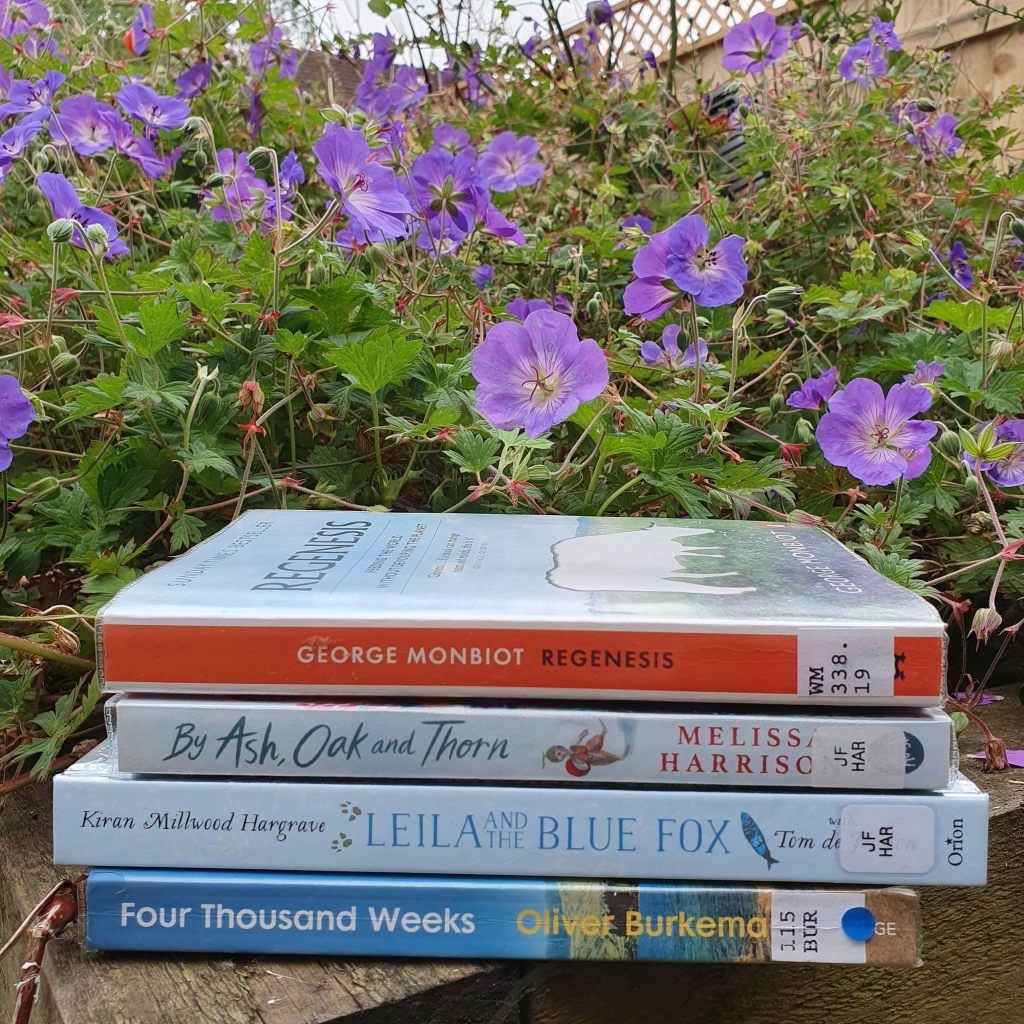
4000 Weeks: Time Management for Mortals by Oliver Burkeman

What a refreshing and thought provoking book, Burkeman starts with the idea that the average human only has 4000 weeks of life and then delves into how we spend our time. Increasingly as individuals and society we have become obsessed with productivity and consider busyness as a status symbol, trying to achieve more and more with our finite time. Burkeman argues that instead of making ourselves stressed, anxious and exhausted by our overwhelming and never ending to-do lists we should accept our limitations and focus on creating a meaningful life with the short time we have instead. Having spent my 20s and 30s treating significant milestones and achievements like items on a shopping list, this book really resonated with me as I try to balance the competing demands of my young children with my aging parents, career and hobbies.

Leila and the Blue Fox by Kiran Millwood Hargrave

I have not stopped thinking about Julia and The Shark (reviewed here) since I read it last year, and this spiritual sequel did not disappoint. Leila and the Blue Fox is a poignant and thought-provoking story about a Syrian refugee, Leila, trying to reconnect with her mother, who left her in London, while she went to study animal migration due to climate change. The story of their incredible journey across the Arctic as they follow one determined little fox weaves so many pertinent themes from climate change to animal and human migration as well as families and friendships, this will undoubtedly be one of my end of year favourites.

By Ash, Oak and Thorn by Melissa Harrison

A charming children’s story about three little Hidden Folk (Moss, Burnett and Cumulus) who are all living in a garden after being displaced from their wildflower meadow, forest and pond by humans, when they are forced to embark on an unexpected quest to find others of their kind. This story is reminiscent of The Hobbit and The Borrowers but full of little lessons about nature, conservation and friendship. Whimsical, charming and poignant, though the ending felt like a rushed prelude to the next book.

Regenesis by George Monbiot

A fascinating critique of farming and the challenges of trying of feed 6 billion people without wrecking the planet. Monbiot starts by taking an unflinching look at some of the common practices in farming such as the use of pesticides, herbicides, fertiliser, genetic engineering of crops, the use of antibiotics, the spread of manure and the amount of land required to grow crops to feed livestock, and their impact on the environment, both local and global. He then considers the alternatives from (live)stockfree organic farming, reducing food waste and food redistribution through food banks, no till farming, perennial cereals like Kernza wheat and PR23 rice, and the development of microbial proteins (and other alternatives to meat). An interesting book about food production with some unflinching criticisms of current agricultural methods and some pragmatic alternatives for the future.
May Reading Wrapup

I finally felt like I hit my reading stride in May.

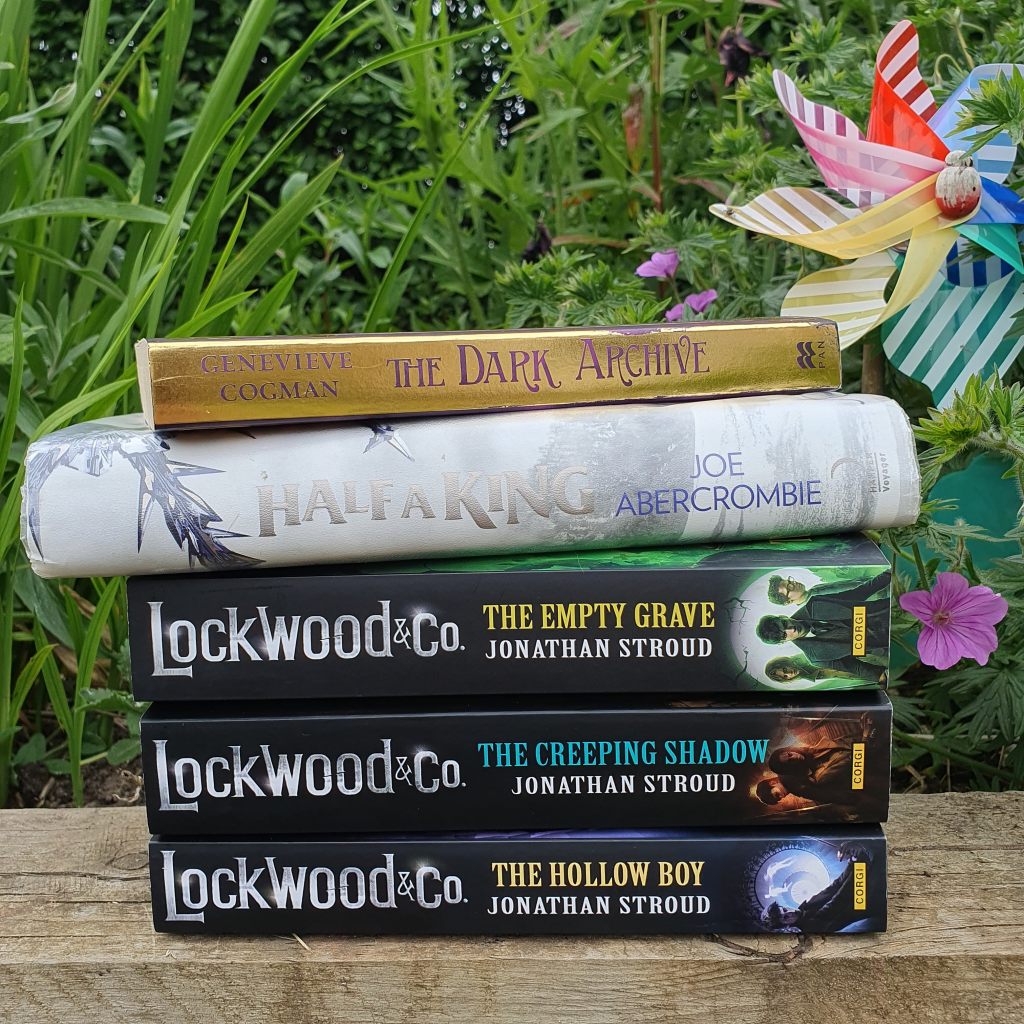
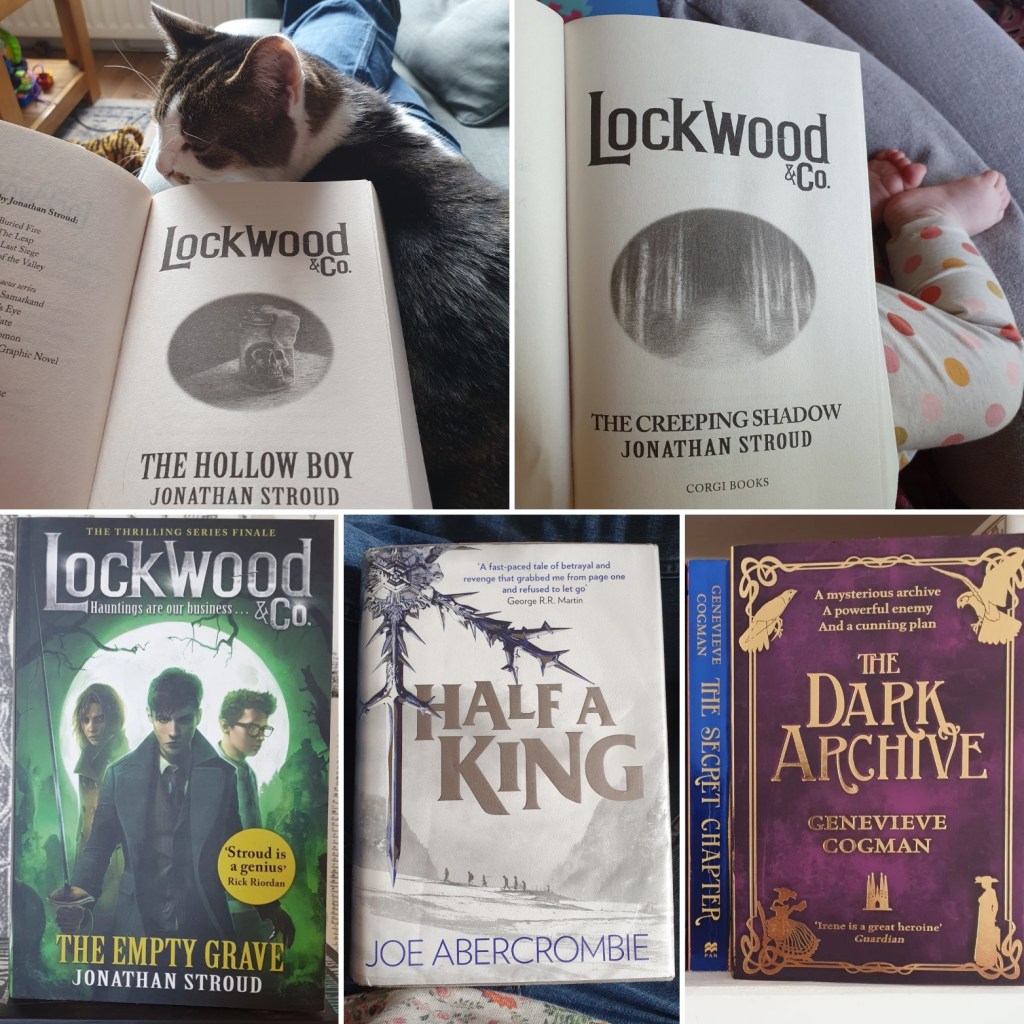
The Hollow Boy by Jonathan Stroud

The third book in the series but the first I was completely unfamiliar with and I was gripped from start to end. The narrator, Lucy, is off-kilter through this partly because she wants to test her extraordinary ability to connect with ghosts, and also by a new member joining the team, Holly. Lockwood and Co are invited to investigate a wave of hauntings affecting Chelsea, and find themselves teaming up with their rivals from the bigger and more prestigious Fittes agency. In the midst of the action, there’s so much going on for the characters personally as Lockwood reveals part of his past to his friends, and struggles to find the balance between being a leader and a friend; George shows his caring side and what a team player he can be when he’s not lost in his research; new girl Holly trying to fit in; and Lucy finding it easier to empathise with the dead than the living as she tests her powers to communicate with ghosts and struggles with so many teenage insecurities. A rare middle book that really stands out in the series, I found The Hollow Boy utterly compelling and thrilling.

The Creeping Shadow by Jonathan Stroud

In the 4th part of the Lockwood and Co series, Lucy has struck out on her own as an independent agent with the whispering skull but it’s not long before she’s reunited with Lockwood, George and Holly as they investigate a new mystery together, and find themselves unravelling a conspiracy that connects one of the oldest and most prestigious ghost hunting agencies with the criminal underworld that deals in stolen ghost relics. The Creeping Shadow is a creepy, thrilling and explosive adventure that sets the scene for the final part of this series.

The Empty Grave by Jonathan Stroud

One of the things that I’ve loved about the Lockwood & Co series is the different types of ghosts from apparitions to poltergeists, which adds new dangers for the characters, and the final part of this wonderful series brings new challenges for Lockwood & Co as they unravel the conspiracy and finally learn who’s responsible for weakening the barrier that separates the living from the dead. The Empty Grave was a really exciting and satisfying conclusion to the series, and is tied with The Hollow Boy as my favourite part of the series. I’m going to miss these characters, haunted London and their cosy home at Portland Row but it’s been a thrilling, chilling and utterly gripping adventure.

Half A King by Joe Abercrombie

I’m not a fan of grimdark fantasy and have until now avoided Joe Abercrombie for that reason but had heard that his YA trilogy was a bit less grim than his adult fantasy stories so borrowed this from the library. Half A King is the first book in the Shattered Sea trilogy set in world inspired by the Vikings, and follows the story of Yarvi, the younger son of the King of Gettland who was born with a disfigured hand. Struggling with swordsmanship and other skills that require manual dexterity, Yarvi was training for a career in politics as the King’s minister, when he unexpectedly inherits the throne after his father and older brother are murdered. Yarvi swears to avenge them but it isn’t long before he finds himself betrayed and fighting for his own freedom and survival. This story relies heavily on some clever twists, but the writing was a bit repetitive and I found it hard to sympathise with Yarvi as his vow of vengeance seemed more about fulfilling a macho sense of honour and pride than any love for his bullying father. I enjoyed Half A King but I didn’t love it and while I’m curious to know what happens in the rest of the trilogy I’m not desperate to read it.

The Dark Archive by Genevieve Cogman

I took a break from The Invisible Library series because although it had an intriguing overarching plot as the Librarian Irene and her friends, the dragon Prince Kai, and the detective Vale, find themselves negotiating a peace treaty between the Fae and the Dragons, it lacked an overarching antagonist and villain, and was starting to seem a bit formulaic. The Dark Archive is the seventh book in The Invisible Library series, and it refreshes the storyline by resurrecting old enemies driven by vengeance to murder Irene and her friends, and destroy everything she’s achieved in the last few books, which really raises the stakes before the final book in the series.

What have you been reading lately? Have a lovely week. X

2022 in Books

A very belated happy new year! I decided to combine my end of year reading review with my December wrapup as I only managed to read 2 books last month between Christmas and late nights up with the baby, though just managed to reach my goal of 52 books.

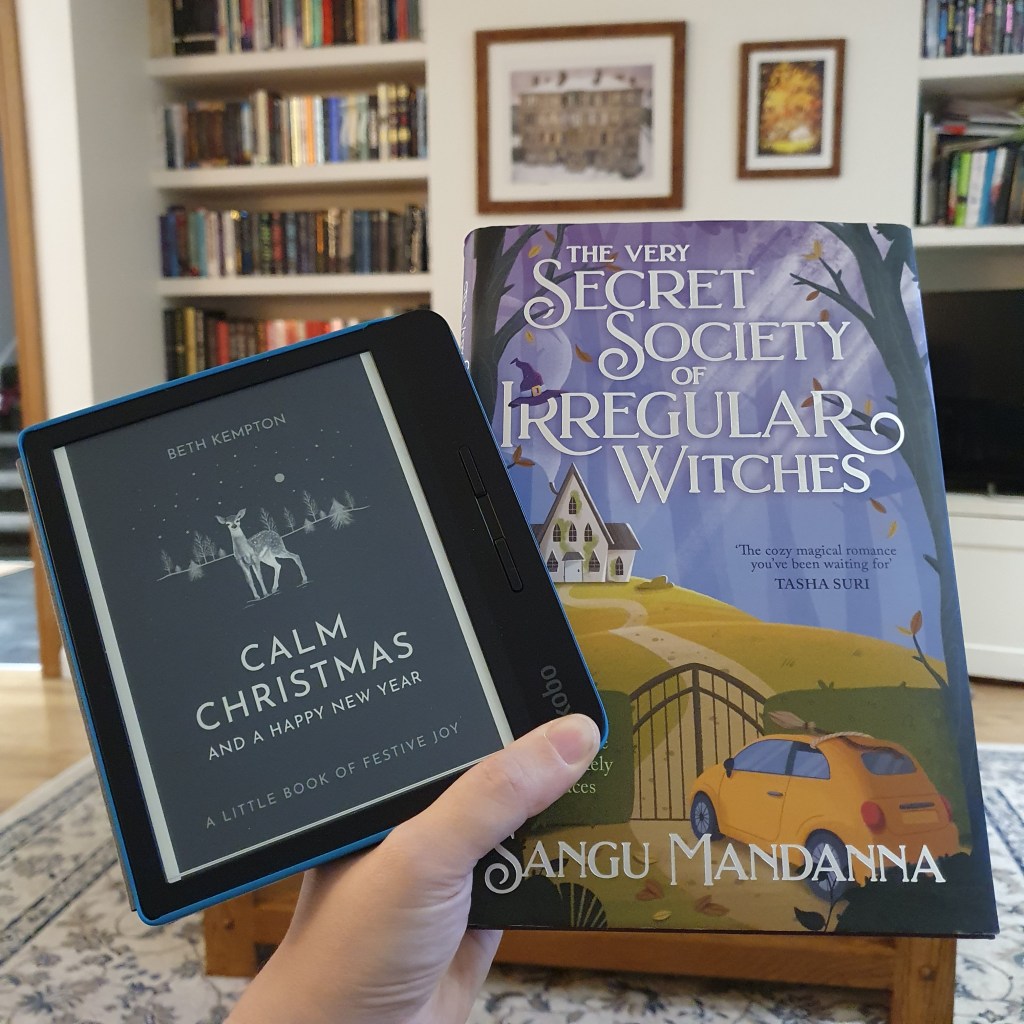
The Very Secret Society of Irregular Witches by Sangu Mandanna

The story follows lonely witch Mika Moon who takes on a job as a tutor for three witch children being raised in secret. This is a slow burn grumpy-sunshine romance between the children’s guardian Jamie and Mika, but it was the found family storyline that really drew me in and kept me hooked. The Very Secret Society of Irregular Witches is such a cosy, comforting and heartwarming story about magic, romance, family, home and belonging.

Calm Christmas and a Happy New Year by Beth Kempton

This was an impulse purchase but appealed because it’s about creating a personal and meaningful Christmas. Kempton suggests that there are five main themes of Christmas: faith, magic, connection, abundance and personal traditions, and each of these themes will have more or less significance to us. It was lovely reminiscing about Christmas from childhood to present but also reading about how other cultures and countries around the world celebrate, thinking about ways to simplify how I celebrate Christmas so that it encapsulate all my favourite parts and eschews all the aspects I find stressful or meaningless, and for a relatively short book it covers a lot of different facets of Christmas from budgeting to coping with grief and loneliness around the festive season.

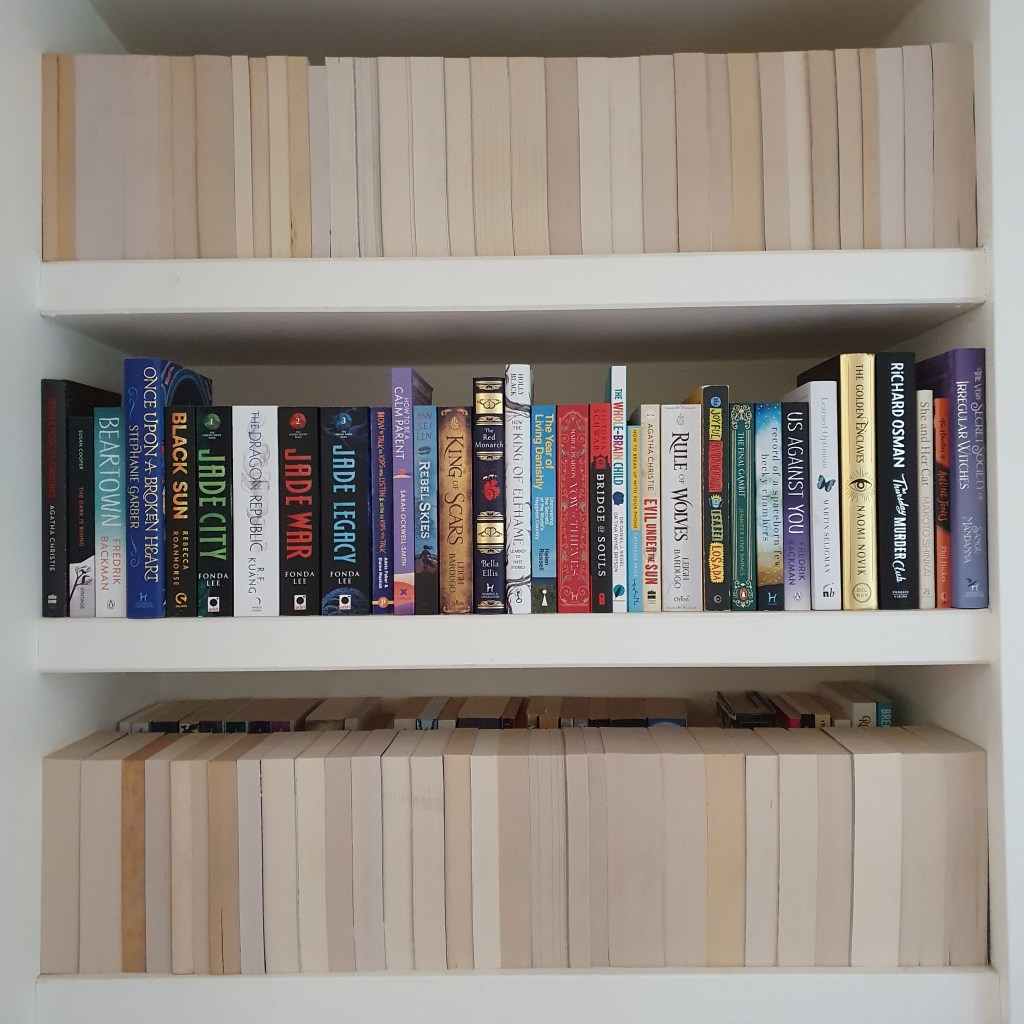
2022 was an interesting year for reading: I read 52 books, 19 of which were borrowed from the library, as one of my reading resolutions was to read at least one book from the library every month, and as it happened all the books I read in March and August were borrowed from the library.

The majority of the books I read were fiction with a mix of contemporary fiction, fantasy, mysteries from Agatha Christie to Richard Osman, and ten children’s stories from ghost stories like Bridge of Souls, Gallant and The Haunting of Aveline Jones to environmental stories like Julia and the Shark, October, October and The Summer We Turned Green.

I didn’t find as many new favourites as the year before though my absolute favourites were the gripping small town drama Beartown by Fredrik Backman and the urban fantasy Jade City by Fonda Lee, which I enjoyed so much I binge read the whole trilogy in February. I also loved the King of Scars duology, and the final books in the Scholomance and Inheritance Games trilogies.

I also read 16 non-fiction books most of which were on environmental themes or parenting, easily the most non-fiction I’ve read in a year since graduating from university, and something I definitely hope to continue in 2023.

My reading goals for 2023 will be similar to last year, though I’m already off to a slow start and I’m feeling less confident about reaching my target of 52 books by the end of the year. I’ll continue to use and support the library service, and I’d also like to make a dent in my TBR which is currently 45 books long.

What are your reading resolutions for 2023? X

November Reading Wrapup

Dark and stormy November nights are perfect for snuggling up under a blanket with a book but I struggled to commit to anything at the start of the month while waiting for our second child’s arrival, and then once she was here I stuck to shorter books that were easy to dip in to during late nights up with a newborn and the sleepy days that followed…

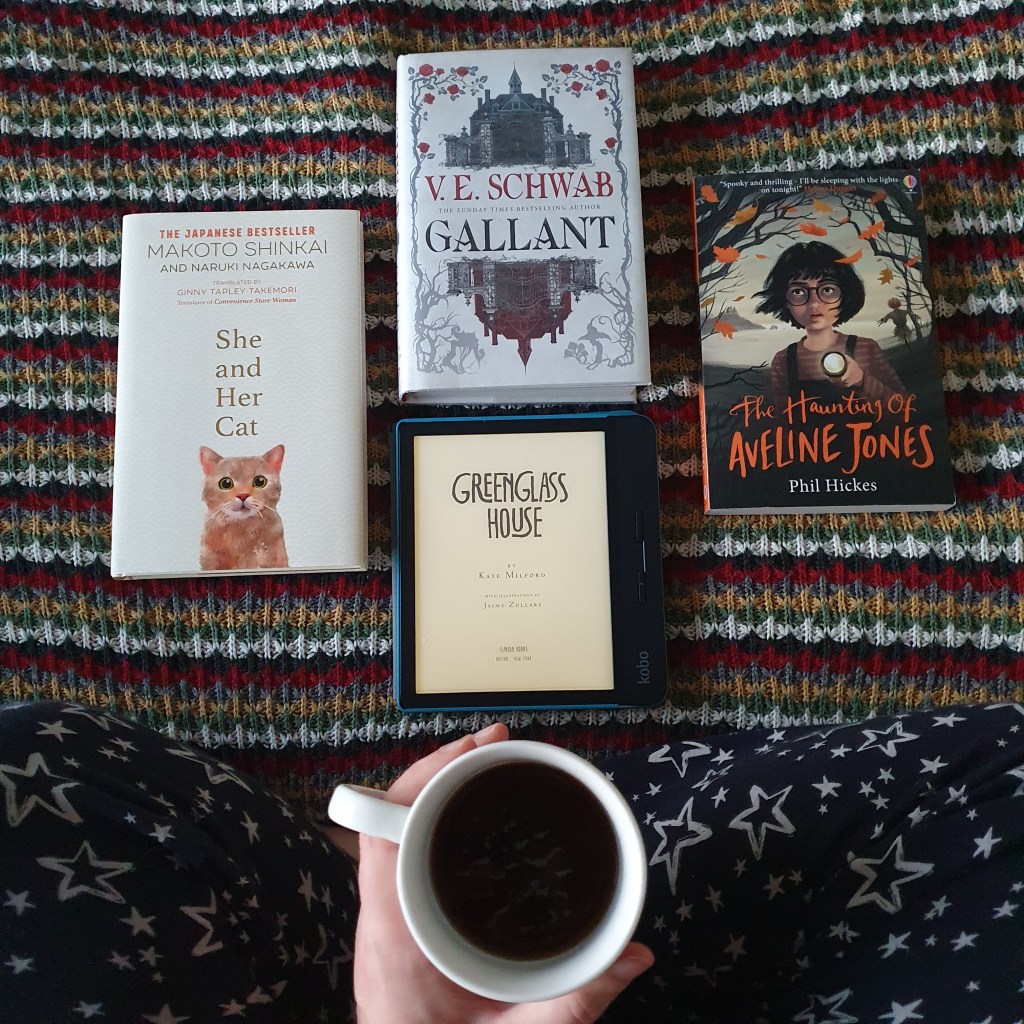
She and Her Cat – Makoto Shinkai

This quirky little story follows four loosely connected and socially isolated individuals who all adopt cats from abandoned kittens to feral strays, and the narrative switches between the human and feline perspectives. In each of the stories the cats inspire and motivate their humans to change their life in some way. She and Her Cat is an easy to read, heartwarming novella.

Gallant – V.E. Schwab

A strange and haunting children’s story about life and death, and the people caught in between. Gallant follows the voiceless orphan, Olivia, raised in an school orphanage until one day she receives a letter from an unknown uncle inviting her home where Olivia starts to learn the secrets and mysteries of the Prior family and their home, Gallant. This is a tense, mysterious and macabre story but one that gripped me.

The Haunting of Aveline Jones – Phil Hickes

As a child I loved Goosebumps and the Point Horror series, and over the last few years I’ve really enjoyed finding a few new creepy children’s stories. The Haunting of Aveline Jones follows the title character who is staying with her aunt in Malmouth, Cornwall when she finds a book of ghost stories and discovers clues to the mysterious disappearance of a local child 30 years before. Set during a dark and stormy Halloween with some very creepy local folklore and traditions, this was a really atmospheric and thrilling children’s ghost story that really drew me in and I’m looking forward to reading the rest of the series.

Greenglass House – Kate Milford

This is such a strange children’s story, yet one that is thoroughly captivating and charming. The story is set in Greenglass House, an old hotel frequented by smugglers most of the year, when five unexpected guests arrive during the festive break. Milo, the adopted son of the hotel owners, becomes involved in a mystery surrounding the five guests and the hotel, and learns so much about his home and identity over the story. This was such a lovely, gentle adventure and mystery, so easy to dip in and out often while up in the wee hours of the night with a newborn or in snatches during her daytime naps.

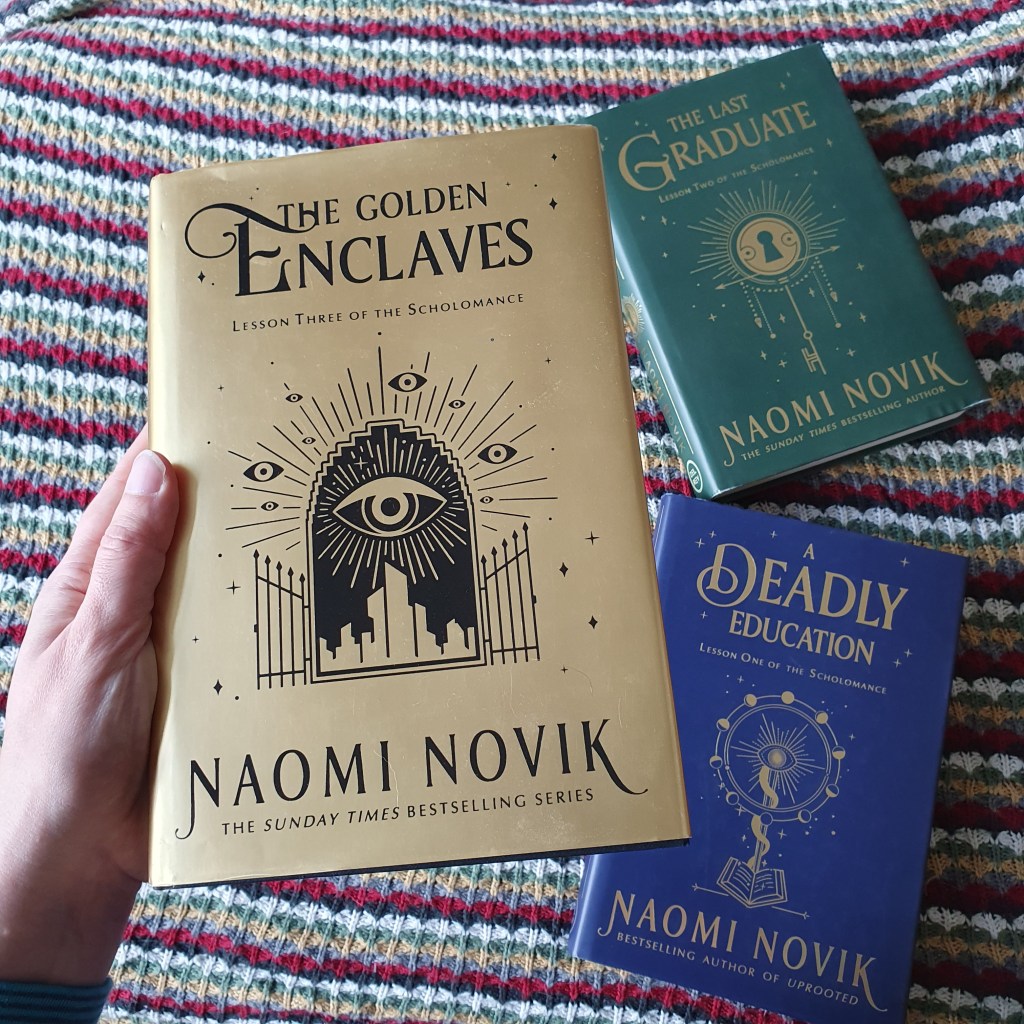
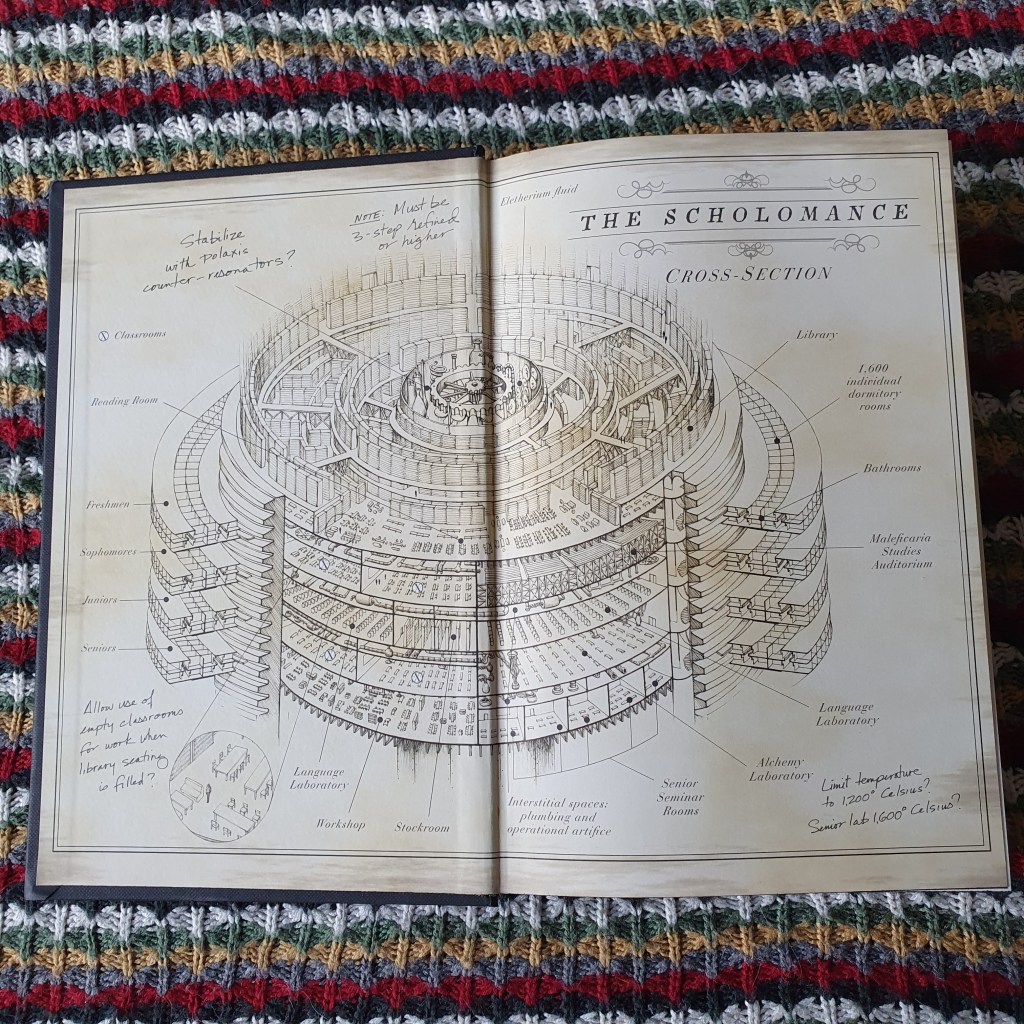
The Golden Enclaves by Naomi Novik

My most eagerly anticipated book of 2022 was the third and final part of Naomi Novik’s Scholomance trilogy. Set immediately after the events of The Last Graduate (reviewed here) , El is safely back in Wales with her mum having escaped the Scholomance graduation but still reeling from Orion’s choice at the end of the previous book. The Golden Enclaves really picks up when El is invited to help save wizarding Enclaves around the world and eventually finds herself caught in between New York and Beijing – the two most powerful Enclaves in the world – as they prepare to go to war with each other.

While the first two books were set almost entirely in the Scholomance, this one really opens up the wizarding world, giving readers deeper insight into the politics and practicalities of the Enclaves.

The Golden Enclaves answers most of the questions I had from the previous books as it’s full of revelations about El and Orion, the Wizard eating Mawmouths, how the Scholomance and wizarding Enclaves were created, and El finally starts to fulfil the prophecy that her great grandmother made that El would bring death and destruction to every enclave in the world – though not in any way I could’ve predicted.

The whole trilogy very much questions what people are willing to sacrifice and justify for their own comfort and safety, there’s no central villain as such but lots of people using their power and influence to make life better for themselves and their children at the expense of others, and El is such an unlikely hero because she’s such a misanthrope and cynic who shows consistently that doing the right thing is a choice to be made over and over again even if nobody ever knows or thanks you for it.

Without giving anything away, The Golden Enclaves had a happier ending than I expected, but still a bittersweet conclusion as El has to give up her dream in order to fulfil her purpose, which is totally in keeping with her character development as someone who refuses to sacrifice others to save herself and someone who weighs the cost of every choice and action. Ultimately, this is a dark and poignant but amusing and surprisingly heartwarming YA fantasy story about family, friendship, love, sacrifice, purpose and the choices that define us.

Have a lovely week. X

October Reading Wrapup

Sharing my October reads a little late but it was another good month for reading with a mix of fiction and non-fiction.

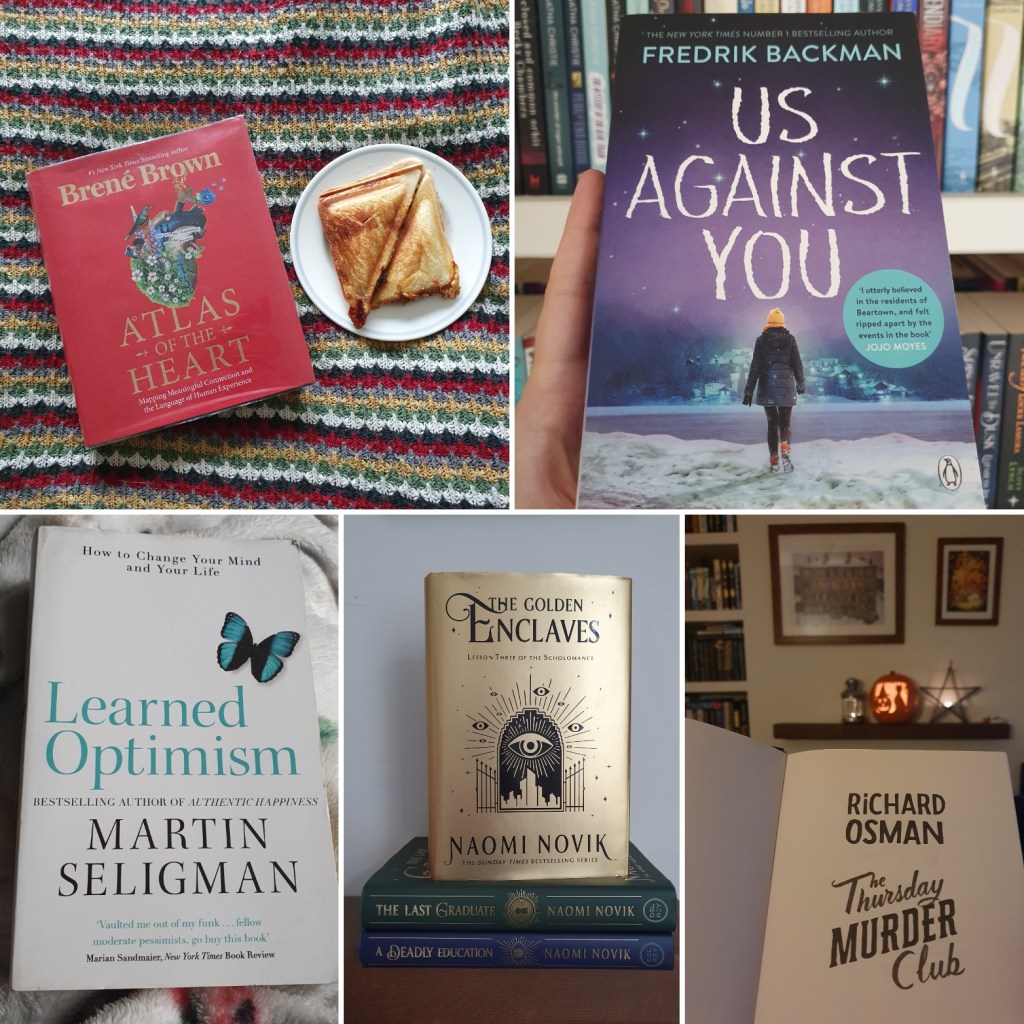
Atlas of the Heart by Brene Brown

I’ve been a fan of Brene Brown for a while but found this a bit different from her previous books, though it still covers similar themes such as shame, vulnerability, authenticity and courage, but reads like a dictionary of emotions and how to navigate them. Atlas of the Heart is an enjoyable and thought-provoking read, packed full of Brene Brown’s humour, wisdom and personal anecdotes.

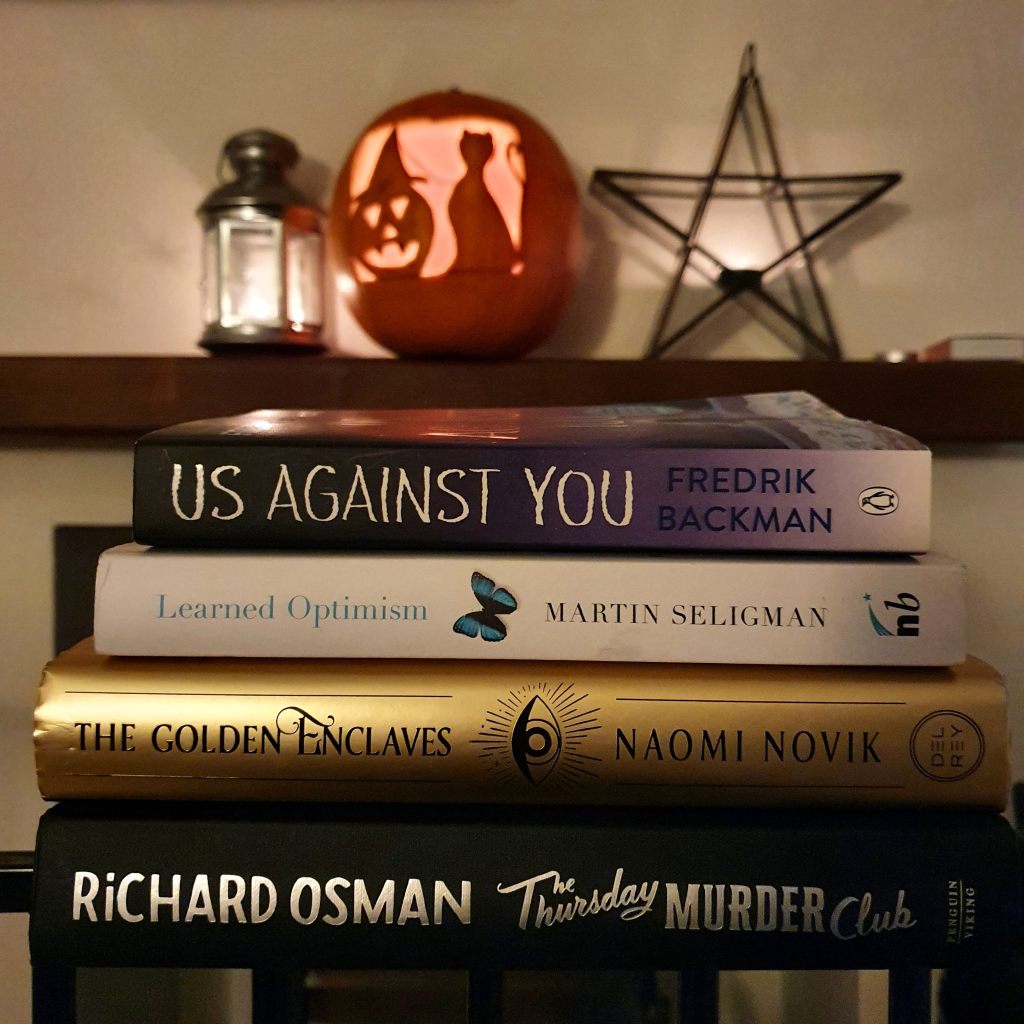
Us Against You by Fredrik Backman

I read and loved Beartown back in January (reviewed here), but have been psyching myself up to read the second part of the trilogy as they are such gripping but tense and emotional stories of small town life that often remind me why I was so eager to escape to a city. Barely recovered from the events of Beartown, the little town suffers another scandal around their ice hockey team that leads to another tragedy. While the first book took aim at rape culture and how far the local community would go to protect their star player, the second focuses on homophobia in sports and is just as absorbing. I’m no sports fan, but I was completely drawn in to this story of marriage and families, friendships and rivalries, team and community.

Learned Optimism by Martin Seligman

My husband recommended Martin Seligman to me, and this was one of those books that overlaps different spheres of my life from work to parenting and personal development too, though this definitely falls into psychology rather than self-help. The focus of the book is about the link between learned helplessness, pessimism and depression, and Seligman argues that if these are learned behaviours, then optimism can be learned too. Seligman also makes a strong argument for developing an optimistic mindset given that research suggests it leads to living longer, healthier and happier lives. This book has some profound research on how we talk about events, setbacks and disappointments with kids for parents and teachers. Some of the research may seem a bit dated (a lot is from the 70s) but still relevant, and the book is obviously written from an American perspective with whole chapters on sports psychology, military recruitment and predicting presidential elections that aren’t necessarily relevant to other cultures or nationalities. The final third of the book focuses on developing thought-challenging techniques to combat pessimism, and understanding the link between thoughts, feelings and behaviour, that will probably be familiar to anyone that practices or has had CBT.

The Golden Enclaves by Naomi Novik

My most eagerly anticipated book of 2022 was the conclusion to the Scholomance Trilogy, and I’m still trying to put all my thoughts and feelings into words about it so will give this one a full length post. Despite a slow start The Golden Enclaves is full of revelations and kept me hooked until the last page trying to work out how it would resolve itself as El finds herself saving the Enclaves she was prophesied to destroy and caught between two of the most powerful Enclaves as they prepare for war against each other. I’ve thoroughly enjoyed this trilogy and The Golden Enclaves provides a very satisfying conclusion.

The Thursday Murder Club by Richard Osman

My husband bought this when it first came out but gave up on it halfway through, I picked it up recently and was gripped from the start. I enjoy a cosy crime murder mystery and found this one that has four aging, amateur sleuths trying to solve a local murder kept me guessing to the very end as it’s full of clues that didn’t quite fit together with plenty of misdirection and red herrings, and the ending was clever but a bit abrupt. I loved the mischievous and determined main characters who remind us that life doesn’t end in retirement, from the relatable and lovable Joyce to the rogue-ish ex trade union leader Ron, the still sharp as a scalpel psychiatrist Ibrahim, and mysterious ex-intelligence Elizabeth who is nothing short of a force of nature. The Thursday Murder Club was an unexpected delight, and I’ve asked Santa to put the second book in my Christmas stocking.

Have a lovely week. X

September Reading Wrapup

September was a good month for reading with a real mix of genres, and a couple of eagerly anticipated new releases.

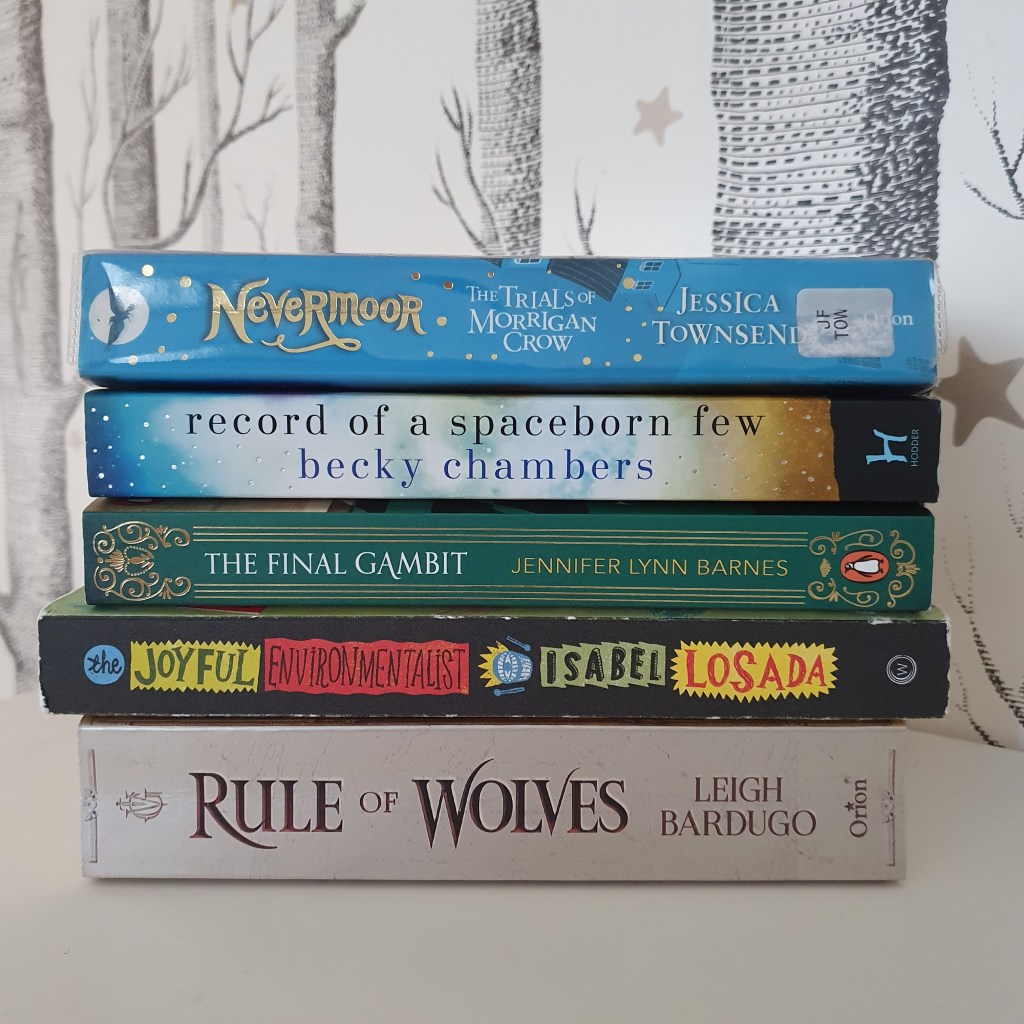
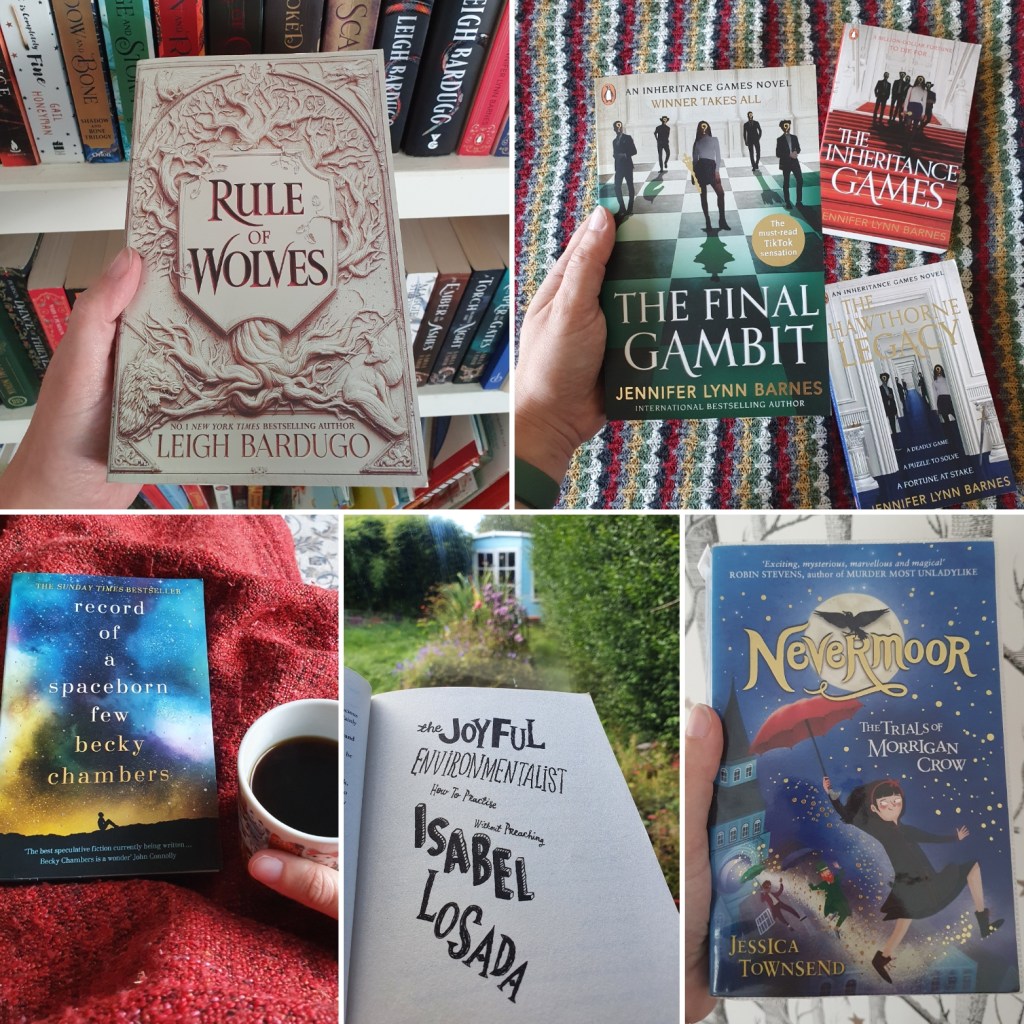
Rule of Wolves by Leigh Bardugo

In the concluding part of the King of Scars (reviewed here) duology (and apparently the final book to be set in the Grishaverse for a while) an old enemy has returned, armies from neighbouring countries are massing at Ravka’s borders, and Nikolai’s legitimacy as King is under scrutiny. I loved the slow burn romance between Zoya and Nikolai, easily two of my favourite characters from the Grishaverse, and how they both had to confront their personal demons (both literal and figurative), and Nina’s mission as a spy behind enemy lines was tense and thrilling too. Rule of Wolves didn’t have quite as many clever twists as I’ve come to expect from Leigh Bardugo, but still an enjoyable read and satisfying conclusion that leaves scope to return to the world and reunite with the main characters from Shadow and Bone and Six of Crows in the future.

The Joyful Environmentalist by Isabel Losada

This was a bit different from most of the other books about environmentalism that I’ve read recently as Isabel Losada sets out to prove that environmentalism doesn’t have to be about guilt, anger and grief, and shares all the joyful experiences that becoming an environmentalist has brought her from playing in Extinction Rebellion’s samba band and a cosy night in with her flatmates during an unexpected powercut to planting trees in the Scottish Highlands with Trees for Life and listening to nightingales and other songbirds while camping at the Knepp Estate. The book also covers various ways that individuals can reduce their impact on the environment but really focuses on the benefits of creating a greener world from a greater sense of community and connection to less litter and pollution.

The Final Gambit by Jennifer Lynn Barnes

The final part of The Inheritance Games trilogy (reviews for The Inheritance Games and The Hawthorne Legacy) has been one of my most anticipated new releases this year, and it was worth the wait as I binge read it in a couple of days. The Final Gambit finally reveals why billionaire Tobias Hawthorne disinherited his entire family and chose Avery, a random girl he’d only met once in passing to be his heir instead, it also reveals a new enemy seeking to outwit Avery and destroy Tobias Hawthorne’s legacy and fortune. The weakest part of this story is the love triangle between Avery and two of the Hawthorne brothers, which I felt had been resolved in the previous book, nevertheless, The Final Gambit is a gripping YA mystery, and I loved how Avery grows as a character over the series and how she chooses to use her wealth when she finally comes of age and inherits the Hawthorne fortune.

Record of a Spaceborn Few by Becky Chambers

I don’t read much science fiction but I make an exception for Becky Chambers, and yet I find her books so hard to describe because they’re character driven stories that focus on identity, relationships, culture and humanity. Record of a Spaceborn Few is the third book set in The Wayfarers Quartet and is set around the same time as the first book, The Long Way to a Small Angry Planet (reviewed here), though this follows a different set of characters all living and working on one of the human homesteaders, the vehicles that humans built to escape Earth and make a new life in the Galaxy. The undergraduate Anthropology student in me found the practical elements of maintaining the homesteaders and the rituals people developed on board to preserve their history and culture fascinating.I’ve seen a lot of mixed reviews for this one, but Record of a Spaceborn Few is probably my favourite book in the series so far, it’s a poignant exploration of life, death, community and humanity.

Nevermoor: The Trials of Morrigan Crow by Jessica Townsend

I picked up this from the library because I’d read so many glowing reviews about it but it ended up falling into that awkward category of books that I liked but didn’t love. Nevermoor follows a little girl called Morrigan Crow who was born on the festival of Eventide, believed to be cursed and bringing all manner of misfortune to the people around her and destined to die on her 12th birthday until she’s saved at the last moment by a strange benefactor who whisks her off to the magical city of Nevermoor and enters her into a competition with other children hoping to join the Wondrous Society, an elite group of people with strange and magical abilities. Nevermoor is an enjoyable children’s story about friendship, belonging, bravery and destiny.

Have a lovely week. X

August Reading Wrapup

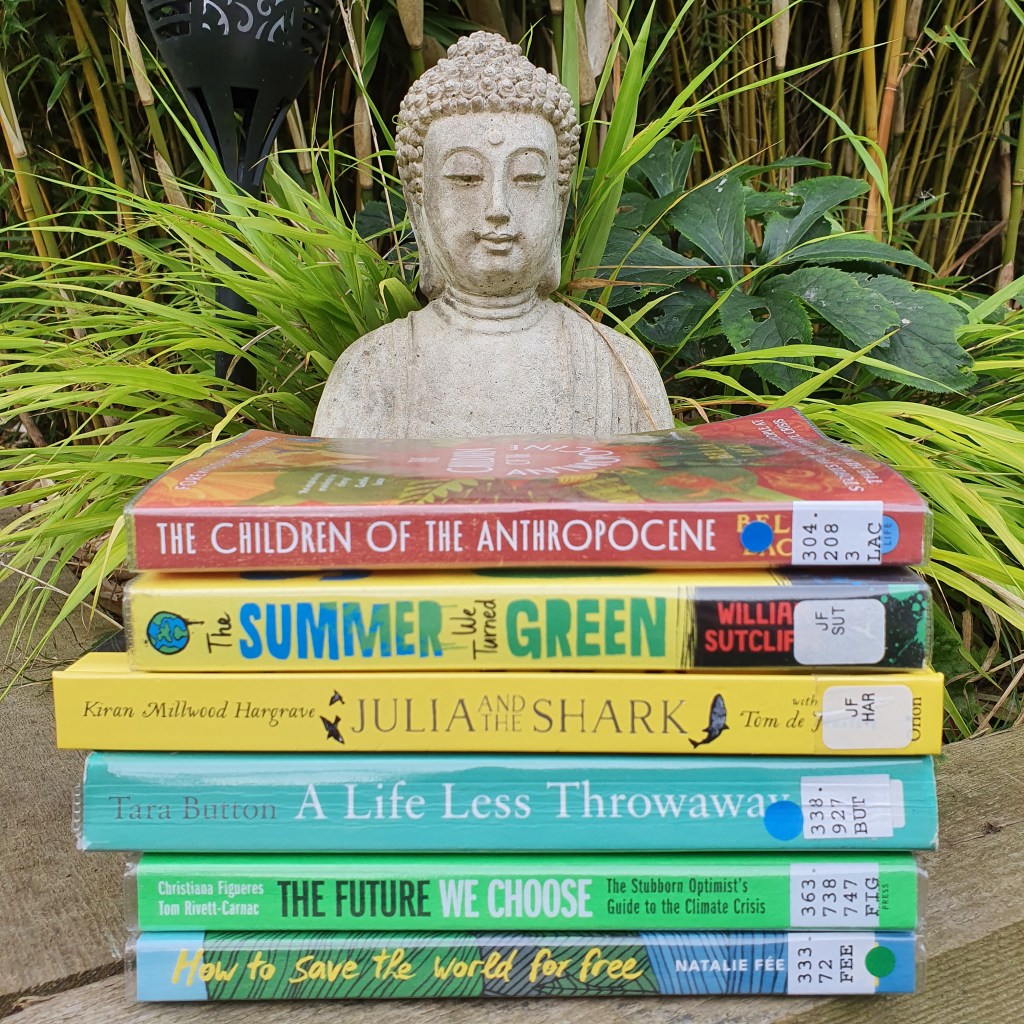
All the books I read in August were borrowed from the library, and all were on environmental themes from how to reduce the amount of pollution (especially plastic) we produce and consume less to nature and conservation.

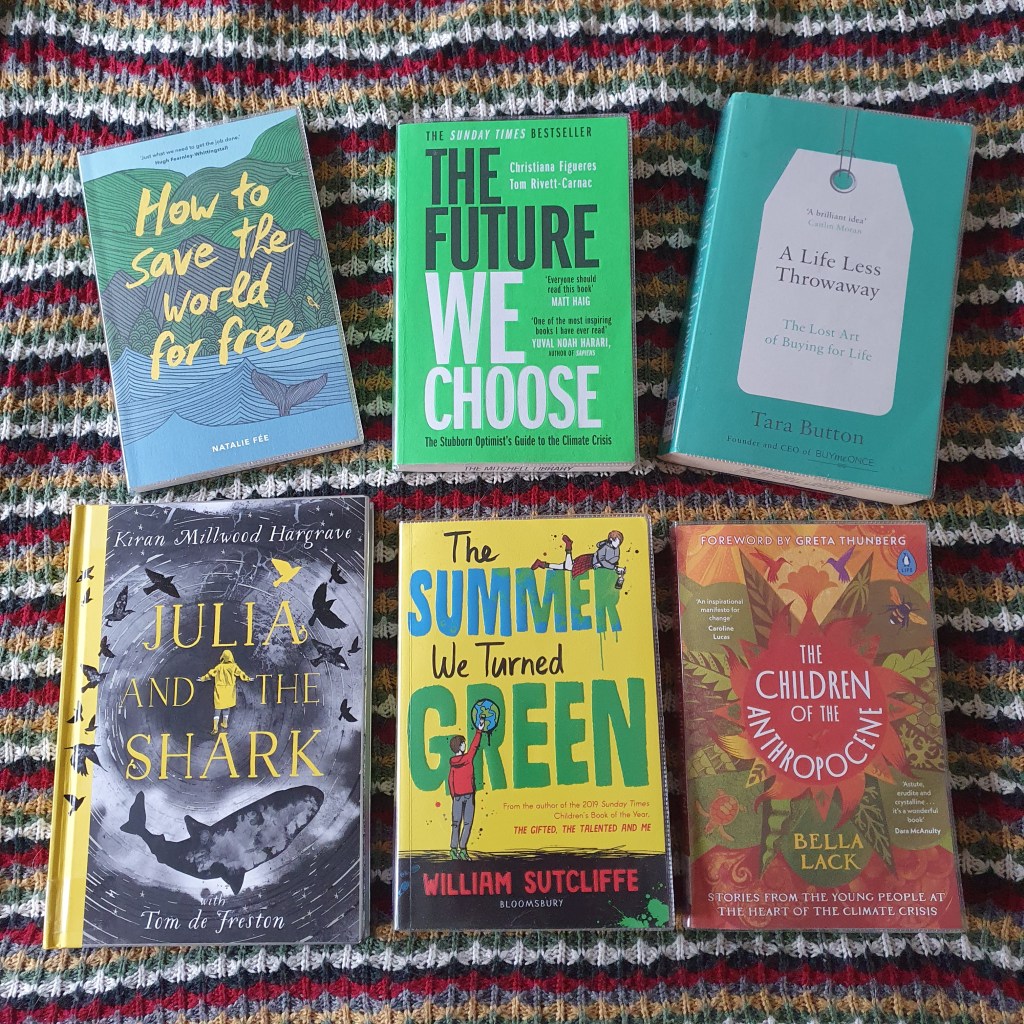
How to Save the World for Free by Natalie Fee

This is a short but practical guide on what individuals can do to reduce their harmful impact on the planet, which starts off by describing a fairly bleak picture of our current situation with polluted oceans and rivers, air and soil, rapidly rising temperatures, melting glaciers and mass extinctions. However, after setting the scene, Natalie Fee provides a really inspiring, informative and thought-provoking book that provides a much needed antidote to the doom and gloom news about the environment, reminding readers that as consumers, campaigners and voters we have the power to influence politics and corporations, but she also recognises the importance of collaboration and signsposts to other campaigns and grass roots movements to get involved with. I’m no environmental angel and I really appreciated that there’s no guilt-tripping or shaming here, and no expectation that the reader needs to adopt every single suggestion to make a difference. I was pleased that I’m already doing some of the things she suggests, but there are plenty of other suggestions that I hadn’t considered, and I found this a quick, practical read that left me feeling motivated and inspired.

The Future We Choose by Christiana Figueres and Tom Rivett-Carnac

This is quite a different book from others that I’ve read on climate change and environmentalism, and if I’m honest I found it a bit disappointing as it focuses on the mindset of stubborn optimism that will be required if we want to prevent the worst case scenario and create a greener world. The writers argue that we need to overcome our sense of helplessness, but I found this book a bit vague and idealistic as most of the practical suggestions such as flying and driving less, eating less meat and diary, switching to renewable energy tariffs and planting trees are already well known, and this still overestimates the individual’s carbon footprint when we also need governments, businesses and fossil fuel companies to reduce their emissions and move away from fossil fuels to greener technology and solutions.

A Life Less Throwaway by Tara Button

A Life Less Throwaway is another practical guide about reducing our consumption by learning to resist manipulative marketing ploys but also learning to take care of items we already own instead of accepting planned obsolescence, upgrades and seasonal trends as the norm and campaigning for more durable products. I really enjoyed the first half of the book that covers the history of advertising, when and why disposable products became normalised, and it’s a surprisingly fun read with lots of exercises to help the reader identify their own style and values to develop a bit of immunity to advertising. The second half fell into more familiar territory covering minimalism, decluttering, make do and mend, as well as a few recommendations for products made with durability in mind. A Life Less Throwaway is another informative and practical guide on how to tackle over-consumption and reduce waste that I thoroughly enjoyed.

Julia and the Shark by Kiran Millwood Hargrave

A gripping children’s story and the second book that’s been shortlisted for the Wainwright’s Children’s Prize that I’ve read this year (the other was October, October reviewed here) about a young girl called Julia who moves from her home in Cornwall to a lighthouse in Shetland with her scientist parents for a summer. While Julia’s dad attempts to automate the lighthouse, Julia’s quirky mum becomes increasingly obsessed with finding a Greenland shark that could provide a cure for Alzheimers and dementia, and Julia is left to entertain herself. Julia and the Shark is such a poignant story about a child navigating new friendships and bullying, nature and conservation, mental health and learning that her parents are neither perfect nor infallible.

The Summer We Turned Green by William Sutcliffe

After some of the heavier books I’d read this month, The Summer We Turned Green turned out to be a comparitively light hearted, amusing and hopeful read about a seemingly ordinary British family that find themselves on the frontlines of a climate protest when the opposite side of their street is marked for demolition to expand an airport. I really loved the family dynamics at the heart of this story, but also the optimistic message about NIMBYs and climate protesters overcoming their prejudices, uniting towards a shared purpose and creating a little community together.

Children of the Anthropocene by Bella Lack

In Children of the Anthropocene, youth activist Bella Lack attempts to give a voice to young people’s experience of pollution and climate change across the world. It is at times uncomfortable to read about the plastic pollution poisoning oceans, rivers, landscapes, birds, fish and animals, but this manages to strike a balance by highlighting young people across the world all participating in different forms of activism and conservation from cleaning beaches and planting trees to challenging governments in courts. I found this so inspiring and thought-provoking and really informative as it covers such a wide range of topics from reducing consumption, slow travel, how educating women can reduce climate change, rewilding, ecocide and ecological blindness, and intersectional environmentalism. I loved the manifesto with practical tips at the end of each chapter and really appreciated how broad Lack’s definition of activism is.

Have a lovely week. X

July Reading Wrapup

July was a slightly slower month for reading, but a good one with lots of thoughtful books.

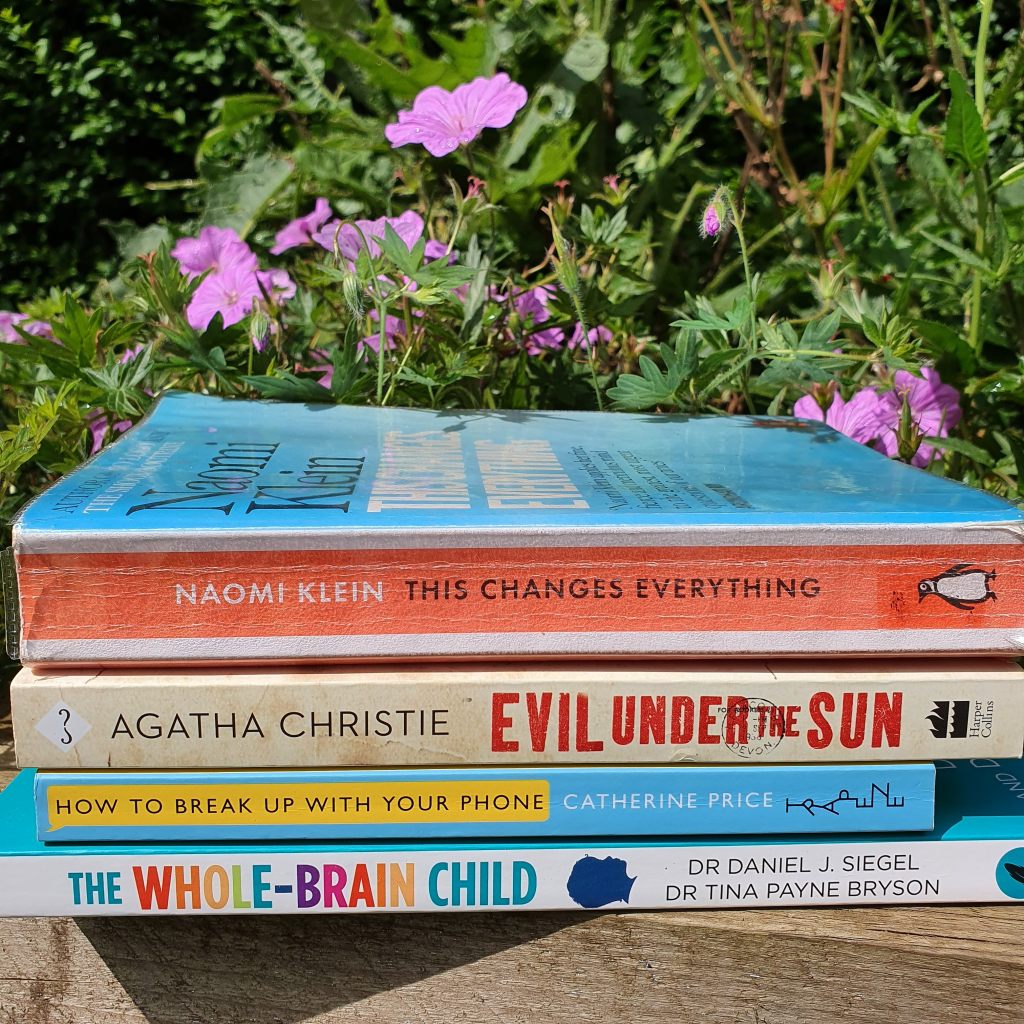
The Whole Brain Child by Dr Daniel J. Siegal and Dr Tina Payne Bryson

I’ve read a few parenting books this year, and I tend to prefer those that are underpinned by a solid understanding of child development. The Whole Brain Child is written by a psychologist and a neuroscientist, and seeks to help parents understand what different parts of a child’s brain do and how to integrate them to work together. I struggled to understand parts of this at times and may need to reread it to get a better grip on some of the concepts, and I also felt this was aimed at children older than my own daughter but there’s really helpful cribsheets at the back that describe how to apply each strategy for different age ranges.

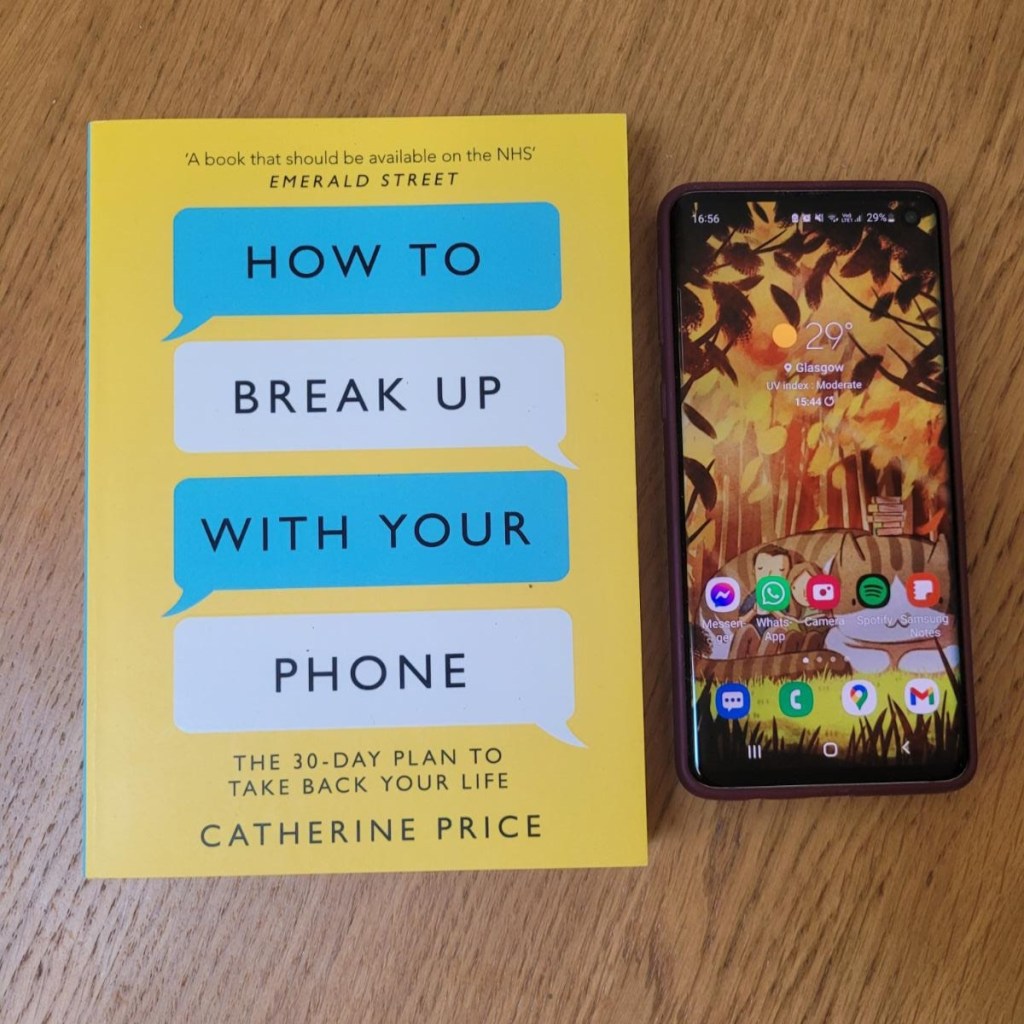
How to Break Up with Your Phone by Catherine Price

I attempted to read How to Break Up With Your Phone in 2020, but given how dependent we were on technology to keep in contact with family and friends during long periods of lockdown, it just didn’t seem like the right time. Picked it up again recently as I still want to reduce the amount of time I spend staring at a screen, and this really helped me to achieve my goal. The first half of the book focuses on explaining how and why smart phones, the internet and social media are so addictive, and how they are rewiring our brains, as well as making us more distracted, stressed, depressed and tired. The second half of the book gives practical advice and a 30 day detox plan on how to break our phone habits and create a healthier relationship with our phones. One of the aspects I really liked about this is that Price recognises how useful phones can be helping us with a variety of tasks from banking and navigation to camera and keeping in contact with others, so she doesn’t advocate getting rid of our smart phones altogether, just creating boundaries around their use to help us save time, improve our relationships and end the constant state of distraction many of us are stuck in. I haven’t followed the plan exactly but it’s full of useful advice from buying an alarm clock and changing where you charge your phone to installing an app blocker, and understanding why (curiosity, boredom and loneliness, etc)
we reach for our phones in the first place.

Evil Under The Sun by Agatha Christie

Set on a secluded island off the coast of Devon, Hercule Poirot is on holiday when he finds himself investigating the murder of the seductive actress Arlena Stuart. There’s no shortage of suspects with motives and plenty of red herrings along the way. I loved this story until the reveal in the last couple of chapters, but felt a bit cheated as it’s a clever mystery and solving it relies on a key peice of information that isn’t uncovered until near the end, but Evil Under the Sun is still a thoroughly gripping whodunit.

This Changes Everything by Naomi Klein

A comprehensive book about how climate change and capitalism are intertwined. Split into three parts, the first part considers how we ended up in our current situation, from the invention of the steam engine and the Industrial Revolution through to neoliberalism, deregulation and free market economy, covering climate change denial largely funded by the fossil fuel industry, and how NAFTA and WTO undermined investment and trade in green technology, while the Kyoto Protocol and climate summits have balked at regulating or holding the biggest polluters to account over the years.
The second part considers all the ways we’ve tried to avoid reducing carbon emissions and Klein debunks carbon offsetting, pining our hopes on philanthropic billionaires who are often heavily invested in polluting industries (like Richard Branson and Bill Gates), and some of the scientific community’s frankly terrifying proposals about how to geo-engineer the climate to reduce global warming (seriously, look up sun dimming).
One of the most compelling arguments is that the same individuals and industries that are exploiting natural resources in their relentless quest for growth and profit, are also exploiting employees and customers as well as polluting the water, air and soil, and this really ties together how climate change and social justice are connected.
The final section offers more hope recounting how protests have erupted all over the world against the Keystone XL pipeline, Arctic drilling and fracking, often leading to legal challenges, moratoriums and bans. This Changes Everything is a little dated (published in 2014 when Obama was still president and before Brexit here in the UK) but it’s still informative, terrifying, inspiring and a great place to start if you’re interested in climate change or conservation.

Have a lovely week. X

June Reading WrapUp

June was a good month for reading, ticking off four books from the TBR and receiving one eagerly anticipated new release. Halfway through the year now and I’m back on track, let’s hope I can keep up the momentum and make my target by the end of the year.

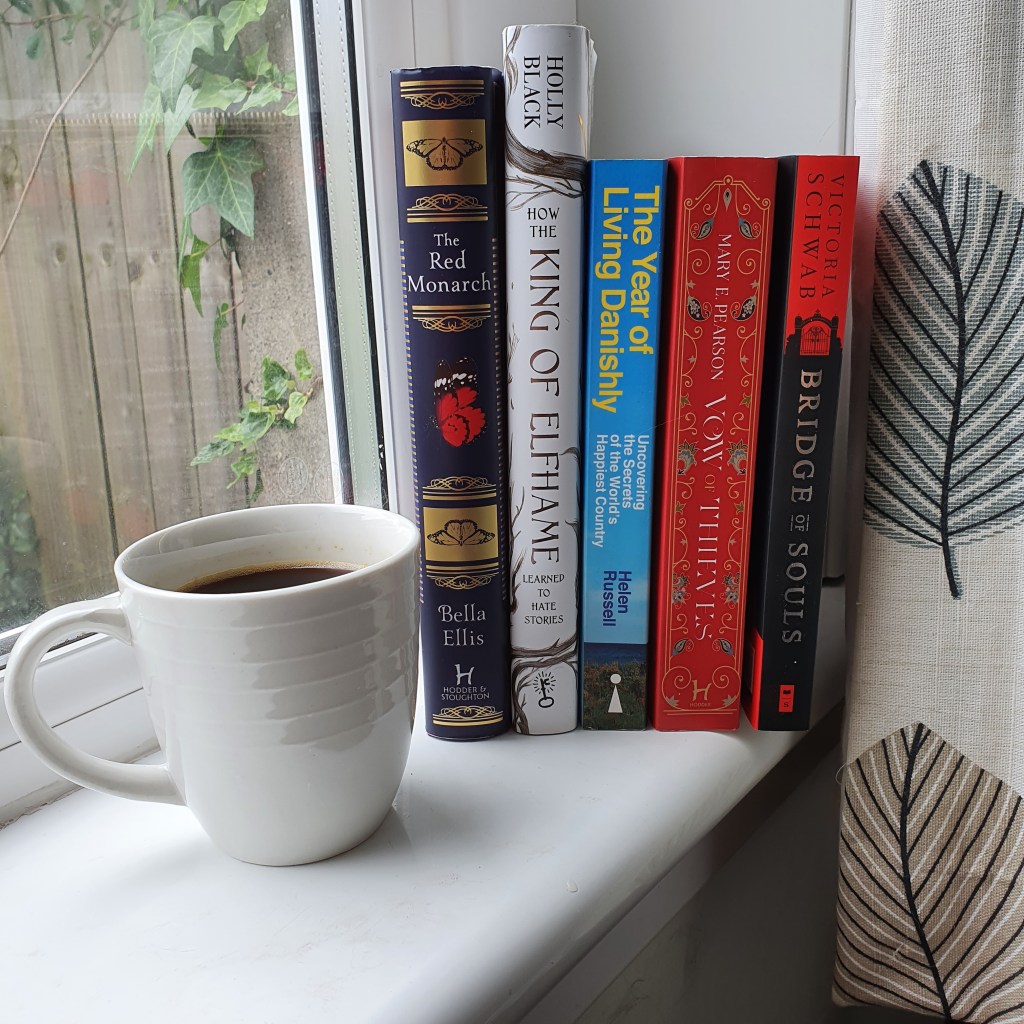
The Red Admiral by Bella Ellis

The third in the Bronte Mysteries series sees the three sisters and their brother leaving their beloved Yorkshire to help a friend living in bustling and gritty London. I love the ways this series juxtaposes the family dynamics with thrilling mysteries to solve, and always against the backdrop of Victorian society without shying away from the darker side of poverty, abuses and moral hypocrisy. The Red Admiral does cover some dark themes (CW: child trafficking and exploitation) but I thoroughly enjoyed this tense adventure with clever twists, daring deeds and an unexpected dash of romance.

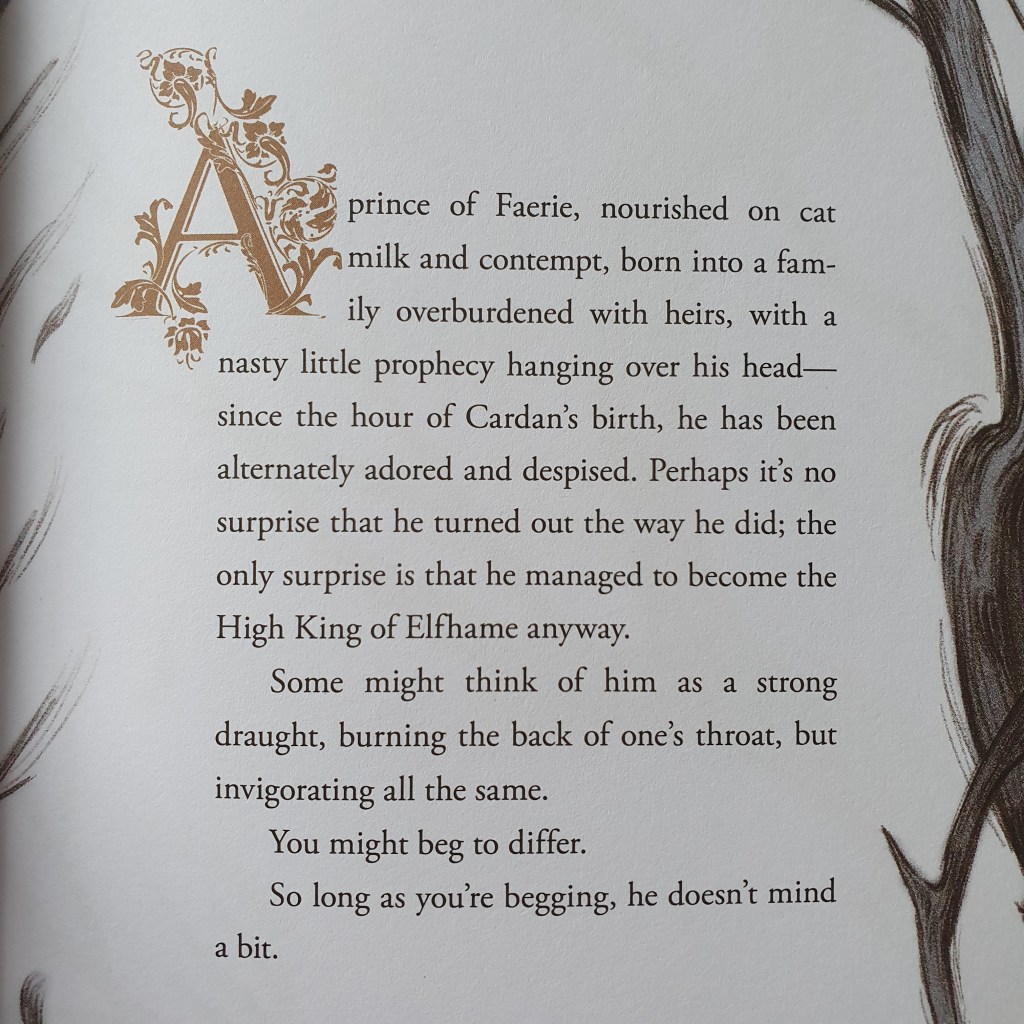
How the King of Elfhame Learned to Hate Stories by Holly Black

Last year I binge read Holly Black’s Folk of the Air trilogy, and was thoroughly captivated by the slow-burn enemies to lovers romance between Jude, a human raised by Fae, and the cruel and decadent Fae Prince Cardan. I’m usually not a fan of spin-offs but couldn’t resist the opportunity to return to this world of cunning and devious creatures to learn more about Cardan. Beautifully illustrated, How the King of Elfhame Learned to Hate Stories is an engaging addition that offers some insight into Cardan’s childhood and formative experiences, as well as a little glimpse of Cardan and Jude’s adventures after the events of the main trilogy.

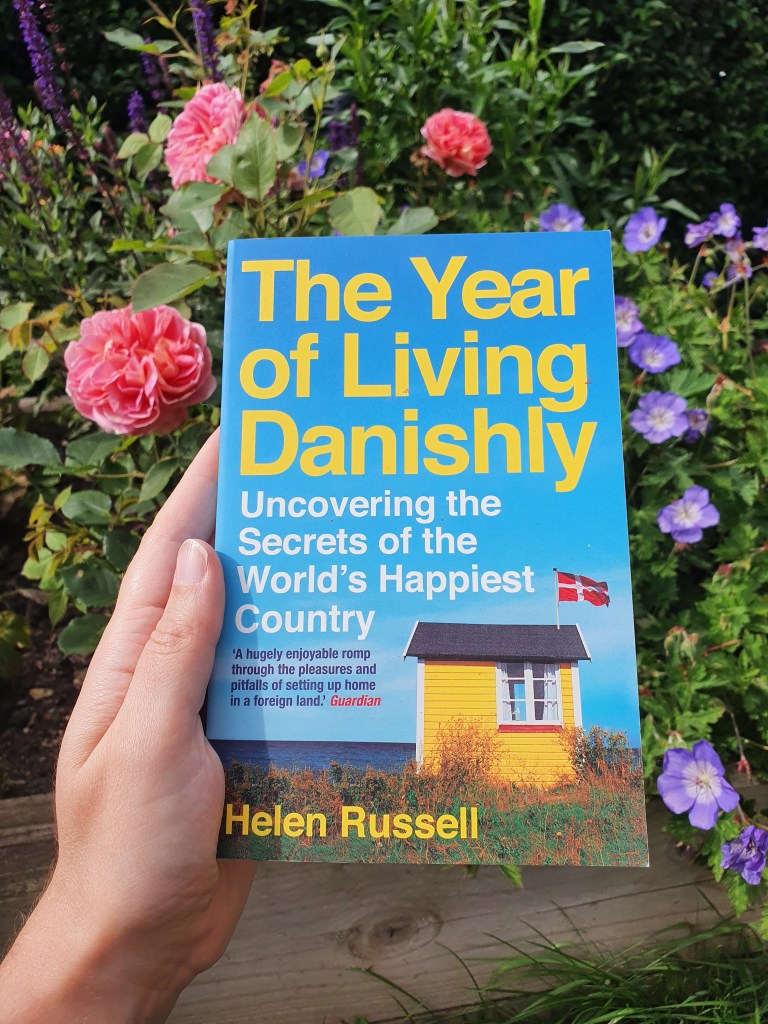
The Year of Living Danishly by Helen Russell

This one has sat on my bookshelf for a couple of years now until I was finally in the mood to read it. Helen Russell and her husband were living and working in London at a frenetic pace before he received a job offer from Lego which would mean relocating to Denmark for a year. Russell decided to use the year to start her own career as a freelance writer and undertake some investigative research into why Denmark consistently tops the world’s happiest country. The book is split into 12 chapters each covering a month of their year in Denmark and a different aspect of Danish culture and society from hygge and hobbies to childcare and taxes. It’s an enjoyable and informative read that is both positive and balanced (she doesn’t shy away from analysing the high rates of divorce, domestic violence and cancer for instance), but it’s also a record of her own personal journey as she considers her own work-life balance and infertility.

Vow of Thieves by Mary E. Pearson

Dance of Thieves was one of my Top 10 favourite reads last year, and the sequel was every bit the nail-biting, heart-pounding and romantic conclusion I was hoping for. While the first book in the duology focused on the enemies to lovers to enemies to lovers again romance between the protagonists, Kazi and Jase, the plot takes centre stage in the in sequel as the leads fight together and apart to save the little Kingdom of Tor’s Watch from an unexpected villain hellbent on revenge, destruction and domination at all costs. Vow of Thieves was tense and thrilling, and provided a very satisfying conclusion to this YA fantasy duology.

Bridge of Souls by V.E. Schwab

The third and final part of the Cassidy Blake series actually turned out to my favourite as the girl who can see ghosts after a near death experience finds herself being hunted by an Emissary of Death. One of my favourite aspects of this series has been the settings, which are wonderfully described from the architecture and history to the food, and while I was familiar with the locations of the previous two books (Edinburgh and Paris), Bridge of Souls is set in New Orleans which was new and exotic to me. Bridge of Souls is a captivating conclusion to this middle grade series full of ghosts and the occult, family and friendship.

Have a lovely week! X