Finding Hope in the Garden

Despite being the most urban-dwelling of our families, we are still a very outdoorsy family and the garden has always felt like an extension of our home.  The kids love their slide, swings and the little mud kitchen we set up under the pergola on the patio, but our little garden offers so many other opportunities for play, learning and discovery too.

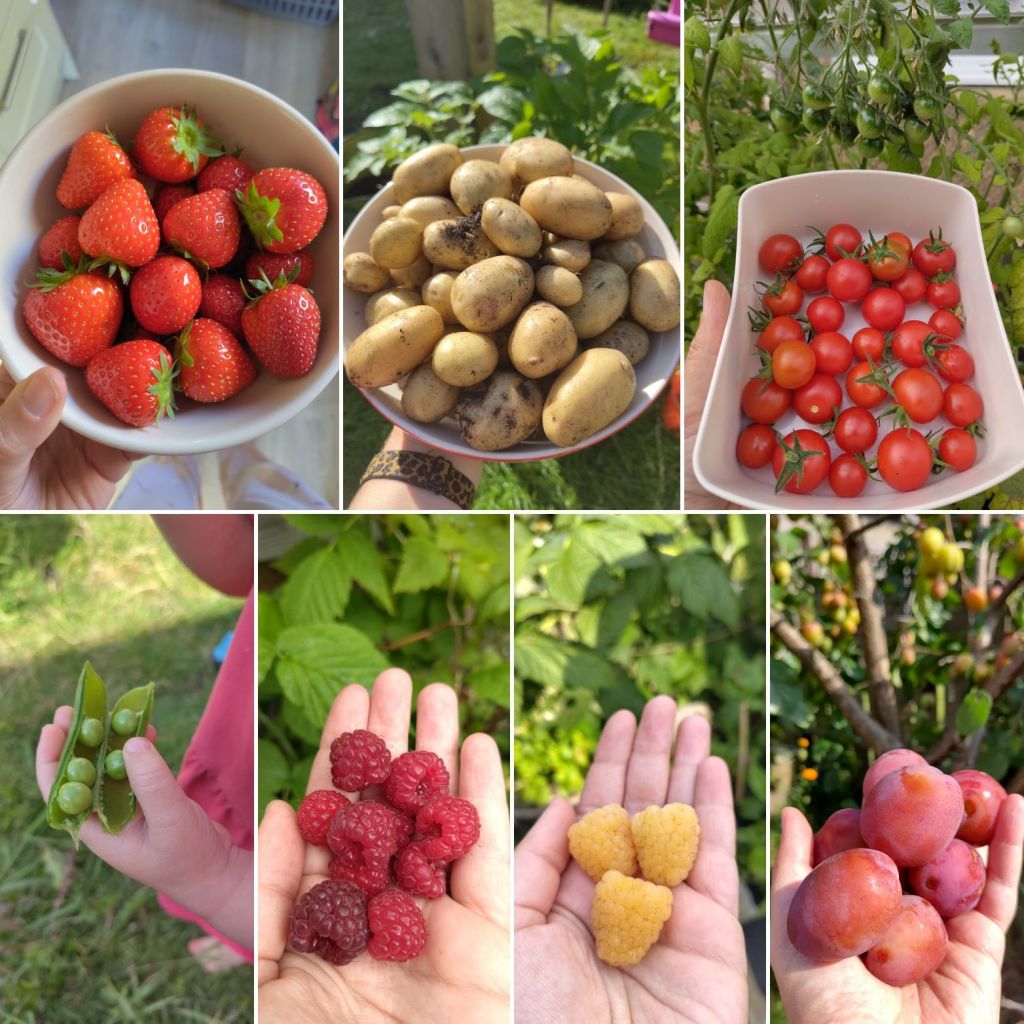
As a child, I remember the delight of picking fresh strawberries from my mum’s garden every June, and I started my own strawberry patch to share that simple joy with my own daughters. I find peas will grow almost anywhere so I plant them everywhere, and the girls love picking them fresh from the pod as a snack. We grow cherry tomatoes in the green house, which our girls also love picking as soon as they turn red. We’ll never be self-sufficient but growing some of our own fruit and vegetables is a great way of teaching our children about food production.

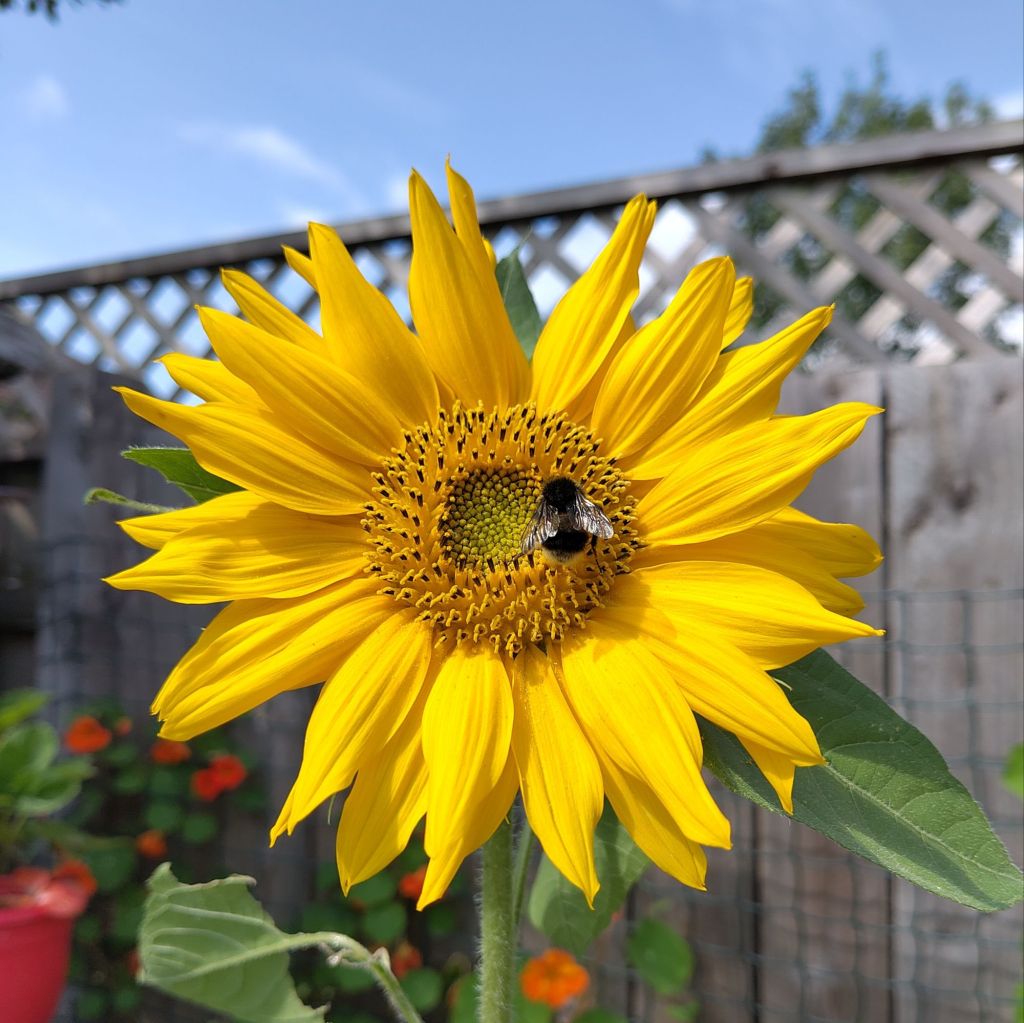
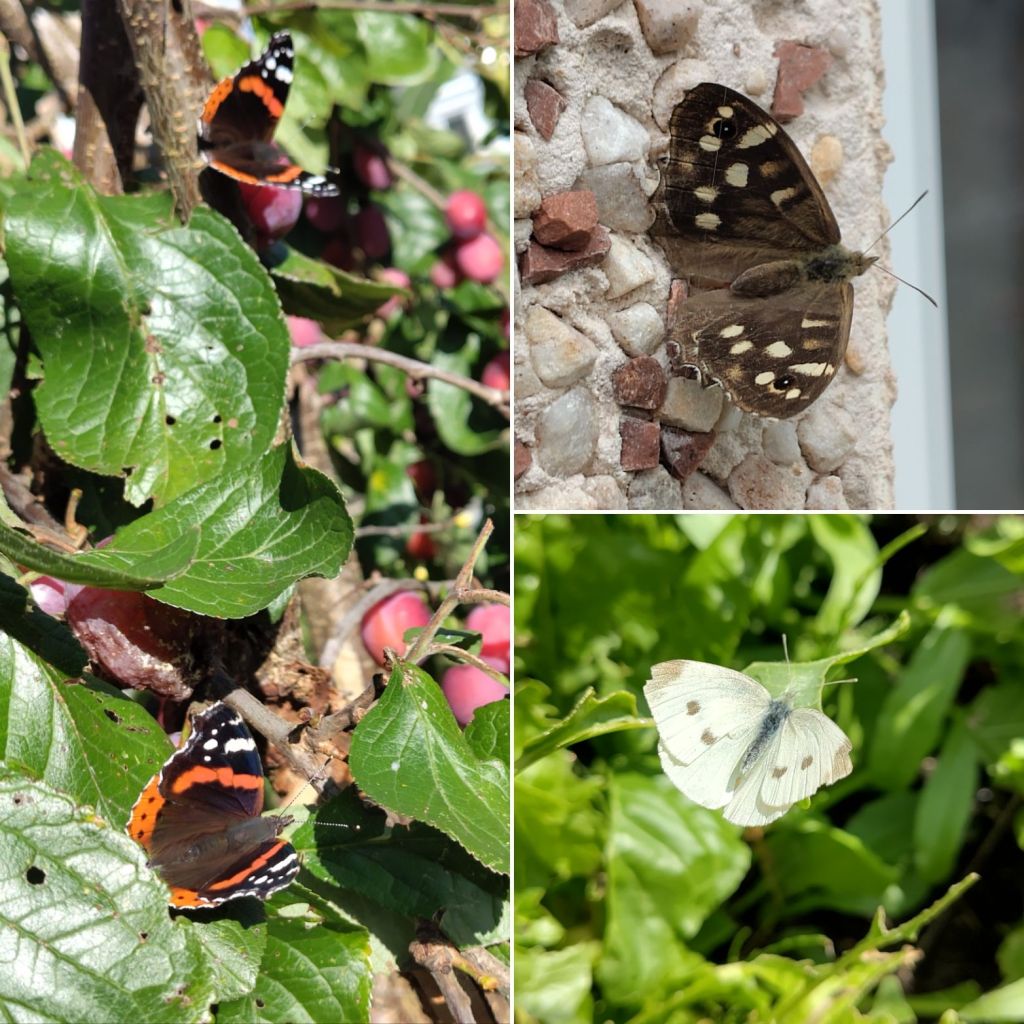
I’ve tried to make our garden as child and wildlife friendly as possible, and we’re always delighted to see bees bumbling and butterflies fluttering around the garden, as well as worms wriggling, caterpillars crawling and so many other insects just going about their daily business. At time when there is increasing alarm about the decline of insects, I like to feel we are doing our bit to help the insect population, offering them food, water and shelter, and my kids already understand that we need pollinators if we want to keep eating so many of their favourite foods like strawberries, raspberries and apples. My kids often help filling up the little trays of water we leave out for insects and birds in hot weather, as well as the bird feeders, combining their scooping and pouring skills with another lesson in taking care of nature. We’ve had lots of butterflies in the garden this year from small whites nibbling my kale and red admirals feasting on our plums.

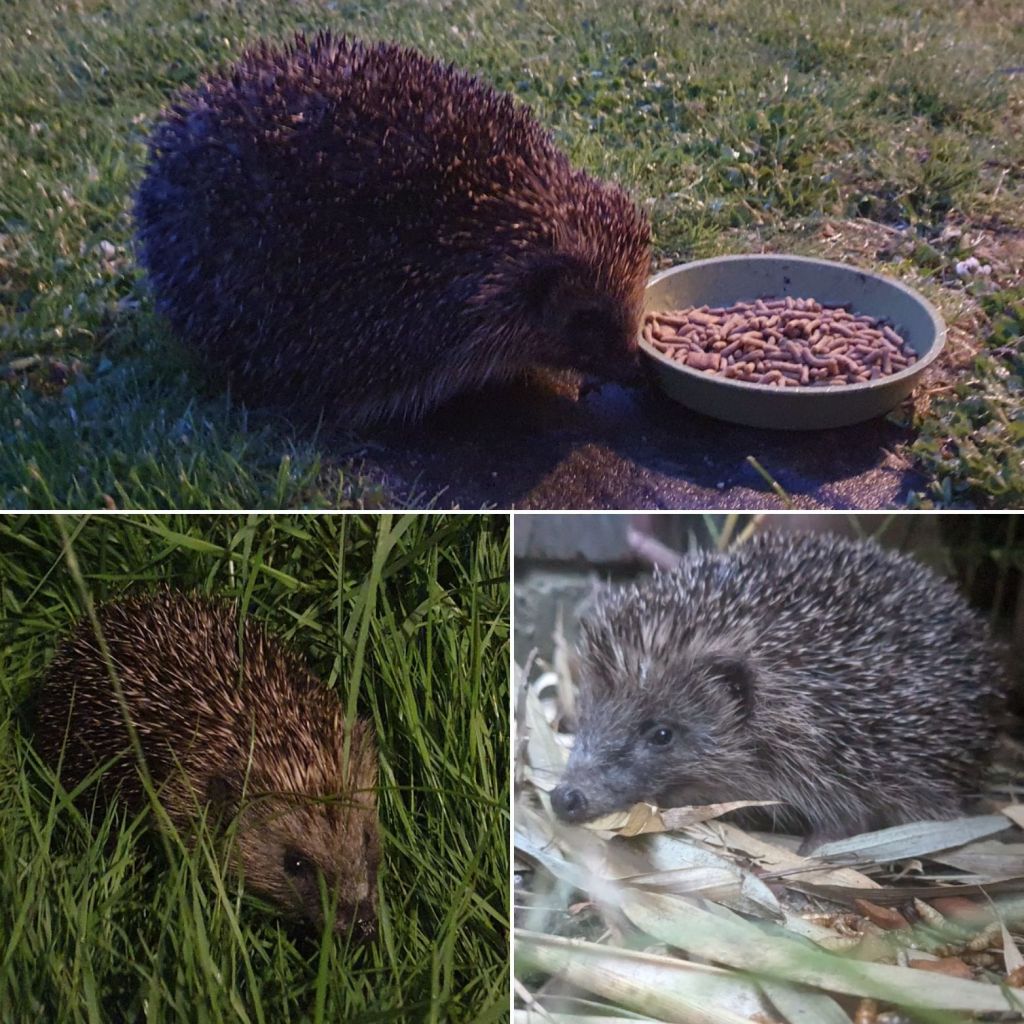
Over the years, we’ve had a few hedgehogs visiting the garden much to everyone’s delight. Last year we helped fatten up a little hoglet that found his way in over the summer before he moved on elsewhere for the winter. We haven’t seen any hedgehogs this year, but I hope they’ll find their way in again.

I know that one small garden can’t save the world, but when so many young people are struggling with climate anxiety, our garden reminds us that it’s not as hopeless as the headlines make out, that nature is abundant and generous, and that humans can live in harmony with nature. Our garden is a little sanctuary in the city where we can escape from the hustle and bustle to play, learn and grow in every sense, a place where we can enjoy the sweetness of strawberries, chase butterflies, count bees and marvel at how tiny seeds grow into tall sunflowers. 

Have a lovely week. X

August Reading Wrapup

August turned out to be a busier month than anticipated and I had less time to read than planned but enjoyed everything I did read.

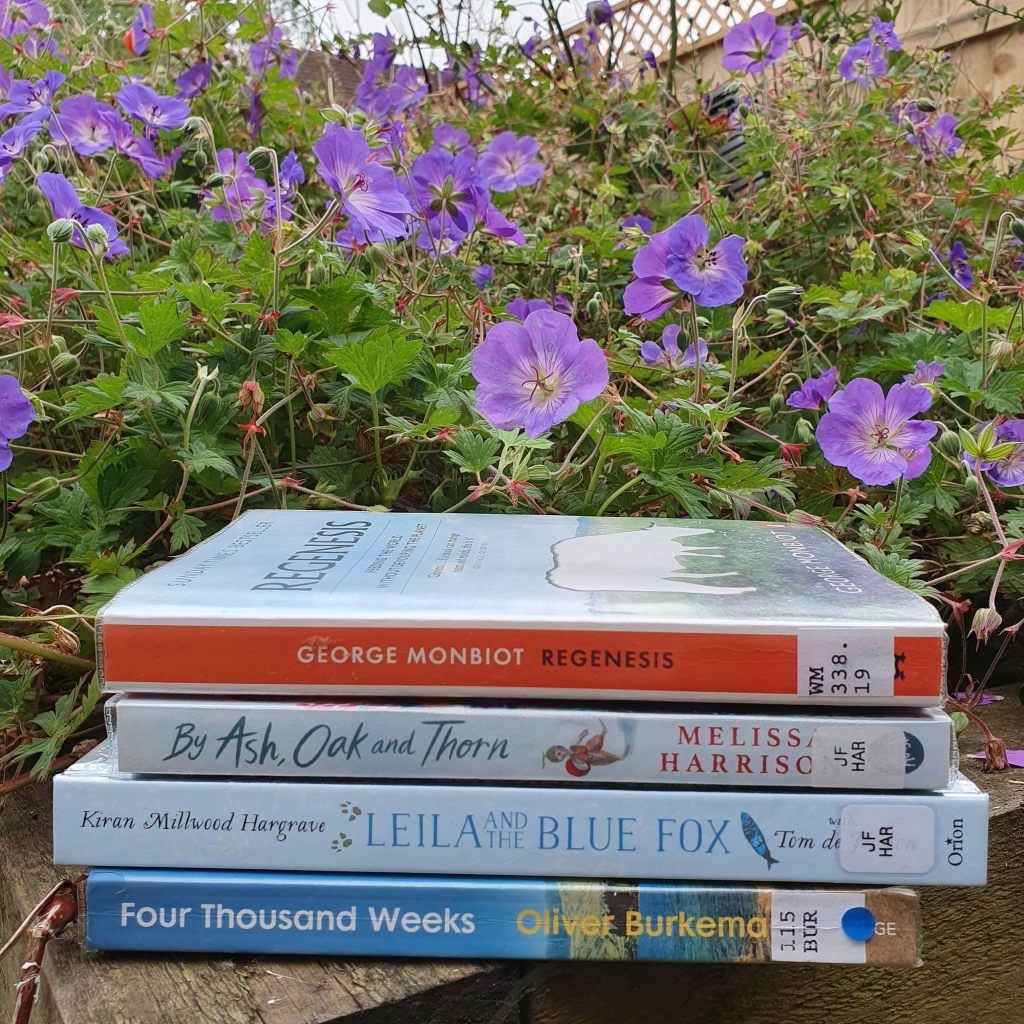
4000 Weeks: Time Management for Mortals by Oliver Burkeman

What a refreshing and thought provoking book, Burkeman starts with the idea that the average human only has 4000 weeks of life and then delves into how we spend our time. Increasingly as individuals and society we have become obsessed with productivity and consider busyness as a status symbol, trying to achieve more and more with our finite time. Burkeman argues that instead of making ourselves stressed, anxious and exhausted by our overwhelming and never ending to-do lists we should accept our limitations and focus on creating a meaningful life with the short time we have instead. Having spent my 20s and 30s treating significant milestones and achievements like items on a shopping list, this book really resonated with me as I try to balance the competing demands of my young children with my aging parents, career and hobbies.

Leila and the Blue Fox by Kiran Millwood Hargrave

I have not stopped thinking about Julia and The Shark (reviewed here) since I read it last year, and this spiritual sequel did not disappoint. Leila and the Blue Fox is a poignant and thought-provoking story about a Syrian refugee, Leila, trying to reconnect with her mother, who left her in London, while she went to study animal migration due to climate change. The story of their incredible journey across the Arctic as they follow one determined little fox weaves so many pertinent themes from climate change to animal and human migration as well as families and friendships, this will undoubtedly be one of my end of year favourites.

By Ash, Oak and Thorn by Melissa Harrison

A charming children’s story about three little Hidden Folk (Moss, Burnett and Cumulus) who are all living in a garden after being displaced from their wildflower meadow, forest and pond by humans, when they are forced to embark on an unexpected quest to find others of their kind. This story is reminiscent of The Hobbit and The Borrowers but full of little lessons about nature, conservation and friendship. Whimsical, charming and poignant, though the ending felt like a rushed prelude to the next book.

Regenesis by George Monbiot

A fascinating critique of farming and the challenges of trying of feed 6 billion people without wrecking the planet. Monbiot starts by taking an unflinching look at some of the common practices in farming such as the use of pesticides, herbicides, fertiliser, genetic engineering of crops, the use of antibiotics, the spread of manure and the amount of land required to grow crops to feed livestock, and their impact on the environment, both local and global. He then considers the alternatives from (live)stockfree organic farming, reducing food waste and food redistribution through food banks, no till farming, perennial cereals like Kernza wheat and PR23 rice, and the development of microbial proteins (and other alternatives to meat). An interesting book about food production with some unflinching criticisms of current agricultural methods and some pragmatic alternatives for the future.

An Oasis in the Urban Desert

Last summer, my interest in environmental issues peaked during the heatwave and I was alarmed to learn that the UK is one of the most nature depleted landscapes in the world. I’ve always been someone who believes that small actions matter and we gardeners have the ability to make a real difference to support wildlife and biodiversity.

One suggestion that came up again and again was adding a water feature to the garden. I have fond memories of watching tadpoles, frogs and dragonflies in my best friend’s pond as a child, and thought a pond would be a lovely feature to add to our own garden.

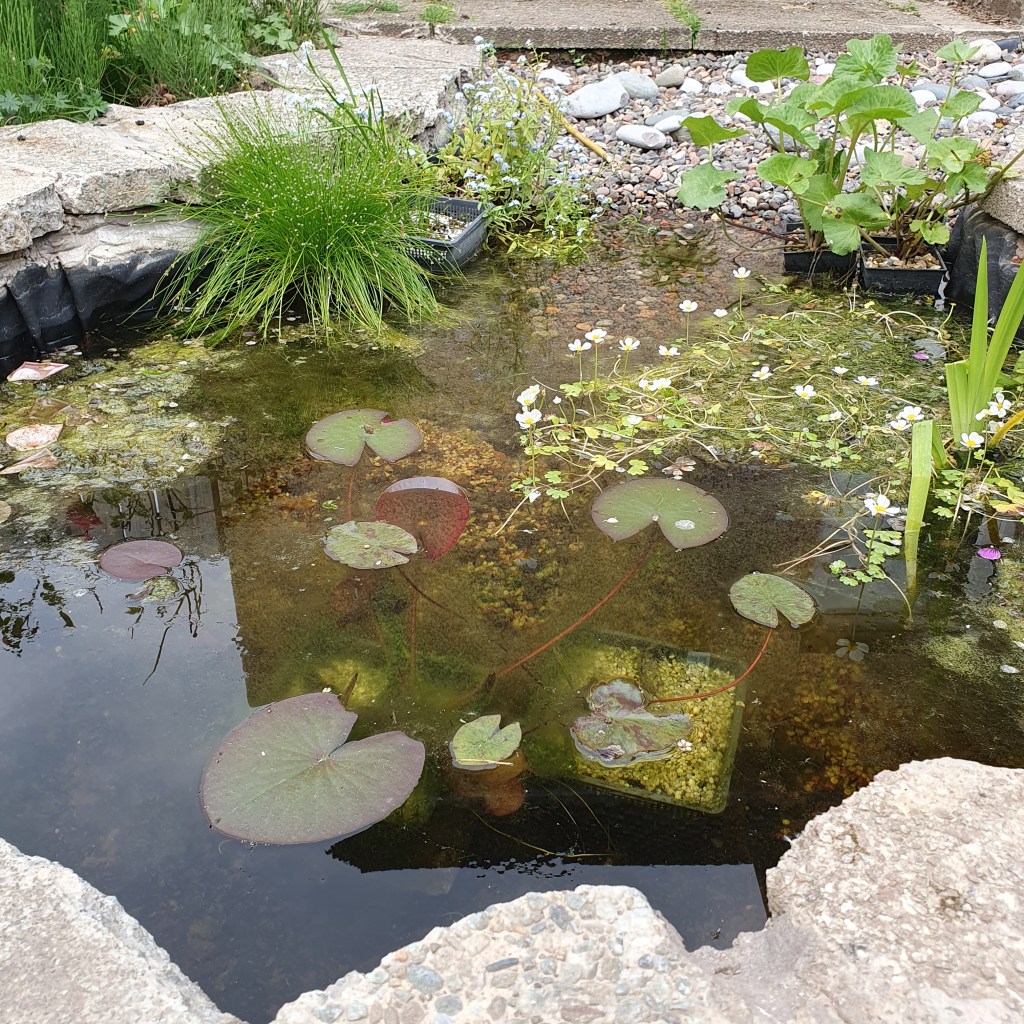
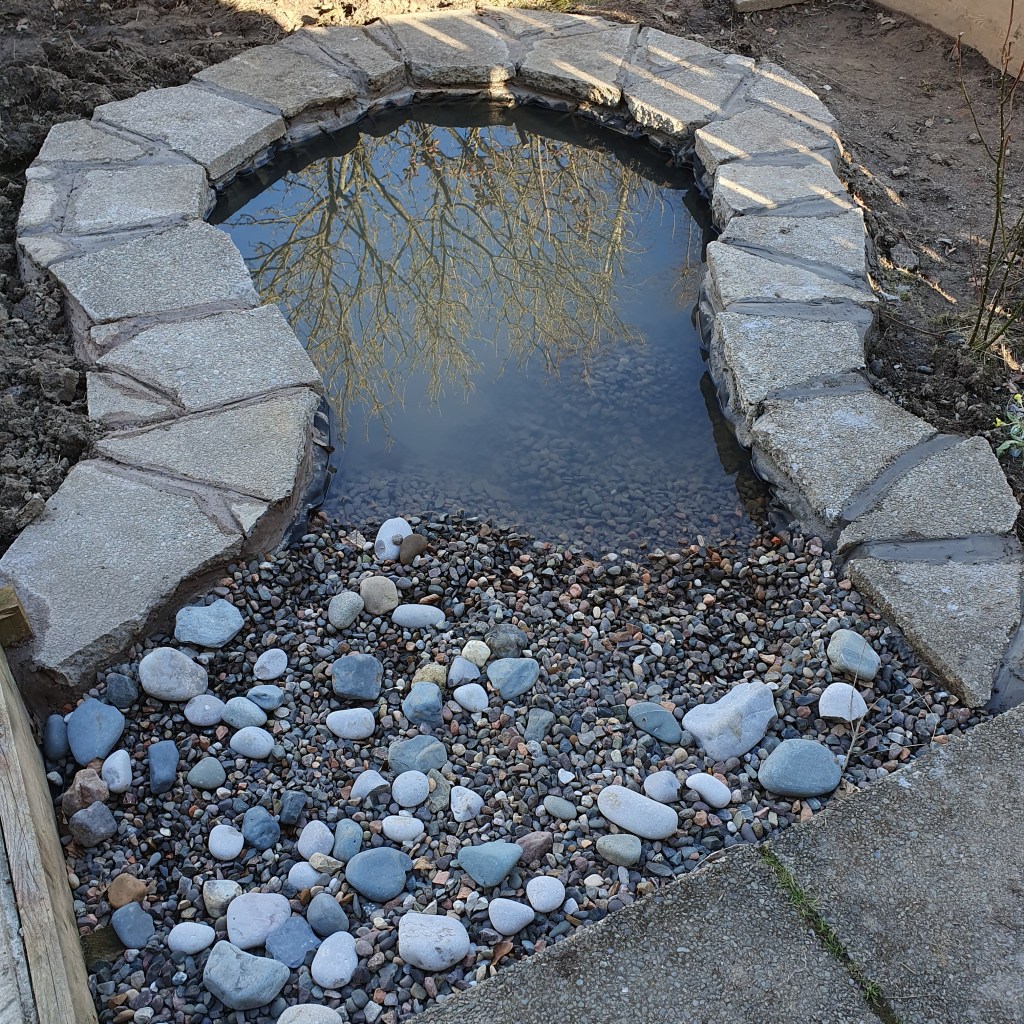
We decided to put the pond in the front garden as it seemed safer for the kids as they’re never out the front unsupervised. We (or rather my hubby and father-in-law) dug out the pond, put in a liner and part filled with the hose, and then cemented crazy paving around the edge. It’s about 60cm deep at the deepest point with a shelf at 30cm and a gradual slope up to a wide pebble beach to prevent any animals from drowning.

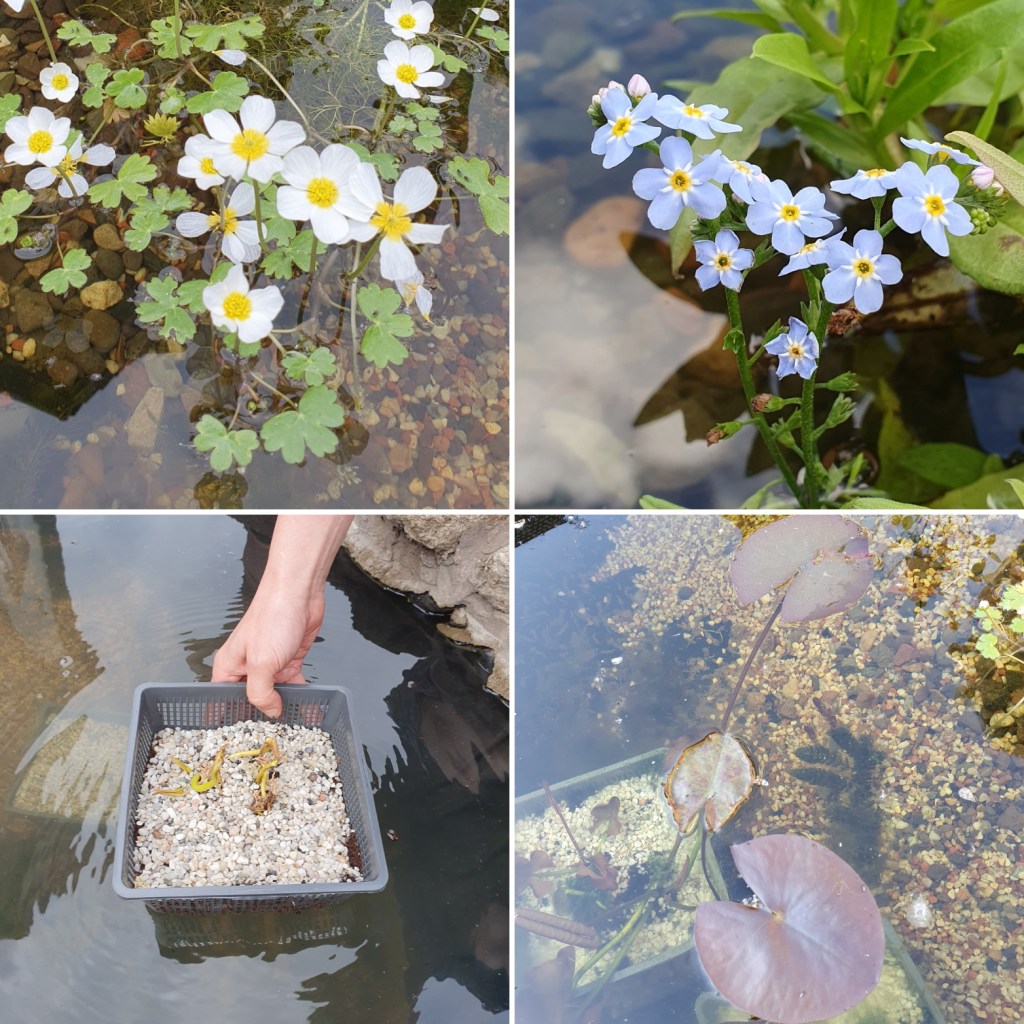
I’ve been filling the pond with plants, Hornwort and water crowfoot as oxygenators, then water forget-me-nots, flag iris and Marsh marigolds as marginals. We’ve also submerged a couple of water lillies in the deepest part of the pond, but I’m prioritising native plants to attract wildlife.

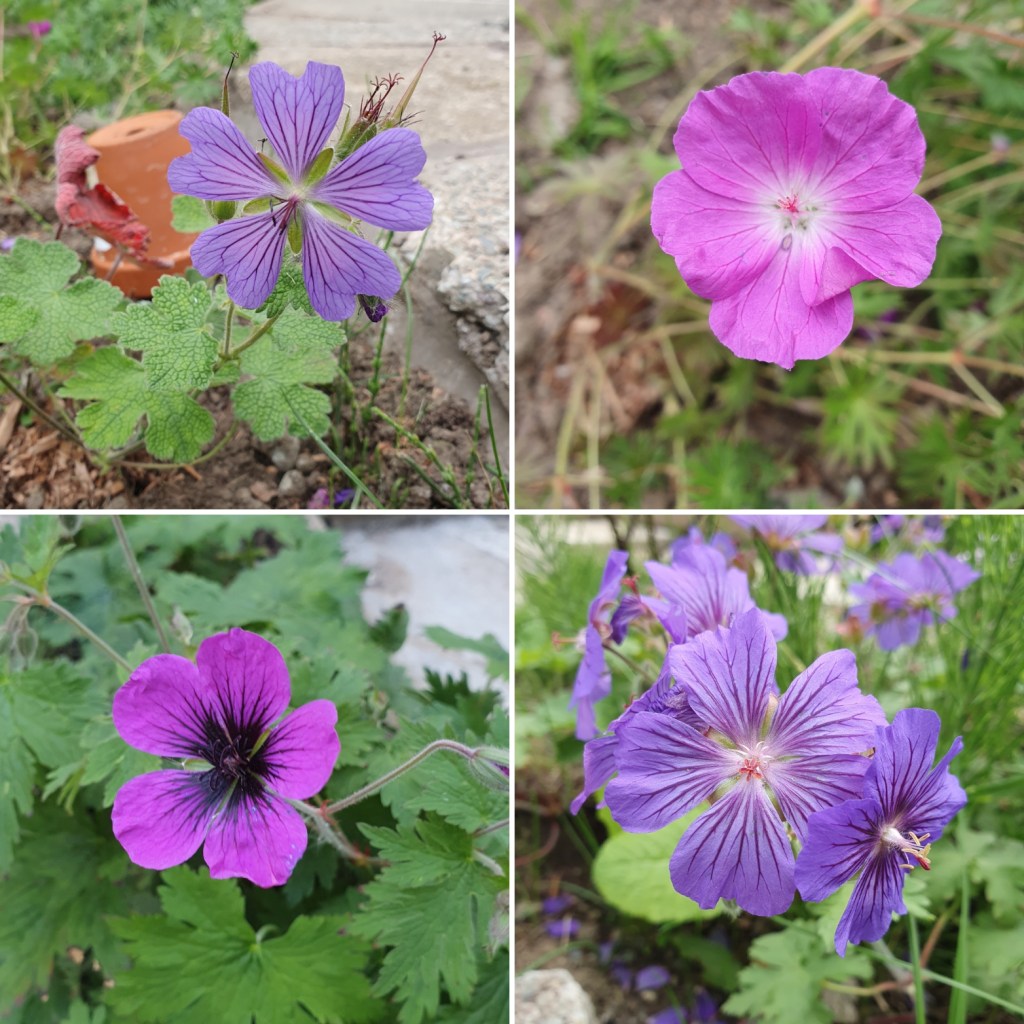
Cranesbill or hardy geraniums are my favourite perennial, so they were my first choice for planting around the pond to soften the edges, provide shelter for critters and food for pollinators. I relocated dragonheart from the long border in the back garden to the edge of the pond, along with a blue geranium I picked up years ago that has been living in a pot while I tried to find a permanent home for it, and added a few more that I bought from a local nursery.

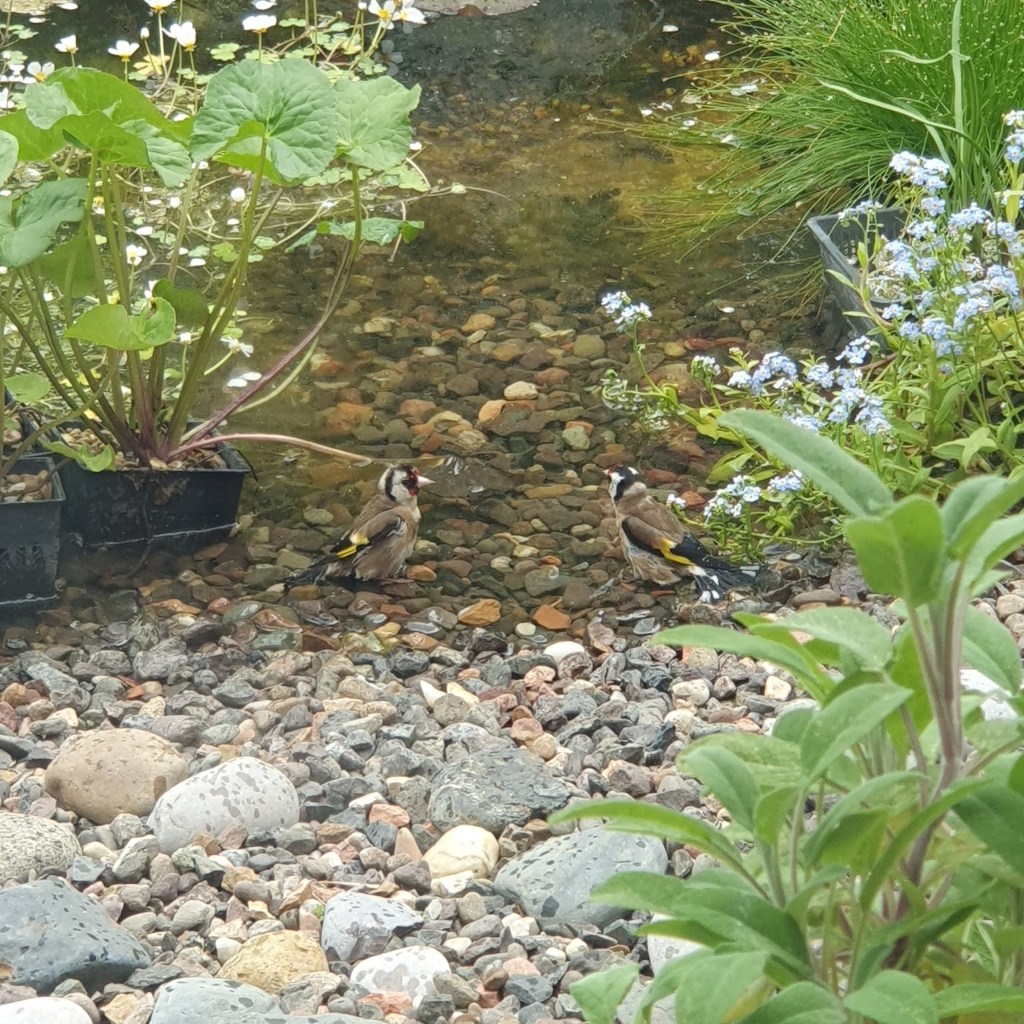
I’ve always taken a “build it and they will come” approach to coaxing wildlife to our garden, and been rewarded when birds, insects and animals have found their way here. We all trooped out in our Pyjamas one evening after I’d spotted a pond skater, and my husband found diving beetles a few days later. It made my day when I spotted a pair of goldfinches bathing in the shallows as we’ve never had them in the garden before.

We’ve had a prolonged spell of dry, hot weather, leading to water scarcity warnings (very rare in Scotland!) and we’ve seen the pond water level dropping, and algae spreading. Nevertheless, I hope that over the summer our pond will be a little oasis in the urban desert for wildlife. Have a lovely week. X

August Reading Wrapup

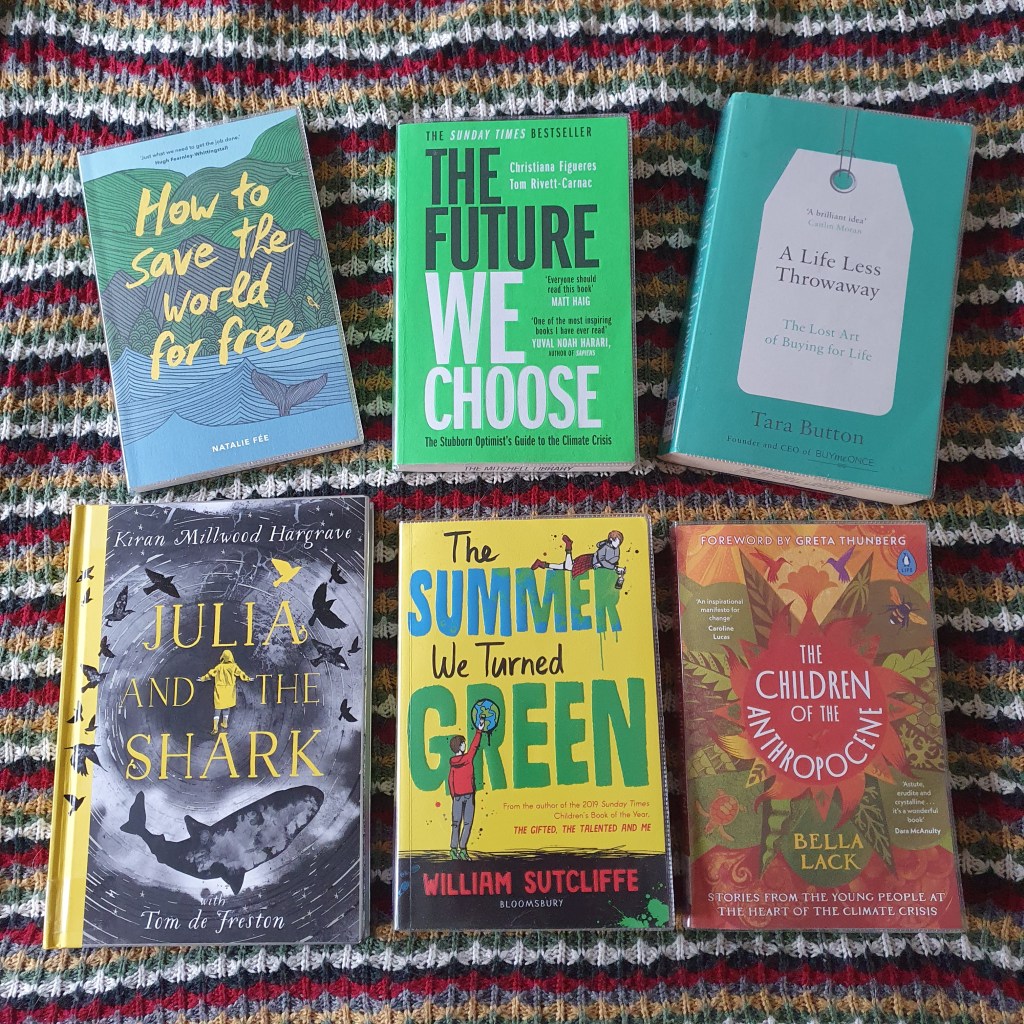
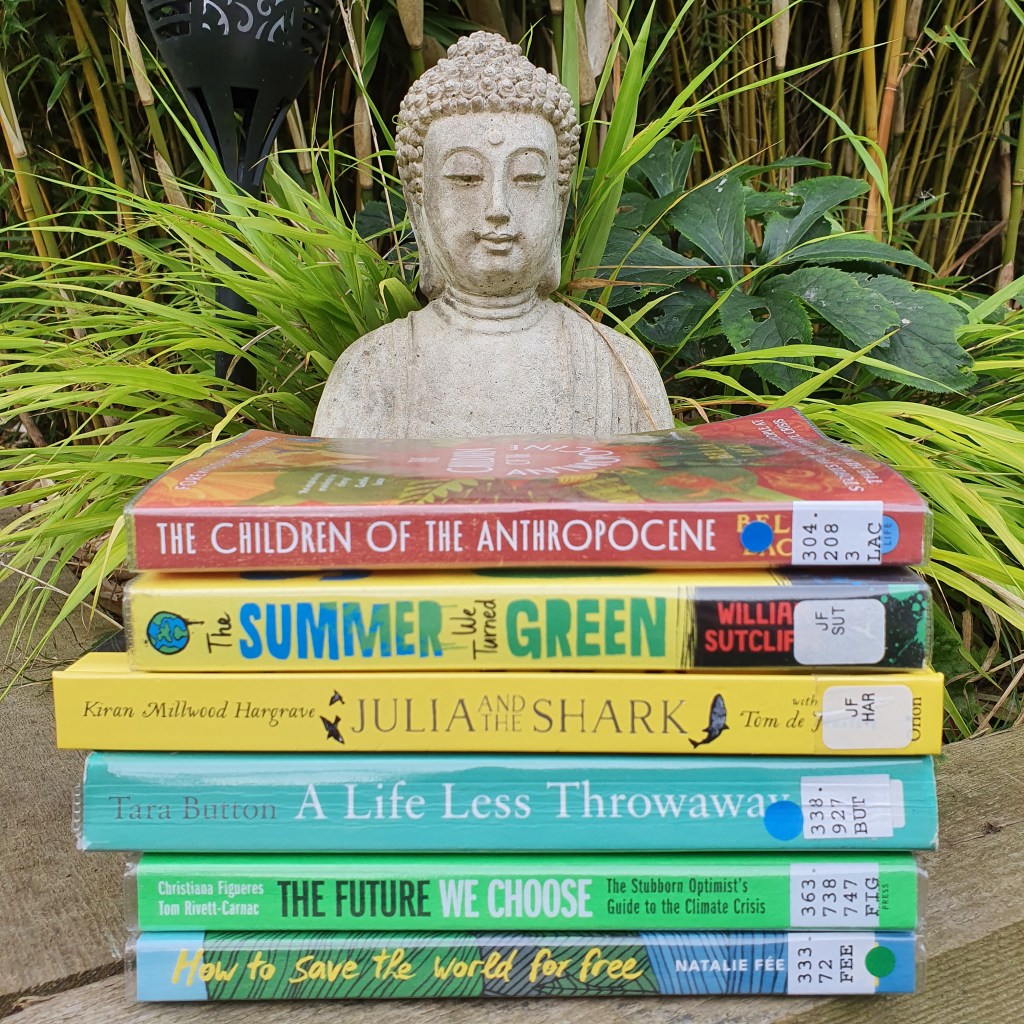
All the books I read in August were borrowed from the library, and all were on environmental themes from how to reduce the amount of pollution (especially plastic) we produce and consume less to nature and conservation.

How to Save the World for Free by Natalie Fee

This is a short but practical guide on what individuals can do to reduce their harmful impact on the planet, which starts off by describing a fairly bleak picture of our current situation with polluted oceans and rivers, air and soil, rapidly rising temperatures, melting glaciers and mass extinctions. However, after setting the scene, Natalie Fee provides a really inspiring, informative and thought-provoking book that provides a much needed antidote to the doom and gloom news about the environment, reminding readers that as consumers, campaigners and voters we have the power to influence politics and corporations, but she also recognises the importance of collaboration and signsposts to other campaigns and grass roots movements to get involved with. I’m no environmental angel and I really appreciated that there’s no guilt-tripping or shaming here, and no expectation that the reader needs to adopt every single suggestion to make a difference. I was pleased that I’m already doing some of the things she suggests, but there are plenty of other suggestions that I hadn’t considered, and I found this a quick, practical read that left me feeling motivated and inspired.

The Future We Choose by Christiana Figueres and Tom Rivett-Carnac

This is quite a different book from others that I’ve read on climate change and environmentalism, and if I’m honest I found it a bit disappointing as it focuses on the mindset of stubborn optimism that will be required if we want to prevent the worst case scenario and create a greener world. The writers argue that we need to overcome our sense of helplessness, but I found this book a bit vague and idealistic as most of the practical suggestions such as flying and driving less, eating less meat and diary, switching to renewable energy tariffs and planting trees are already well known, and this still overestimates the individual’s carbon footprint when we also need governments, businesses and fossil fuel companies to reduce their emissions and move away from fossil fuels to greener technology and solutions.

A Life Less Throwaway by Tara Button

A Life Less Throwaway is another practical guide about reducing our consumption by learning to resist manipulative marketing ploys but also learning to take care of items we already own instead of accepting planned obsolescence, upgrades and seasonal trends as the norm and campaigning for more durable products. I really enjoyed the first half of the book that covers the history of advertising, when and why disposable products became normalised, and it’s a surprisingly fun read with lots of exercises to help the reader identify their own style and values to develop a bit of immunity to advertising. The second half fell into more familiar territory covering minimalism, decluttering, make do and mend, as well as a few recommendations for products made with durability in mind. A Life Less Throwaway is another informative and practical guide on how to tackle over-consumption and reduce waste that I thoroughly enjoyed.

Julia and the Shark by Kiran Millwood Hargrave

A gripping children’s story and the second book that’s been shortlisted for the Wainwright’s Children’s Prize that I’ve read this year (the other was October, October reviewed here) about a young girl called Julia who moves from her home in Cornwall to a lighthouse in Shetland with her scientist parents for a summer. While Julia’s dad attempts to automate the lighthouse, Julia’s quirky mum becomes increasingly obsessed with finding a Greenland shark that could provide a cure for Alzheimers and dementia, and Julia is left to entertain herself. Julia and the Shark is such a poignant story about a child navigating new friendships and bullying, nature and conservation, mental health and learning that her parents are neither perfect nor infallible.

The Summer We Turned Green by William Sutcliffe

After some of the heavier books I’d read this month, The Summer We Turned Green turned out to be a comparitively light hearted, amusing and hopeful read about a seemingly ordinary British family that find themselves on the frontlines of a climate protest when the opposite side of their street is marked for demolition to expand an airport. I really loved the family dynamics at the heart of this story, but also the optimistic message about NIMBYs and climate protesters overcoming their prejudices, uniting towards a shared purpose and creating a little community together.

Children of the Anthropocene by Bella Lack

In Children of the Anthropocene, youth activist Bella Lack attempts to give a voice to young people’s experience of pollution and climate change across the world. It is at times uncomfortable to read about the plastic pollution poisoning oceans, rivers, landscapes, birds, fish and animals, but this manages to strike a balance by highlighting young people across the world all participating in different forms of activism and conservation from cleaning beaches and planting trees to challenging governments in courts. I found this so inspiring and thought-provoking and really informative as it covers such a wide range of topics from reducing consumption, slow travel, how educating women can reduce climate change, rewilding, ecocide and ecological blindness, and intersectional environmentalism. I loved the manifesto with practical tips at the end of each chapter and really appreciated how broad Lack’s definition of activism is.

Have a lovely week. X

July Reading Wrapup

July was a slightly slower month for reading, but a good one with lots of thoughtful books.

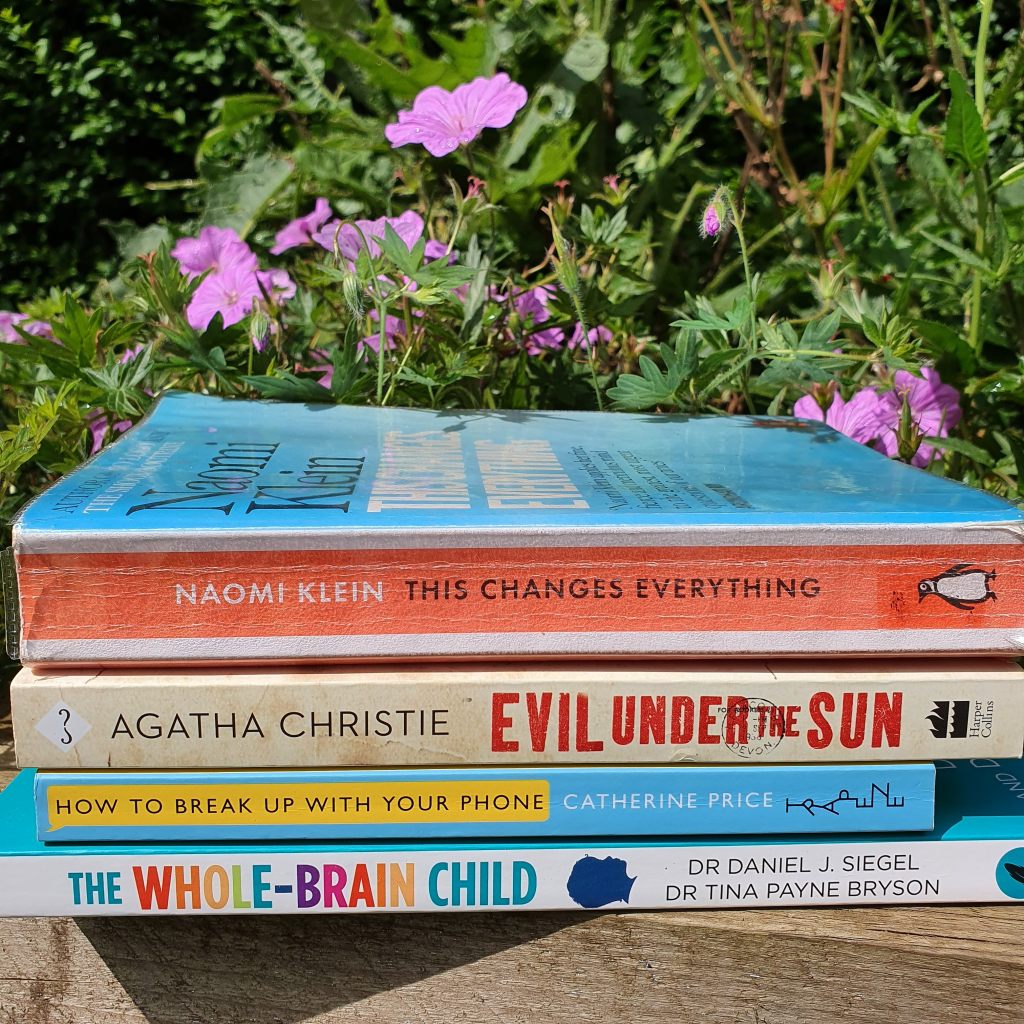
The Whole Brain Child by Dr Daniel J. Siegal and Dr Tina Payne Bryson

I’ve read a few parenting books this year, and I tend to prefer those that are underpinned by a solid understanding of child development. The Whole Brain Child is written by a psychologist and a neuroscientist, and seeks to help parents understand what different parts of a child’s brain do and how to integrate them to work together. I struggled to understand parts of this at times and may need to reread it to get a better grip on some of the concepts, and I also felt this was aimed at children older than my own daughter but there’s really helpful cribsheets at the back that describe how to apply each strategy for different age ranges.

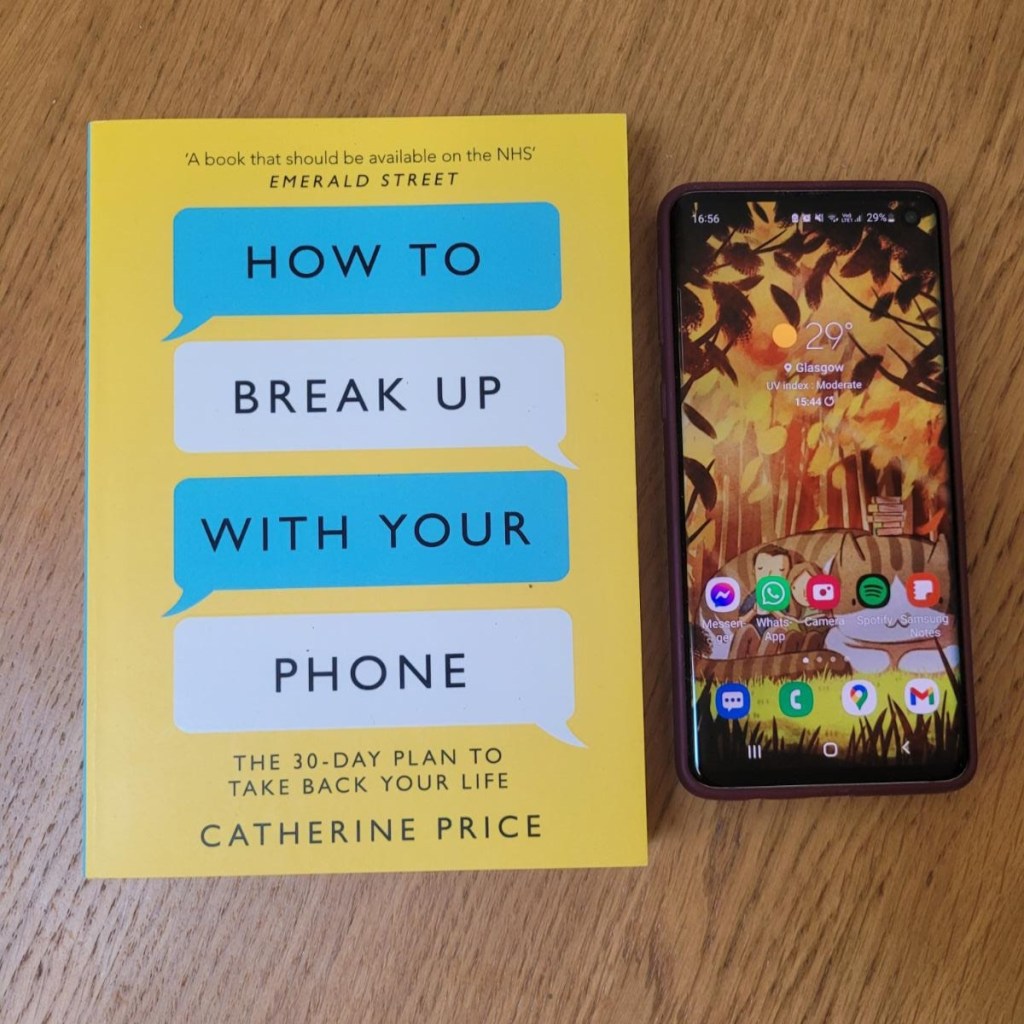
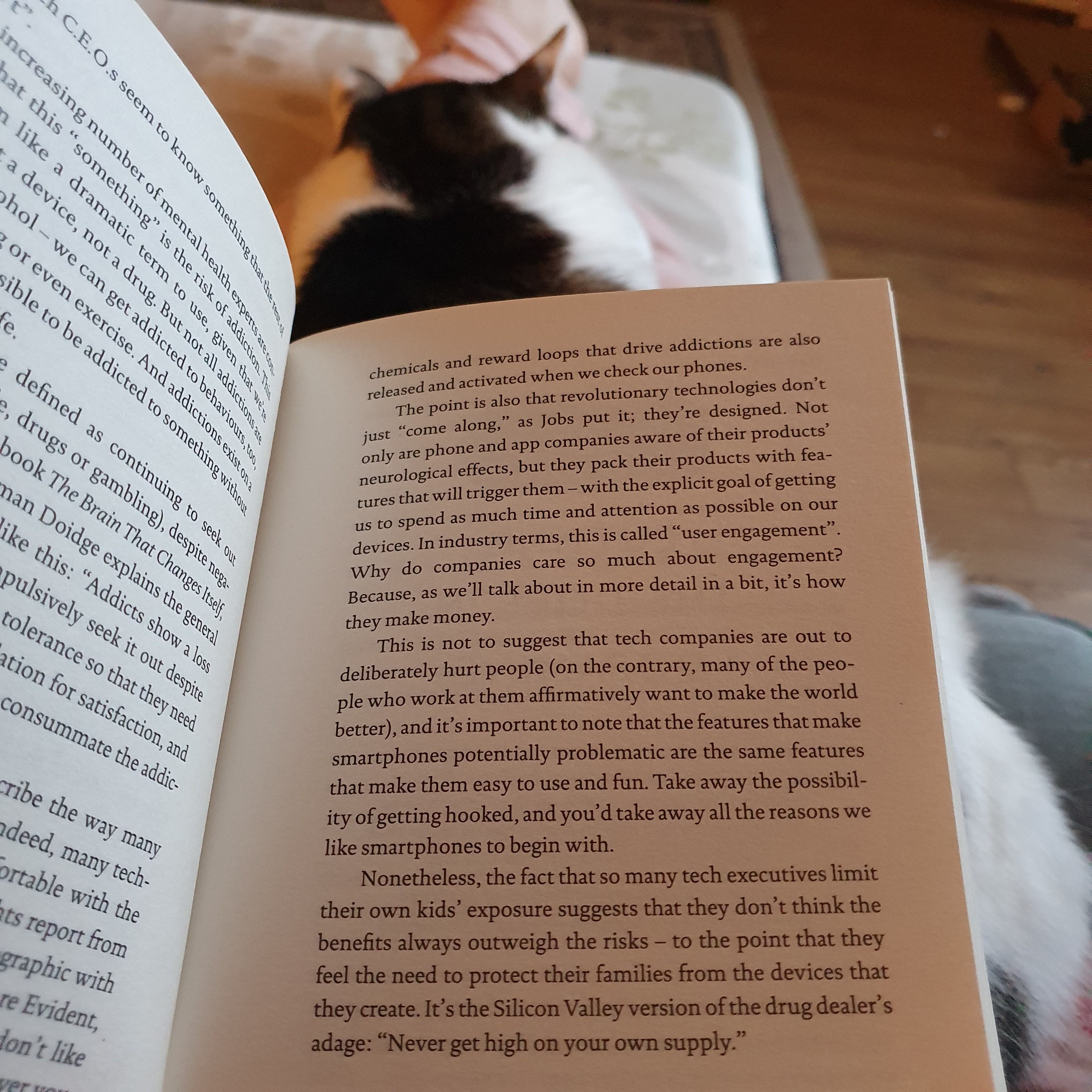
How to Break Up with Your Phone by Catherine Price

I attempted to read How to Break Up With Your Phone in 2020, but given how dependent we were on technology to keep in contact with family and friends during long periods of lockdown, it just didn’t seem like the right time. Picked it up again recently as I still want to reduce the amount of time I spend staring at a screen, and this really helped me to achieve my goal. The first half of the book focuses on explaining how and why smart phones, the internet and social media are so addictive, and how they are rewiring our brains, as well as making us more distracted, stressed, depressed and tired. The second half of the book gives practical advice and a 30 day detox plan on how to break our phone habits and create a healthier relationship with our phones. One of the aspects I really liked about this is that Price recognises how useful phones can be helping us with a variety of tasks from banking and navigation to camera and keeping in contact with others, so she doesn’t advocate getting rid of our smart phones altogether, just creating boundaries around their use to help us save time, improve our relationships and end the constant state of distraction many of us are stuck in. I haven’t followed the plan exactly but it’s full of useful advice from buying an alarm clock and changing where you charge your phone to installing an app blocker, and understanding why (curiosity, boredom and loneliness, etc)
we reach for our phones in the first place.

Evil Under The Sun by Agatha Christie

Set on a secluded island off the coast of Devon, Hercule Poirot is on holiday when he finds himself investigating the murder of the seductive actress Arlena Stuart. There’s no shortage of suspects with motives and plenty of red herrings along the way. I loved this story until the reveal in the last couple of chapters, but felt a bit cheated as it’s a clever mystery and solving it relies on a key peice of information that isn’t uncovered until near the end, but Evil Under the Sun is still a thoroughly gripping whodunit.

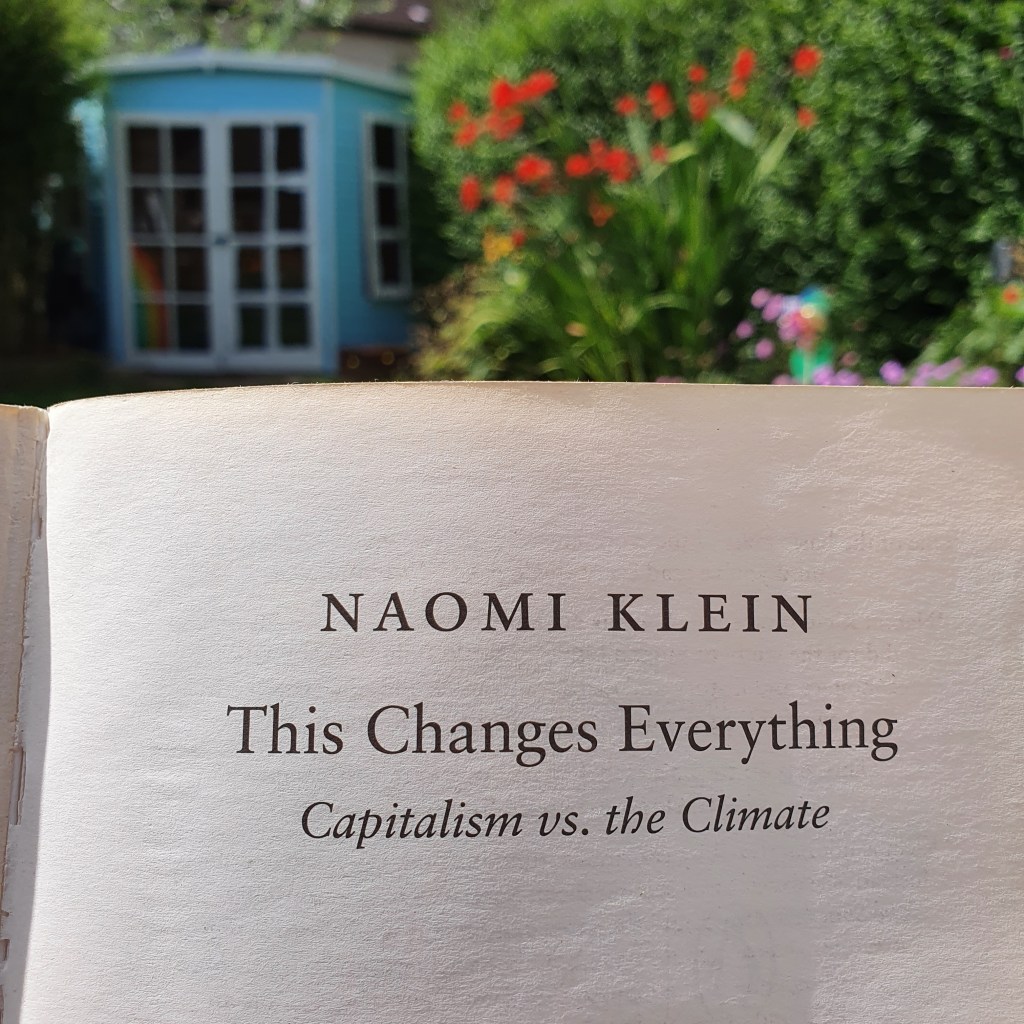
This Changes Everything by Naomi Klein

A comprehensive book about how climate change and capitalism are intertwined. Split into three parts, the first part considers how we ended up in our current situation, from the invention of the steam engine and the Industrial Revolution through to neoliberalism, deregulation and free market economy, covering climate change denial largely funded by the fossil fuel industry, and how NAFTA and WTO undermined investment and trade in green technology, while the Kyoto Protocol and climate summits have balked at regulating or holding the biggest polluters to account over the years.
The second part considers all the ways we’ve tried to avoid reducing carbon emissions and Klein debunks carbon offsetting, pining our hopes on philanthropic billionaires who are often heavily invested in polluting industries (like Richard Branson and Bill Gates), and some of the scientific community’s frankly terrifying proposals about how to geo-engineer the climate to reduce global warming (seriously, look up sun dimming).
One of the most compelling arguments is that the same individuals and industries that are exploiting natural resources in their relentless quest for growth and profit, are also exploiting employees and customers as well as polluting the water, air and soil, and this really ties together how climate change and social justice are connected.
The final section offers more hope recounting how protests have erupted all over the world against the Keystone XL pipeline, Arctic drilling and fracking, often leading to legal challenges, moratoriums and bans. This Changes Everything is a little dated (published in 2014 when Obama was still president and before Brexit here in the UK) but it’s still informative, terrifying, inspiring and a great place to start if you’re interested in climate change or conservation.

Have a lovely week. X