April Reading Wrapup

Oops, blogging has fallen by the wayside lately as other parts of life have taken up most of my time and attention, but finding a moment to share reviews of the books I read last month.

Go Gently by Bonnie Wright

I don’t usually pay much attention to celebrities but was intrigued to learn that actress Bonnie Wright best known for playing Ginny Weasley in the Harry Potter films is a passionate environmentalist. Go Gently is a comprehensive and practical guide to living a more sustainable life that covers everything from bamboo toilet paper to ethical banking and getting involved in activism or protests. I really enjoyed listening to the audio book but got frustrated by repeated references to the accompanying pdf, and ended up buying a copy of the book. This is a great contrast to the climate doomism in the news and a very hopeful book, Bonnie Wright doesn’t expect everyone to do everything she suggests but if everyone does something then we can all make a difference.

Murder Most Unladylike by Robin Stevens

I loved Enid Blyton’s Mallory Towers series as a child, and this feels like such a modern and refreshing twist on the boarding school genre as two young students investigate the mysterious death of one of their teachers. Set in the 1930s, this is a cleverly plotted mystery with plenty of suspects, clues and the odd red herring to keep the reader guessing, but also explores themes such as racism, same sex relationships and children born out of wedlock in a historical context. This was lots of fun, thrilling in parts and I’m looking forward to reading the rest of the series.

The New Age of Empire by Kehinde Andrews

A fascinating but grim history of the colonisation of Australia, the America’s, India, Africa and the genocides that European exploration and expansion involved. This really packs in huge amount of information from the inherently racist ideology of the Enlightenment and the history of the slave trade, slavery and the industrial revolution to the rise of neoliberalism, and provides context for present day conflicts such as Israel-Palestine, Sudan and the Democratic Republic of Congo. This is the kind of book that changed how I view the world giving me a greater awareness of the whitewashing of colonial and imperial history, and the exploitation of people and resources still going on today.

Unmasked by Ellie Middleton

A really accessible and inclusive guide to autism and ADHD by a young woman who was diagnosed with both in her early 20s. Ellie Middleton is clearly a passionate advocate for the neurodiverse community calling for kindness, patience and reasonable adjustments to help them navigate education, work and relationships. Unmasked is a really informative book with chapters providing clear explanations of the symptoms and behaviours of ASD and ADHD as well as debunking some persistent stereotypes that have lead to misdiagnosis and underdiagnosis (especially in women), as well as lots of insight into the lived experience.

Crookhaven: The Forgotten Maze by J. J. Arcanjo

I loved the first book in the series (reviewed here) and expected another fun heist during pickpocket Gabriel Avery’s second year at Crookhaven but this turned out to be such a heartwarming story about friendship and found family. Crookhaven offers such an original and fun twist on the boarding school genre of children’s fiction, but with high stakes as the students find themselves caught up in the schemes of the illusive and ruthless criminal gang, The Nameless, and I can’t wait to find out what happens next.

Vulture Capitalism by Grace Berkeley

I’ve become increasingly convinced that governments represent corporate interests not ordinary people’s, and Vulture Capitalism is packed with facts, figures and economic theory that confirmed my suspicions. It’s a bit dry in places but provides a thorough critique of Capitalism, debunking the myths of free markets and competition that neoliberals still use to justify privatisation and deregulation, even as smaller companies are swallowed up by huge multinational corporations and the same multinationals are bailed out by governments so they never experience the consequences of their high risk investments and lending. The last two chapters detailing how ordinary people have organised and won against corporations at local and national levels are particularly inspiring.

What have you been reading lately? X
February Reading Wrapup

February turned out to be a quick, hectic month and unusually I found myself reading all non-fiction.

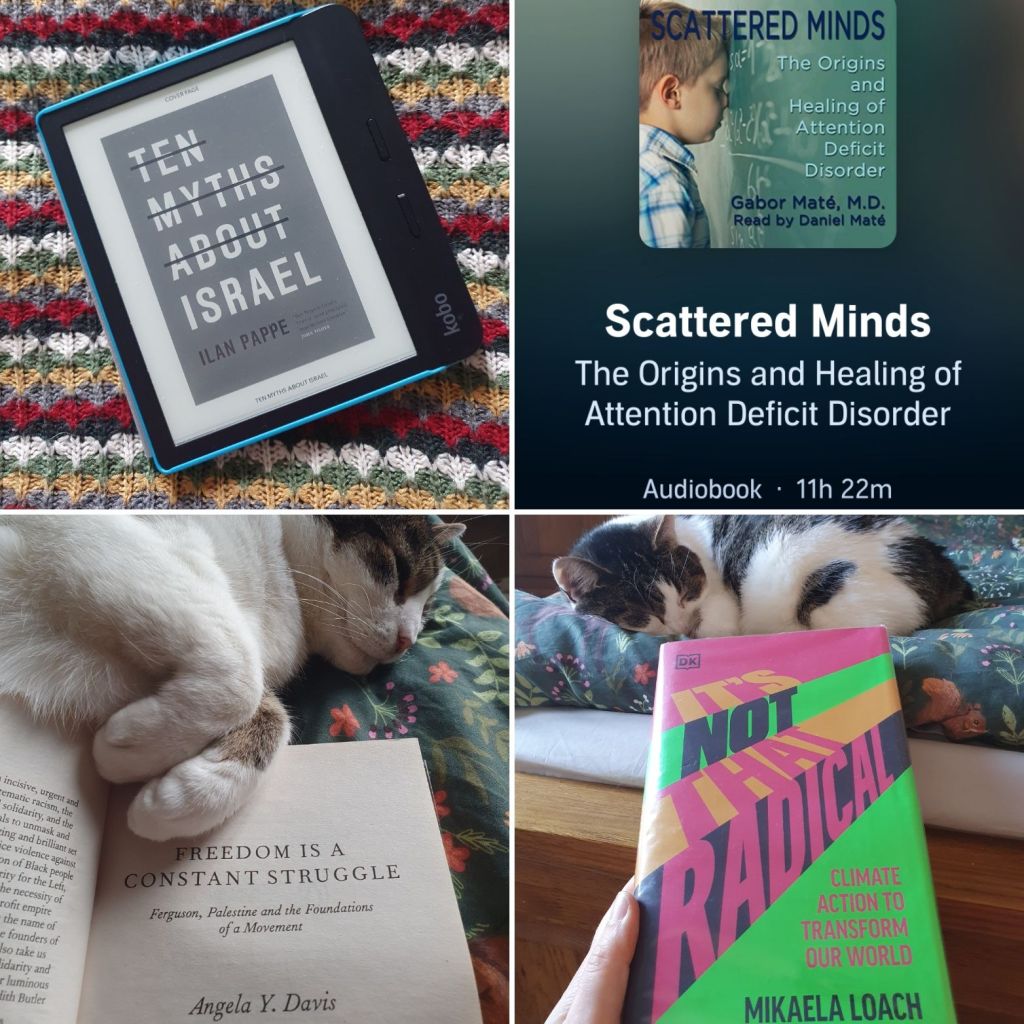
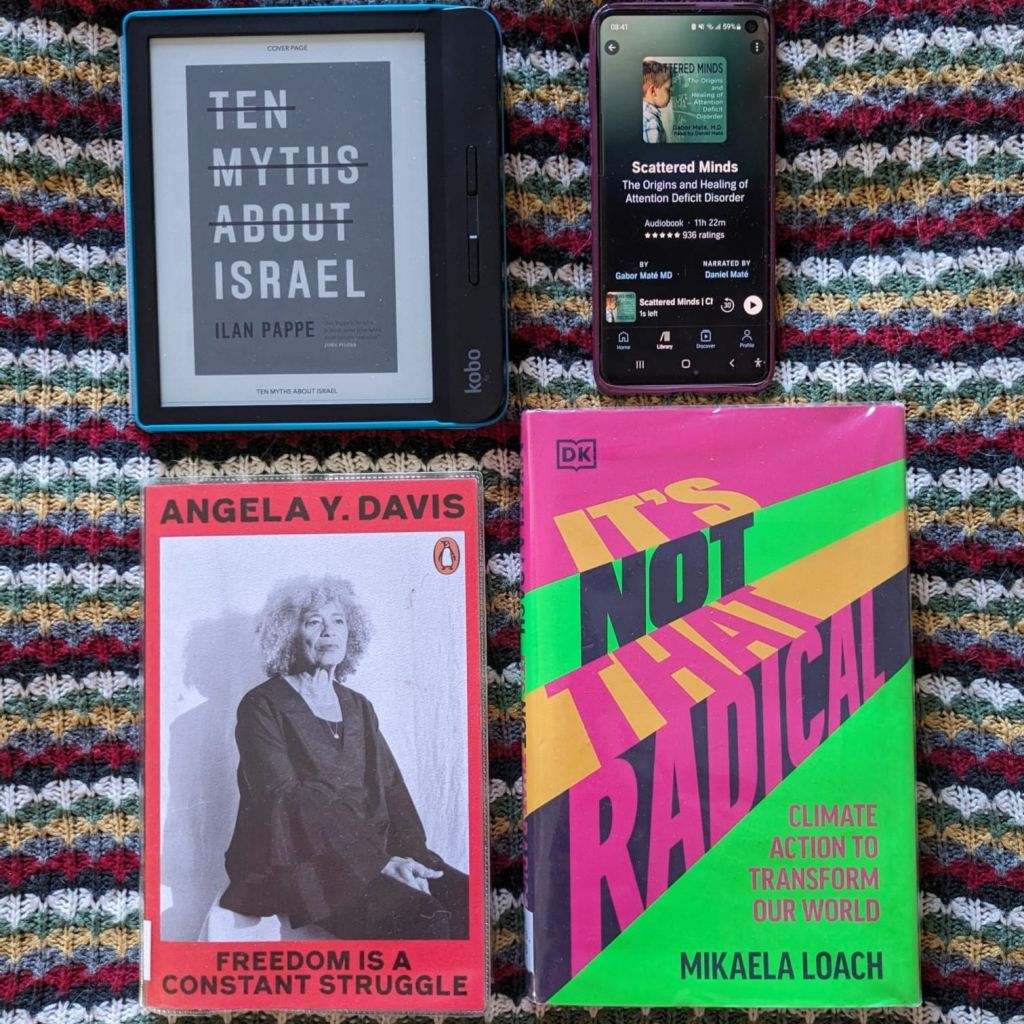
Ten Myths About Israel by Ilan Pappe

Frustrated by mainstream journalism coverage of the most recent conflict between Israel and Palestine, I picked up this book by Israeli historian, Ilan Pappe, to try to learn more. Ten Myths About Israel challenges the narrative many of us have been taught to believe about Israel as a land without a people for a people without a land, Israel being the only democracy in the middle east, that zionism is Judaism, and the two state solution is the only hope for lasting peace. It’s not without controversy, as Ilan Pappe argues that consecutive Israeli governments have undermined the peace process by refusing to negotiate with Palestinian leaders and allowing illegal settlements in Gaza and the West Bank. Ten Myths About Israel provided the context that I was seeking and I appreciated that this offers a secular history which doesn’t hold all Jewish people or Israeli citizens responsible for the actions of extremists in government or the Zionist movement.

Scattered Minds by Gabor Mate

A really interesting read (or in my case, listen) from a psychiatrist who has been diagnosed with Attention Deficit Disorder, which includes anecdotes and reflection from his own experiences as well as those of patients he’s worked with.
Scattered Minds explains the symptoms and signs of ADHD, and examines the links between genetics, early childhood environment and neurobiology in individuals with ADHD.
Gabor Mate argues that while there is a neurobiological aspect, that impaired parent-child attachment and environmental stress during the  early years can also have an impact on the development of ADHD, and that we live in a fast-paced culture and society that exacerbates ADHD symptoms.
This also contains advice on how to parent a child with adhd, such as how to build attunement and attachment, overcome oppositionality and stubbornness, and how to motivate a child with ADHD.

Freedom is a Constant Struggle by Angela Y. Davis

This is an collection of speeches, articles and interviews on related themes and topics from the prison industrial complex, the militarization of the police and institutional racism which has lead to so many black people being killed by the police force, the power of collective action and intersectional feminism, and the struggle for freedom and abolition from the United States of America to Palestine. Freedom is a Constant Struggle is an interesting, informative and thought-provoking little book that really left me wanting to read more of Angela Y. Davis’ work.

It’s Not That Radical by Mikaela Loach

This is a really interesting book by a young, black female environmental activist that draws connections between exploitation of land and resources that lead to climate breakdown and social issues like the exploitation of workers and racism. One thing I found really inspiring was the idea that climate justice means more than just preserving the status quo with green capitalism alternatives, and the climate emergency provides an opportunity to create a fairer, cleaner and healthier world for everyone, but I was a little disappointed that there weren’t more practical steps to take beyond joining a trade union or protesting.

Have a lovely week all. X

An Oasis in the Urban Desert

Last summer, my interest in environmental issues peaked during the heatwave and I was alarmed to learn that the UK is one of the most nature depleted landscapes in the world. I’ve always been someone who believes that small actions matter and we gardeners have the ability to make a real difference to support wildlife and biodiversity.

One suggestion that came up again and again was adding a water feature to the garden. I have fond memories of watching tadpoles, frogs and dragonflies in my best friend’s pond as a child, and thought a pond would be a lovely feature to add to our own garden.

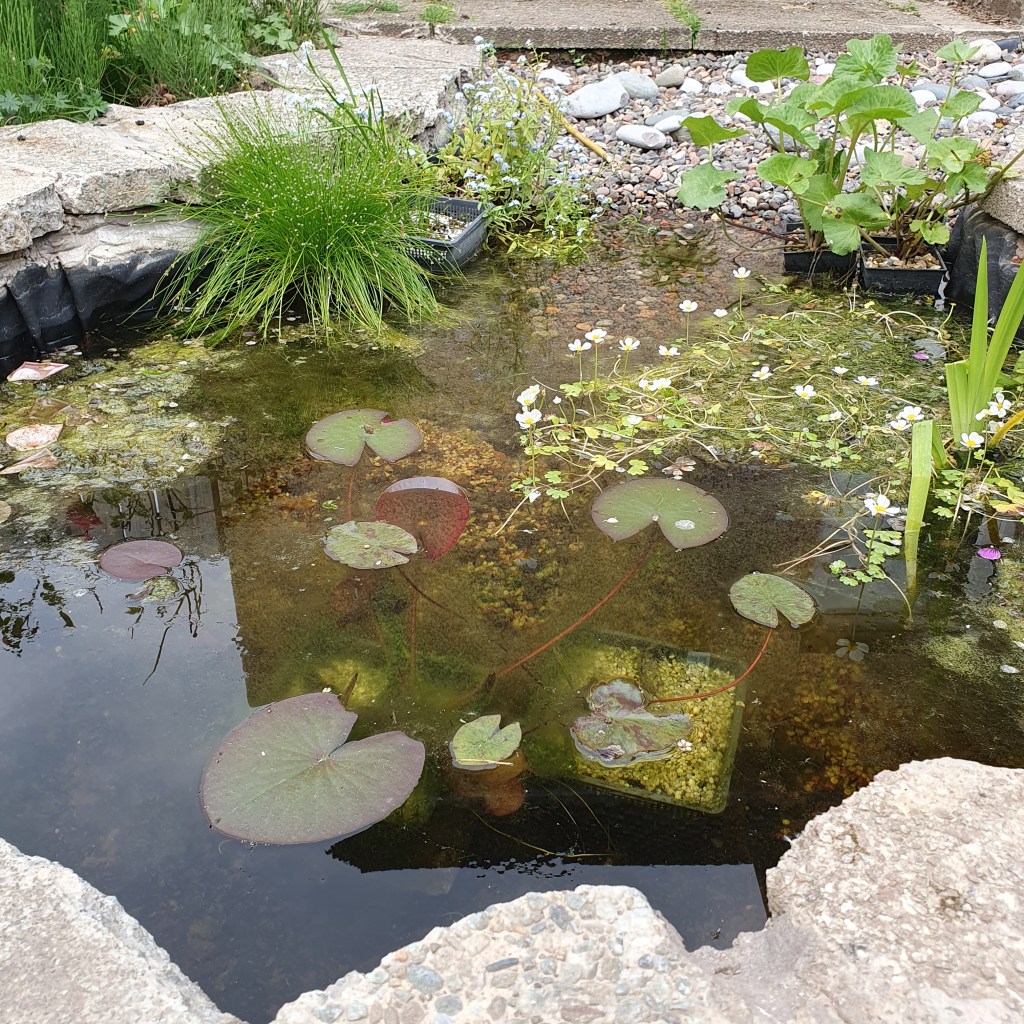
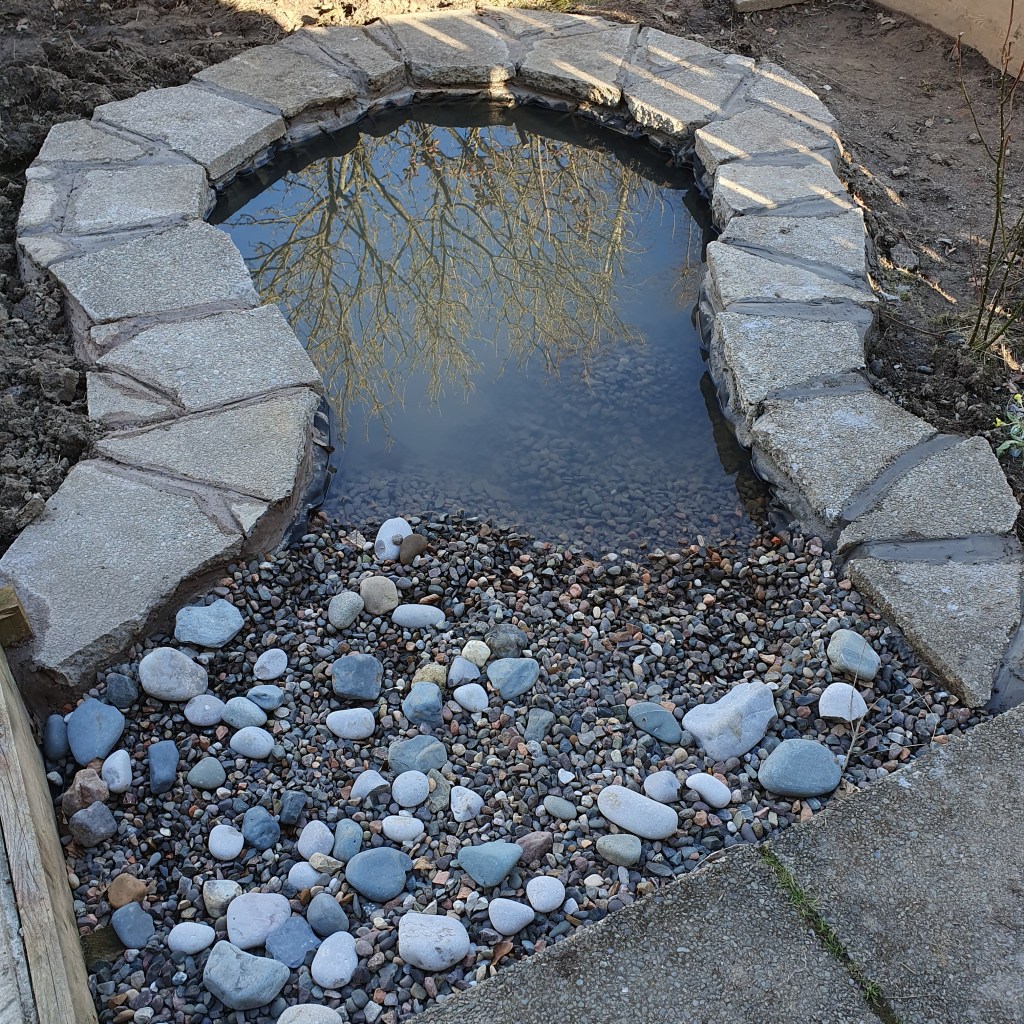
We decided to put the pond in the front garden as it seemed safer for the kids as they’re never out the front unsupervised. We (or rather my hubby and father-in-law) dug out the pond, put in a liner and part filled with the hose, and then cemented crazy paving around the edge. It’s about 60cm deep at the deepest point with a shelf at 30cm and a gradual slope up to a wide pebble beach to prevent any animals from drowning.

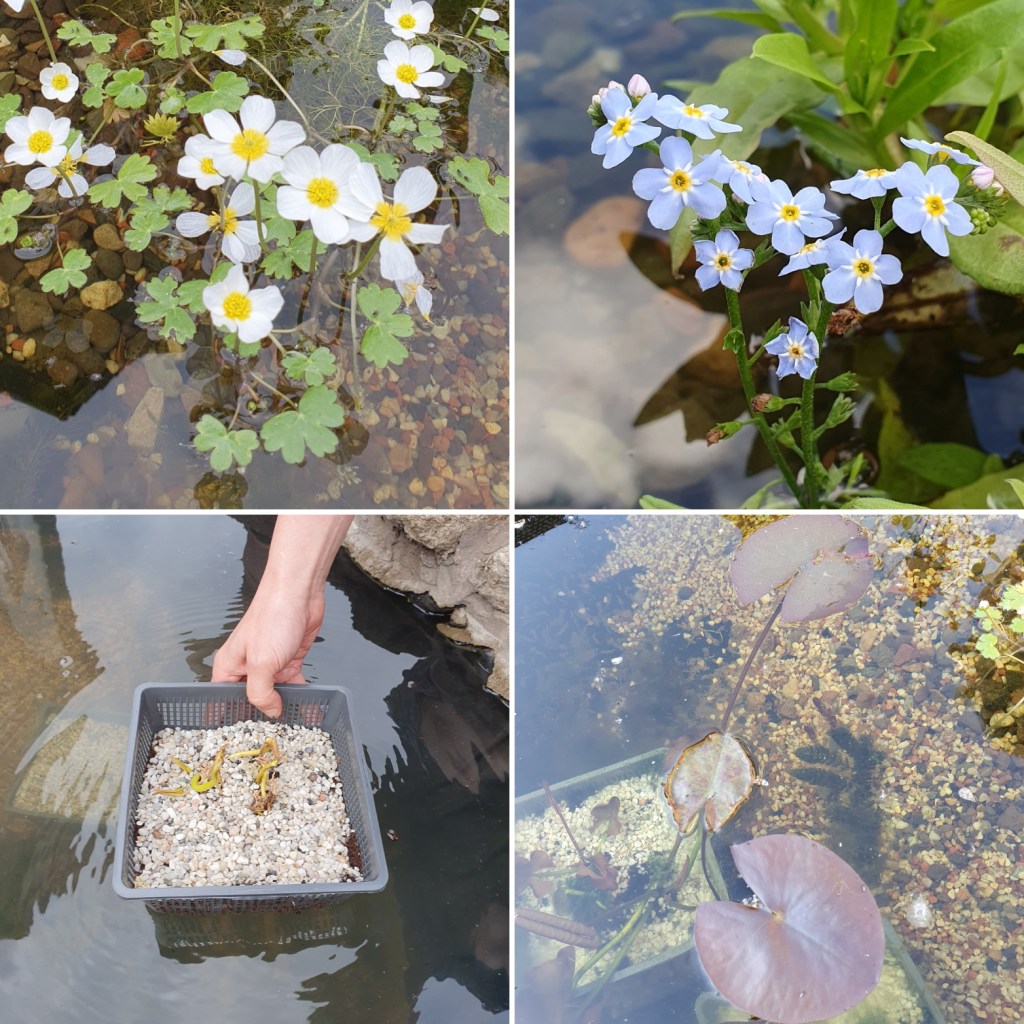
I’ve been filling the pond with plants, Hornwort and water crowfoot as oxygenators, then water forget-me-nots, flag iris and Marsh marigolds as marginals. We’ve also submerged a couple of water lillies in the deepest part of the pond, but I’m prioritising native plants to attract wildlife.

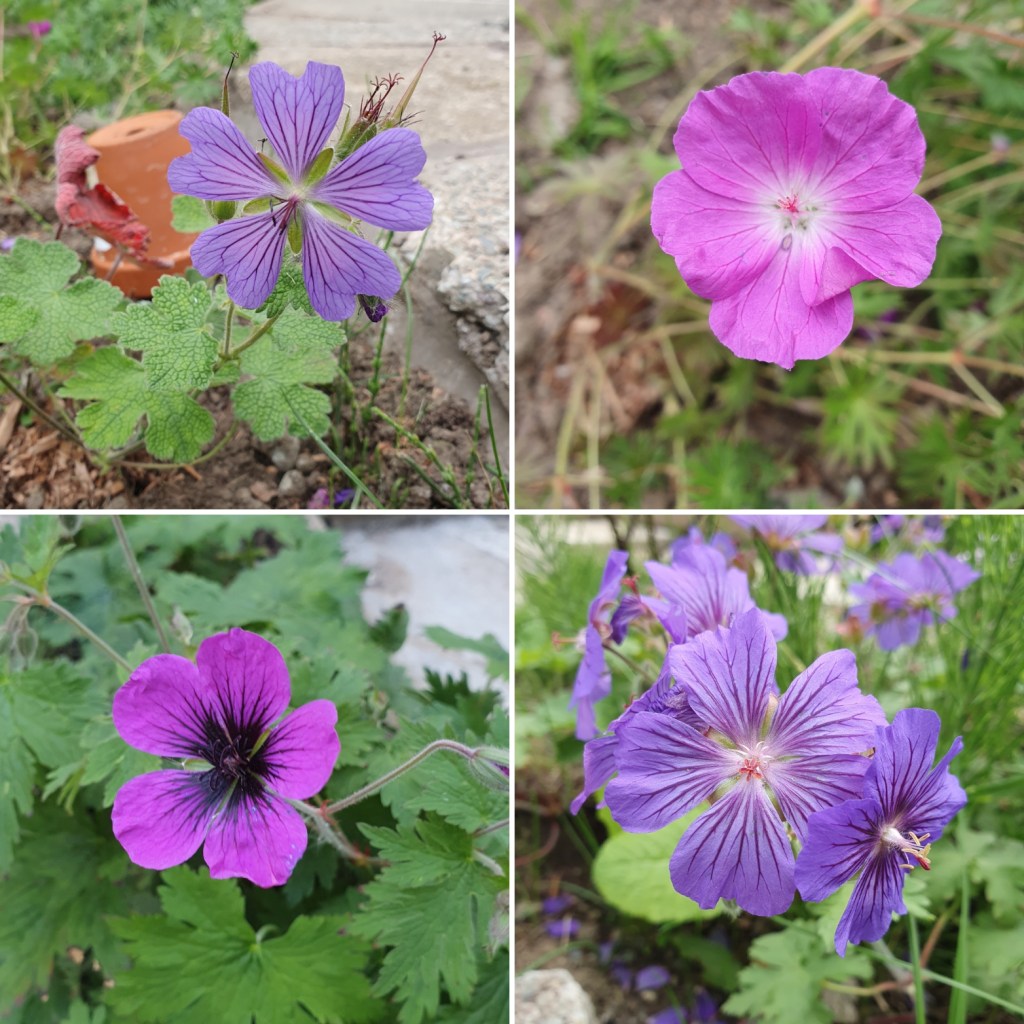
Cranesbill or hardy geraniums are my favourite perennial, so they were my first choice for planting around the pond to soften the edges, provide shelter for critters and food for pollinators. I relocated dragonheart from the long border in the back garden to the edge of the pond, along with a blue geranium I picked up years ago that has been living in a pot while I tried to find a permanent home for it, and added a few more that I bought from a local nursery.

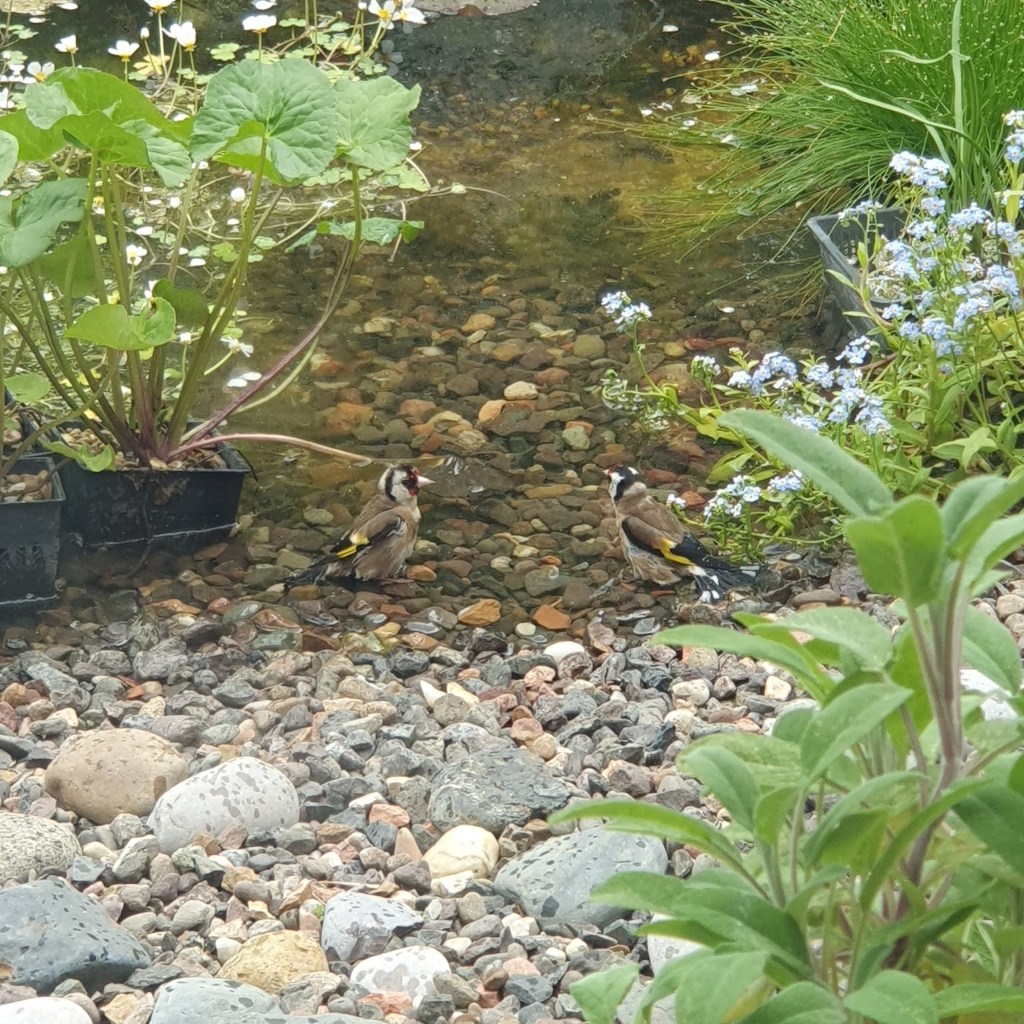
I’ve always taken a “build it and they will come” approach to coaxing wildlife to our garden, and been rewarded when birds, insects and animals have found their way here. We all trooped out in our Pyjamas one evening after I’d spotted a pond skater, and my husband found diving beetles a few days later. It made my day when I spotted a pair of goldfinches bathing in the shallows as we’ve never had them in the garden before.

We’ve had a prolonged spell of dry, hot weather, leading to water scarcity warnings (very rare in Scotland!) and we’ve seen the pond water level dropping, and algae spreading. Nevertheless, I hope that over the summer our pond will be a little oasis in the urban desert for wildlife. Have a lovely week. X

September Reading Wrapup

September was a good month for reading with a real mix of genres, and a couple of eagerly anticipated new releases.

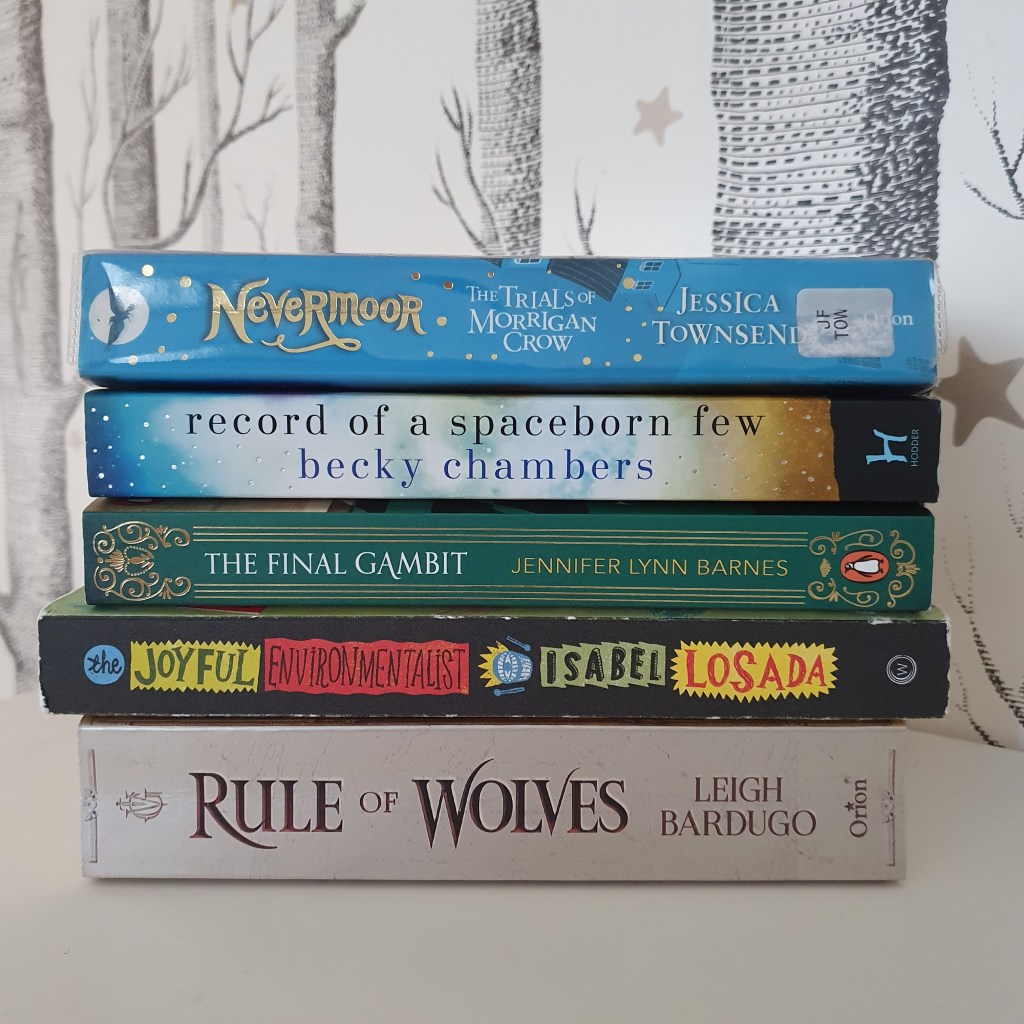
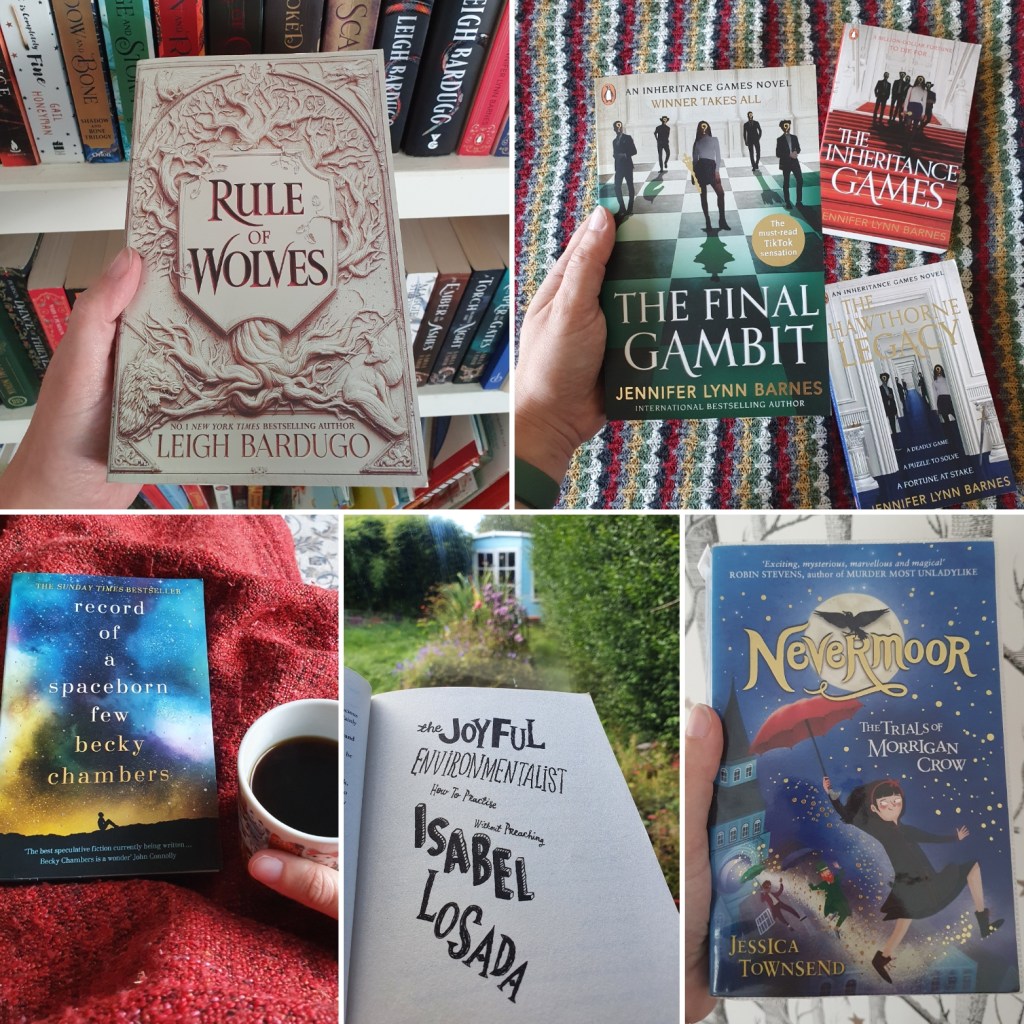
Rule of Wolves by Leigh Bardugo

In the concluding part of the King of Scars (reviewed here) duology (and apparently the final book to be set in the Grishaverse for a while) an old enemy has returned, armies from neighbouring countries are massing at Ravka’s borders, and Nikolai’s legitimacy as King is under scrutiny. I loved the slow burn romance between Zoya and Nikolai, easily two of my favourite characters from the Grishaverse, and how they both had to confront their personal demons (both literal and figurative), and Nina’s mission as a spy behind enemy lines was tense and thrilling too. Rule of Wolves didn’t have quite as many clever twists as I’ve come to expect from Leigh Bardugo, but still an enjoyable read and satisfying conclusion that leaves scope to return to the world and reunite with the main characters from Shadow and Bone and Six of Crows in the future.

The Joyful Environmentalist by Isabel Losada

This was a bit different from most of the other books about environmentalism that I’ve read recently as Isabel Losada sets out to prove that environmentalism doesn’t have to be about guilt, anger and grief, and shares all the joyful experiences that becoming an environmentalist has brought her from playing in Extinction Rebellion’s samba band and a cosy night in with her flatmates during an unexpected powercut to planting trees in the Scottish Highlands with Trees for Life and listening to nightingales and other songbirds while camping at the Knepp Estate. The book also covers various ways that individuals can reduce their impact on the environment but really focuses on the benefits of creating a greener world from a greater sense of community and connection to less litter and pollution.

The Final Gambit by Jennifer Lynn Barnes

The final part of The Inheritance Games trilogy (reviews for The Inheritance Games and The Hawthorne Legacy) has been one of my most anticipated new releases this year, and it was worth the wait as I binge read it in a couple of days. The Final Gambit finally reveals why billionaire Tobias Hawthorne disinherited his entire family and chose Avery, a random girl he’d only met once in passing to be his heir instead, it also reveals a new enemy seeking to outwit Avery and destroy Tobias Hawthorne’s legacy and fortune. The weakest part of this story is the love triangle between Avery and two of the Hawthorne brothers, which I felt had been resolved in the previous book, nevertheless, The Final Gambit is a gripping YA mystery, and I loved how Avery grows as a character over the series and how she chooses to use her wealth when she finally comes of age and inherits the Hawthorne fortune.

Record of a Spaceborn Few by Becky Chambers

I don’t read much science fiction but I make an exception for Becky Chambers, and yet I find her books so hard to describe because they’re character driven stories that focus on identity, relationships, culture and humanity. Record of a Spaceborn Few is the third book set in The Wayfarers Quartet and is set around the same time as the first book, The Long Way to a Small Angry Planet (reviewed here), though this follows a different set of characters all living and working on one of the human homesteaders, the vehicles that humans built to escape Earth and make a new life in the Galaxy. The undergraduate Anthropology student in me found the practical elements of maintaining the homesteaders and the rituals people developed on board to preserve their history and culture fascinating.I’ve seen a lot of mixed reviews for this one, but Record of a Spaceborn Few is probably my favourite book in the series so far, it’s a poignant exploration of life, death, community and humanity.

Nevermoor: The Trials of Morrigan Crow by Jessica Townsend

I picked up this from the library because I’d read so many glowing reviews about it but it ended up falling into that awkward category of books that I liked but didn’t love. Nevermoor follows a little girl called Morrigan Crow who was born on the festival of Eventide, believed to be cursed and bringing all manner of misfortune to the people around her and destined to die on her 12th birthday until she’s saved at the last moment by a strange benefactor who whisks her off to the magical city of Nevermoor and enters her into a competition with other children hoping to join the Wondrous Society, an elite group of people with strange and magical abilities. Nevermoor is an enjoyable children’s story about friendship, belonging, bravery and destiny.

Have a lovely week. X

August Reading Wrapup

All the books I read in August were borrowed from the library, and all were on environmental themes from how to reduce the amount of pollution (especially plastic) we produce and consume less to nature and conservation.

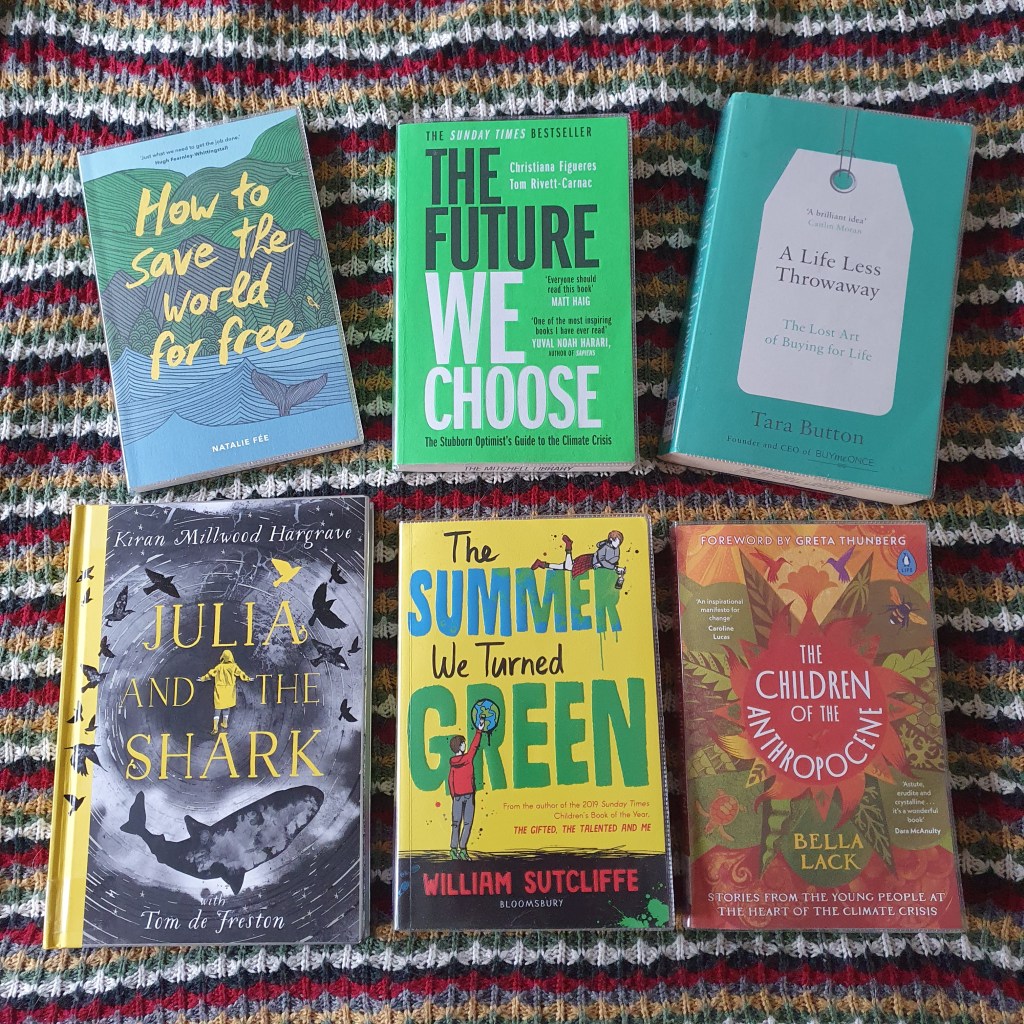
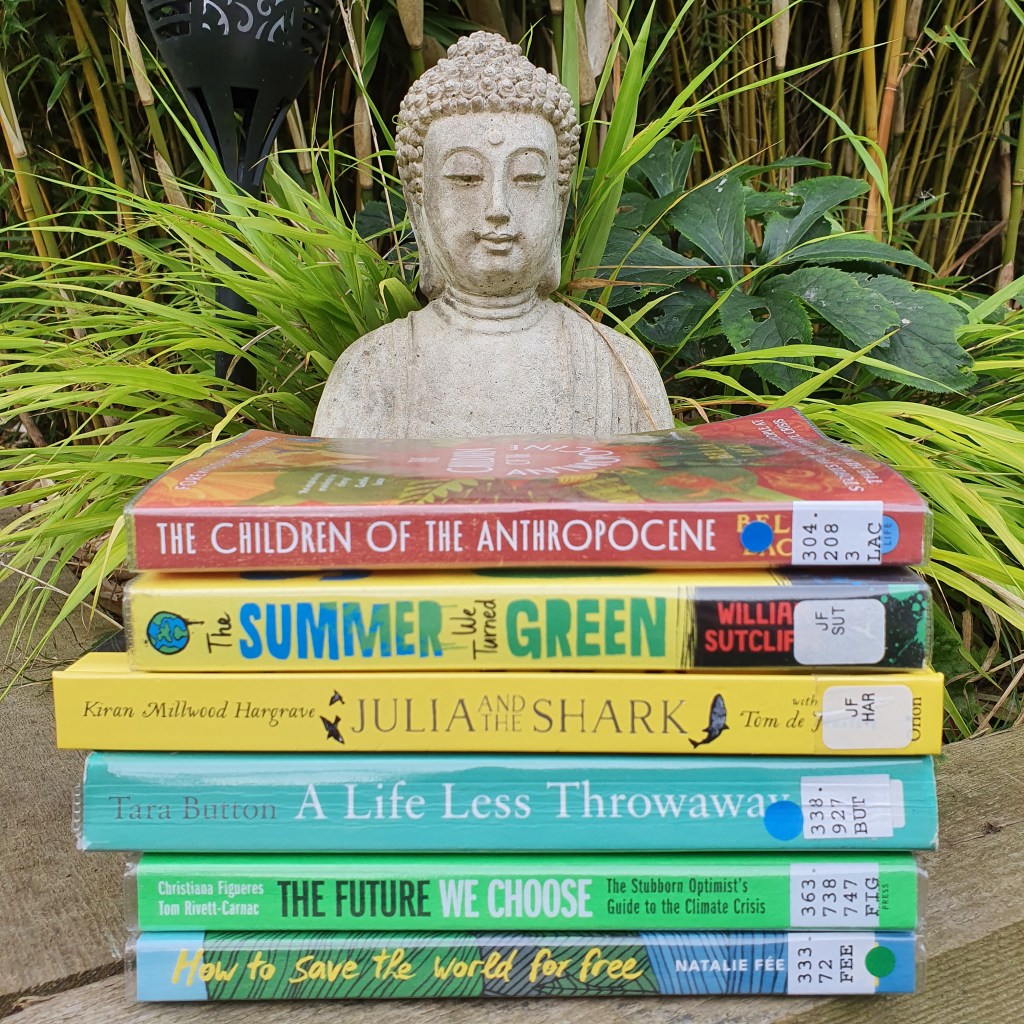
How to Save the World for Free by Natalie Fee

This is a short but practical guide on what individuals can do to reduce their harmful impact on the planet, which starts off by describing a fairly bleak picture of our current situation with polluted oceans and rivers, air and soil, rapidly rising temperatures, melting glaciers and mass extinctions. However, after setting the scene, Natalie Fee provides a really inspiring, informative and thought-provoking book that provides a much needed antidote to the doom and gloom news about the environment, reminding readers that as consumers, campaigners and voters we have the power to influence politics and corporations, but she also recognises the importance of collaboration and signsposts to other campaigns and grass roots movements to get involved with. I’m no environmental angel and I really appreciated that there’s no guilt-tripping or shaming here, and no expectation that the reader needs to adopt every single suggestion to make a difference. I was pleased that I’m already doing some of the things she suggests, but there are plenty of other suggestions that I hadn’t considered, and I found this a quick, practical read that left me feeling motivated and inspired.

The Future We Choose by Christiana Figueres and Tom Rivett-Carnac

This is quite a different book from others that I’ve read on climate change and environmentalism, and if I’m honest I found it a bit disappointing as it focuses on the mindset of stubborn optimism that will be required if we want to prevent the worst case scenario and create a greener world. The writers argue that we need to overcome our sense of helplessness, but I found this book a bit vague and idealistic as most of the practical suggestions such as flying and driving less, eating less meat and diary, switching to renewable energy tariffs and planting trees are already well known, and this still overestimates the individual’s carbon footprint when we also need governments, businesses and fossil fuel companies to reduce their emissions and move away from fossil fuels to greener technology and solutions.

A Life Less Throwaway by Tara Button

A Life Less Throwaway is another practical guide about reducing our consumption by learning to resist manipulative marketing ploys but also learning to take care of items we already own instead of accepting planned obsolescence, upgrades and seasonal trends as the norm and campaigning for more durable products. I really enjoyed the first half of the book that covers the history of advertising, when and why disposable products became normalised, and it’s a surprisingly fun read with lots of exercises to help the reader identify their own style and values to develop a bit of immunity to advertising. The second half fell into more familiar territory covering minimalism, decluttering, make do and mend, as well as a few recommendations for products made with durability in mind. A Life Less Throwaway is another informative and practical guide on how to tackle over-consumption and reduce waste that I thoroughly enjoyed.

Julia and the Shark by Kiran Millwood Hargrave

A gripping children’s story and the second book that’s been shortlisted for the Wainwright’s Children’s Prize that I’ve read this year (the other was October, October reviewed here) about a young girl called Julia who moves from her home in Cornwall to a lighthouse in Shetland with her scientist parents for a summer. While Julia’s dad attempts to automate the lighthouse, Julia’s quirky mum becomes increasingly obsessed with finding a Greenland shark that could provide a cure for Alzheimers and dementia, and Julia is left to entertain herself. Julia and the Shark is such a poignant story about a child navigating new friendships and bullying, nature and conservation, mental health and learning that her parents are neither perfect nor infallible.

The Summer We Turned Green by William Sutcliffe

After some of the heavier books I’d read this month, The Summer We Turned Green turned out to be a comparitively light hearted, amusing and hopeful read about a seemingly ordinary British family that find themselves on the frontlines of a climate protest when the opposite side of their street is marked for demolition to expand an airport. I really loved the family dynamics at the heart of this story, but also the optimistic message about NIMBYs and climate protesters overcoming their prejudices, uniting towards a shared purpose and creating a little community together.

Children of the Anthropocene by Bella Lack

In Children of the Anthropocene, youth activist Bella Lack attempts to give a voice to young people’s experience of pollution and climate change across the world. It is at times uncomfortable to read about the plastic pollution poisoning oceans, rivers, landscapes, birds, fish and animals, but this manages to strike a balance by highlighting young people across the world all participating in different forms of activism and conservation from cleaning beaches and planting trees to challenging governments in courts. I found this so inspiring and thought-provoking and really informative as it covers such a wide range of topics from reducing consumption, slow travel, how educating women can reduce climate change, rewilding, ecocide and ecological blindness, and intersectional environmentalism. I loved the manifesto with practical tips at the end of each chapter and really appreciated how broad Lack’s definition of activism is.

Have a lovely week. X