
We woke yesterday to a thin layer of Frost on the car windscreen, the first of the season. We’re in the middle of autumn here in Scotland, always a season of contrasts: beginnings and endings, the last of the sun’s warmth and the first frosts, the glorious colour and texture of the leaves, and of course death and decay as leaves, flowers and insects all die back before winter.
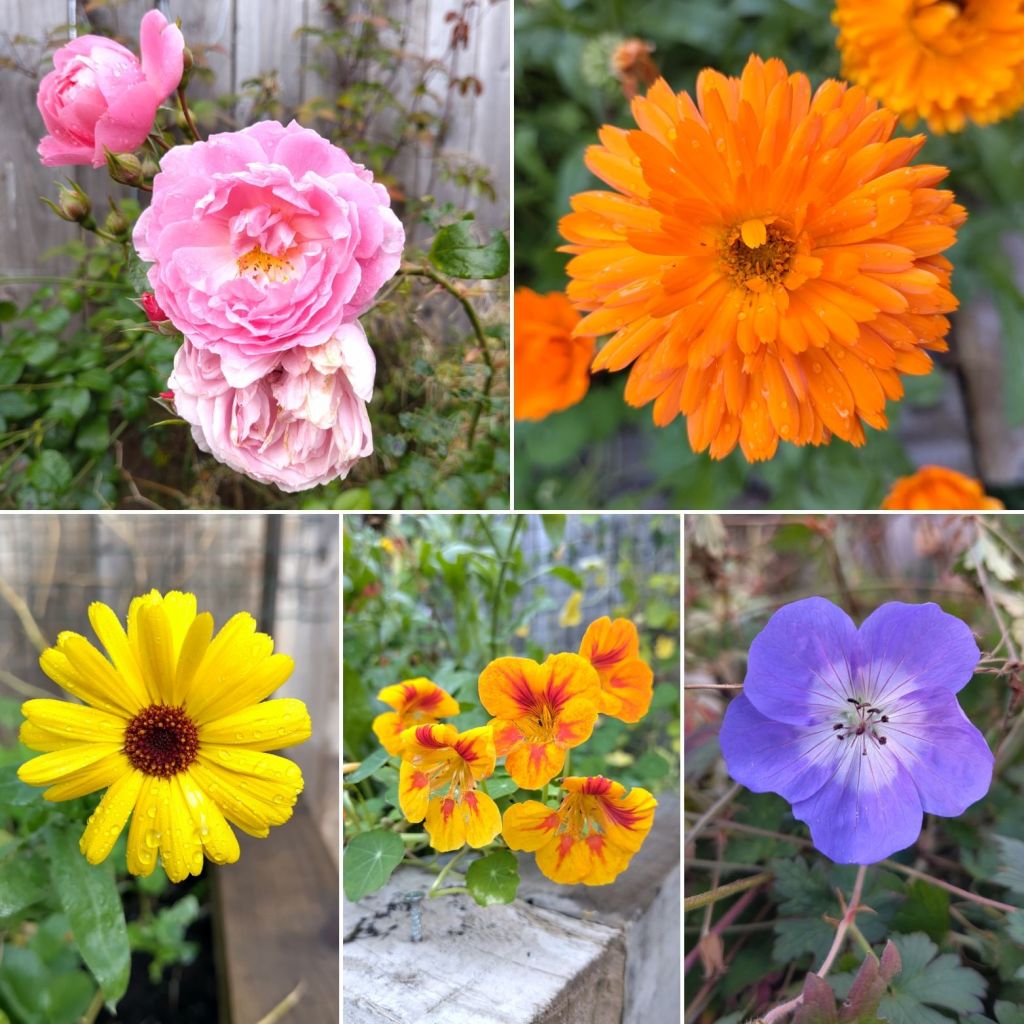
There are still a few hardy geraniums (Rozanne just doesn’t stop), roses, nasturtiums and calendula all stubbornly blooming in our garden, though Storm Amy battered the sunflowers. There are also pots of cabbage, kale, chard and pak choi seedlings in the greenhouse that may or may not come to anything. I’m planting Meteor peas in the raised beds which are apparently hardy enough to overwinter. There are still daffodil bulbs to plant, as well as finding space in the long border for anenomes and michaelmas daisies, but I’m starting to feel the pressure now as winter is on its way.

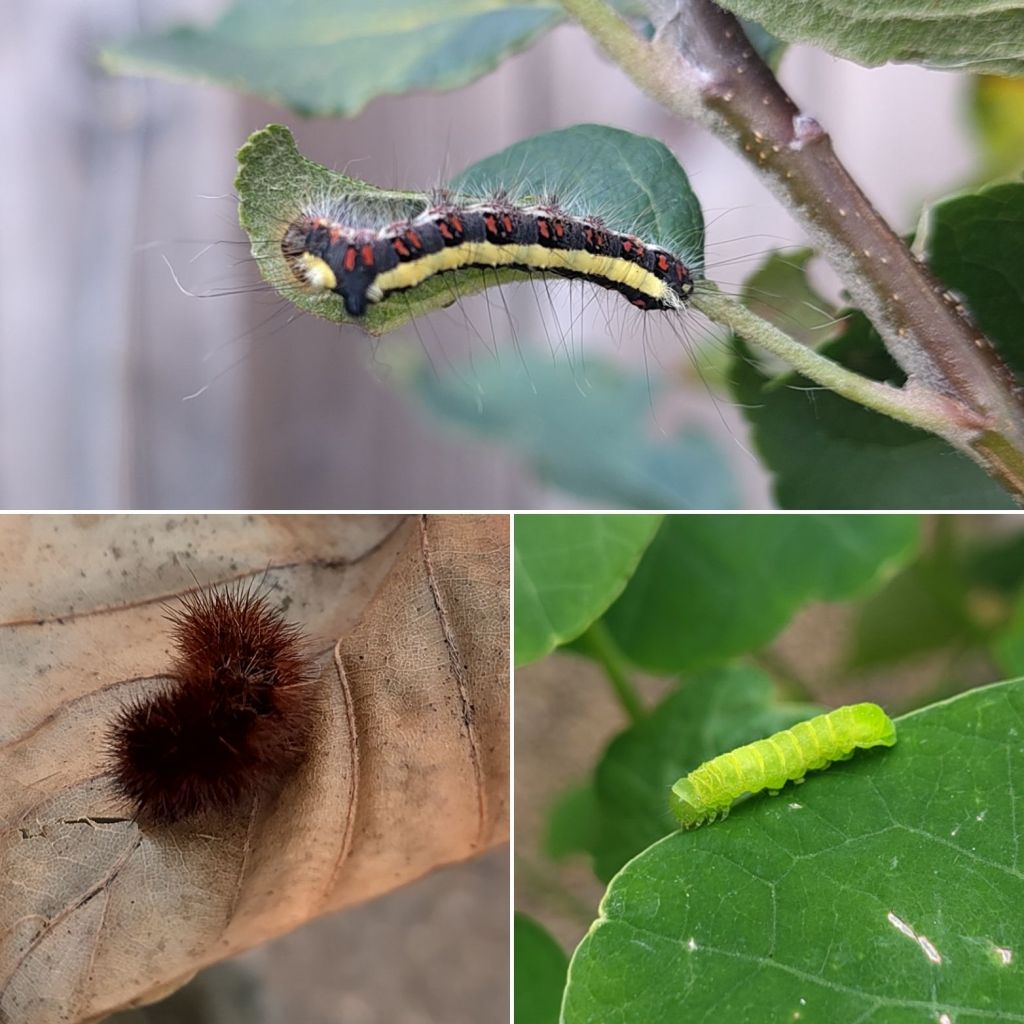
We had lots of Red Admirals visiting the garden and feasting on our plums all through September, but this month we’ve found lots of Caterpillars in the garden much to the children’s fascination.
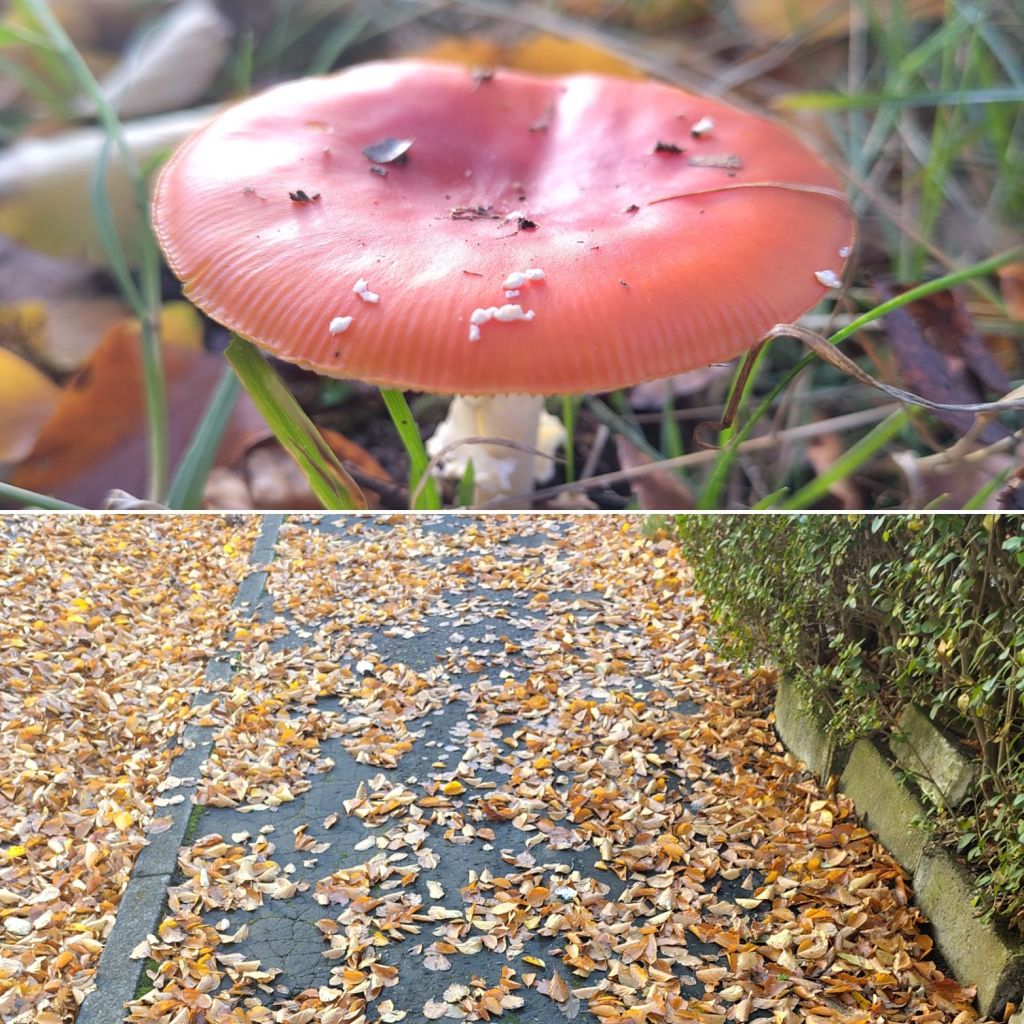
While most people are looking up at the trees, there’s lots to see at ground level too. Our little street is hidden beneath a carpet of beech tree leaves at the moment, and I’ve spotted a few Aminita Muscaria (or fly agaric toadstools) at the base of the trees. It seems like the world is full of reds, ambers, golds at the moment, all the fiery shades for the “ember” months.
As we move through the autumn months, life still feels hectic with no signs of slowing down and there are some big changes ahead, but I’m trying to ground myself in nature, enjoying pottering around our little garden and taking time to notice all the little wonders of nature at this time of year. Have a lovely week. X




 Lovely and Grateful
You must be logged in to post a comment.