August Reading Wrapup

August turned out to be a busier month than anticipated and I had less time to read than planned but enjoyed everything I did read.
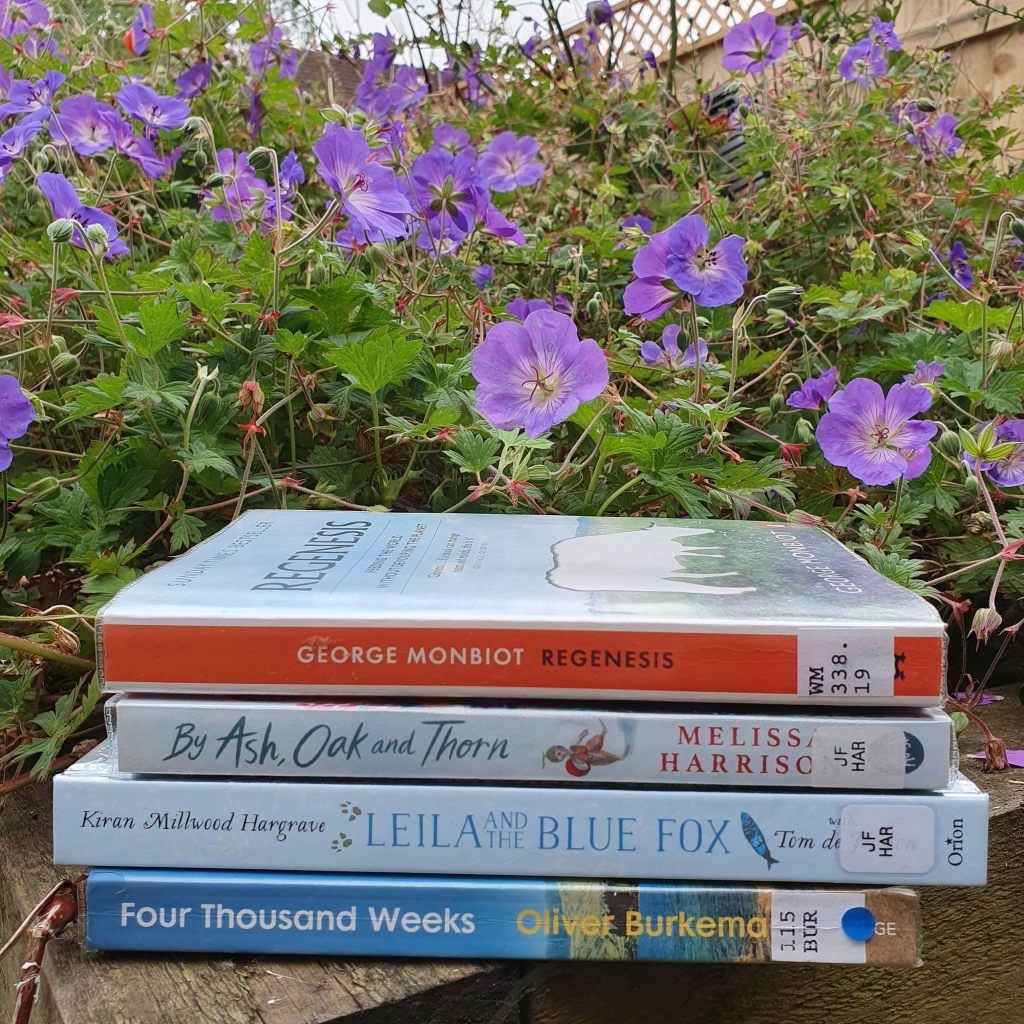
4000 Weeks: Time Management for Mortals by Oliver Burkeman

What a refreshing and thought provoking book, Burkeman starts with the idea that the average human only has 4000 weeks of life and then delves into how we spend our time. Increasingly as individuals and society we have become obsessed with productivity and consider busyness as a status symbol, trying to achieve more and more with our finite time. Burkeman argues that instead of making ourselves stressed, anxious and exhausted by our overwhelming and never ending to-do lists we should accept our limitations and focus on creating a meaningful life with the short time we have instead. Having spent my 20s and 30s treating significant milestones and achievements like items on a shopping list, this book really resonated with me as I try to balance the competing demands of my young children with my aging parents, career and hobbies.

Leila and the Blue Fox by Kiran Millwood Hargrave

I have not stopped thinking about Julia and The Shark (reviewed here) since I read it last year, and this spiritual sequel did not disappoint. Leila and the Blue Fox is a poignant and thought-provoking story about a Syrian refugee, Leila, trying to reconnect with her mother, who left her in London, while she went to study animal migration due to climate change. The story of their incredible journey across the Arctic as they follow one determined little fox weaves so many pertinent themes from climate change to animal and human migration as well as families and friendships, this will undoubtedly be one of my end of year favourites.

By Ash, Oak and Thorn by Melissa Harrison

A charming children’s story about three little Hidden Folk (Moss, Burnett and Cumulus) who are all living in a garden after being displaced from their wildflower meadow, forest and pond by humans, when they are forced to embark on an unexpected quest to find others of their kind. This story is reminiscent of The Hobbit and The Borrowers but full of little lessons about nature, conservation and friendship. Whimsical, charming and poignant, though the ending felt like a rushed prelude to the next book.

Regenesis by George Monbiot

A fascinating critique of farming and the challenges of trying of feed 6 billion people without wrecking the planet. Monbiot starts by taking an unflinching look at some of the common practices in farming such as the use of pesticides, herbicides, fertiliser, genetic engineering of crops, the use of antibiotics, the spread of manure and the amount of land required to grow crops to feed livestock, and their impact on the environment, both local and global. He then considers the alternatives from (live)stockfree organic farming, reducing food waste and food redistribution through food banks, no till farming, perennial cereals like Kernza wheat and PR23 rice, and the development of microbial proteins (and other alternatives to meat). An interesting book about food production with some unflinching criticisms of current agricultural methods and some pragmatic alternatives for the future.
October Reading Wrapup

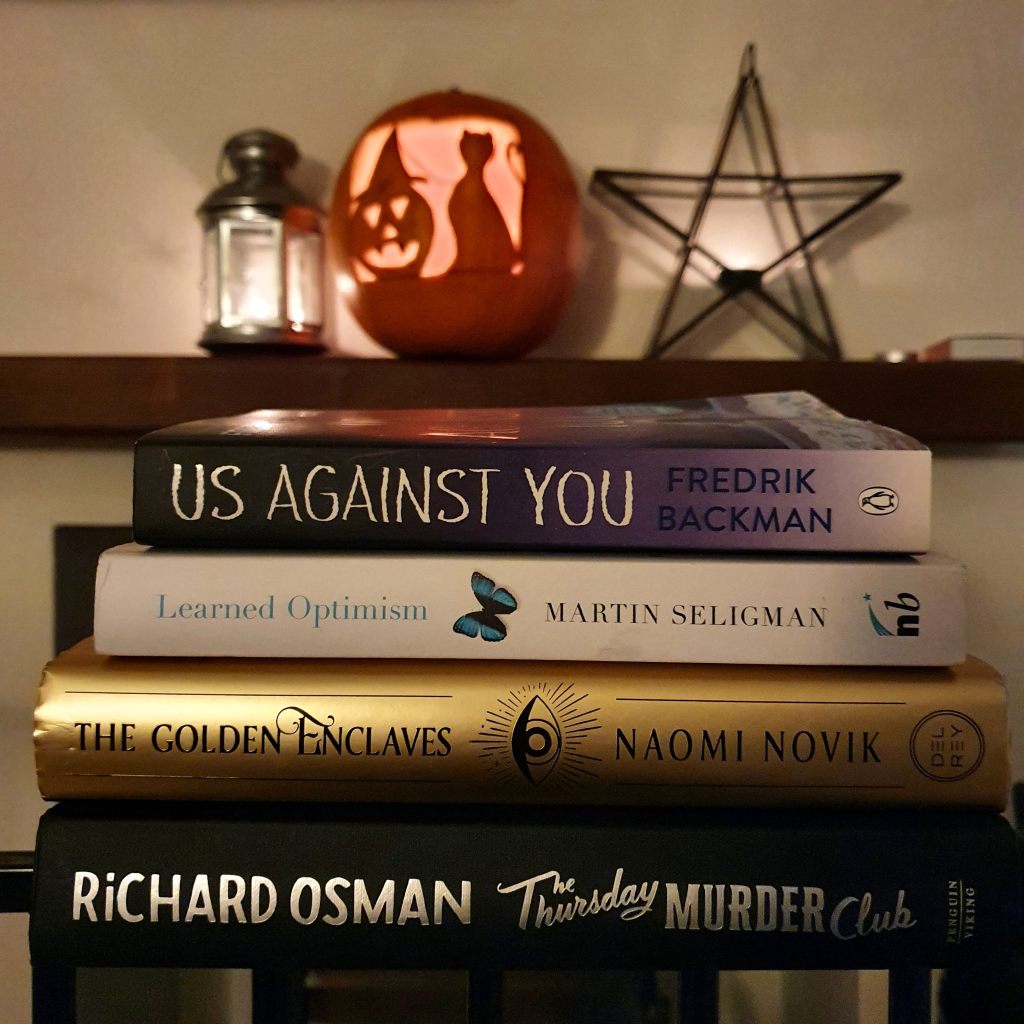
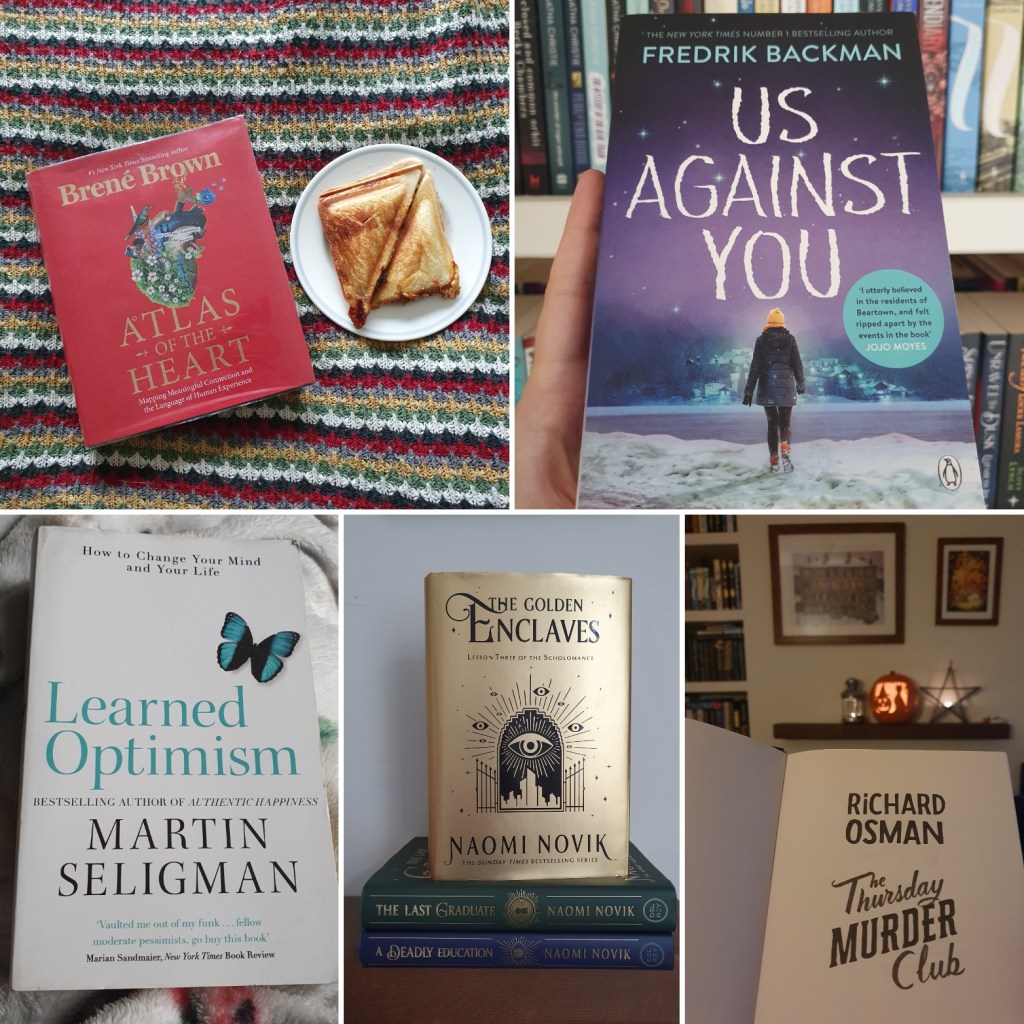
Sharing my October reads a little late but it was another good month for reading with a mix of fiction and non-fiction.

Atlas of the Heart by Brene Brown

I’ve been a fan of Brene Brown for a while but found this a bit different from her previous books, though it still covers similar themes such as shame, vulnerability, authenticity and courage, but reads like a dictionary of emotions and how to navigate them. Atlas of the Heart is an enjoyable and thought-provoking read, packed full of Brene Brown’s humour, wisdom and personal anecdotes.

Us Against You by Fredrik Backman

I read and loved Beartown back in January (reviewed here), but have been psyching myself up to read the second part of the trilogy as they are such gripping but tense and emotional stories of small town life that often remind me why I was so eager to escape to a city. Barely recovered from the events of Beartown, the little town suffers another scandal around their ice hockey team that leads to another tragedy. While the first book took aim at rape culture and how far the local community would go to protect their star player, the second focuses on homophobia in sports and is just as absorbing. I’m no sports fan, but I was completely drawn in to this story of marriage and families, friendships and rivalries, team and community.

Learned Optimism by Martin Seligman

My husband recommended Martin Seligman to me, and this was one of those books that overlaps different spheres of my life from work to parenting and personal development too, though this definitely falls into psychology rather than self-help. The focus of the book is about the link between learned helplessness, pessimism and depression, and Seligman argues that if these are learned behaviours, then optimism can be learned too. Seligman also makes a strong argument for developing an optimistic mindset given that research suggests it leads to living longer, healthier and happier lives. This book has some profound research on how we talk about events, setbacks and disappointments with kids for parents and teachers. Some of the research may seem a bit dated (a lot is from the 70s) but still relevant, and the book is obviously written from an American perspective with whole chapters on sports psychology, military recruitment and predicting presidential elections that aren’t necessarily relevant to other cultures or nationalities. The final third of the book focuses on developing thought-challenging techniques to combat pessimism, and understanding the link between thoughts, feelings and behaviour, that will probably be familiar to anyone that practices or has had CBT.

The Golden Enclaves by Naomi Novik

My most eagerly anticipated book of 2022 was the conclusion to the Scholomance Trilogy, and I’m still trying to put all my thoughts and feelings into words about it so will give this one a full length post. Despite a slow start The Golden Enclaves is full of revelations and kept me hooked until the last page trying to work out how it would resolve itself as El finds herself saving the Enclaves she was prophesied to destroy and caught between two of the most powerful Enclaves as they prepare for war against each other. I’ve thoroughly enjoyed this trilogy and The Golden Enclaves provides a very satisfying conclusion.

The Thursday Murder Club by Richard Osman

My husband bought this when it first came out but gave up on it halfway through, I picked it up recently and was gripped from the start. I enjoy a cosy crime murder mystery and found this one that has four aging, amateur sleuths trying to solve a local murder kept me guessing to the very end as it’s full of clues that didn’t quite fit together with plenty of misdirection and red herrings, and the ending was clever but a bit abrupt. I loved the mischievous and determined main characters who remind us that life doesn’t end in retirement, from the relatable and lovable Joyce to the rogue-ish ex trade union leader Ron, the still sharp as a scalpel psychiatrist Ibrahim, and mysterious ex-intelligence Elizabeth who is nothing short of a force of nature. The Thursday Murder Club was an unexpected delight, and I’ve asked Santa to put the second book in my Christmas stocking.

Have a lovely week. X

July Reading Wrapup

July was a slightly slower month for reading, but a good one with lots of thoughtful books.

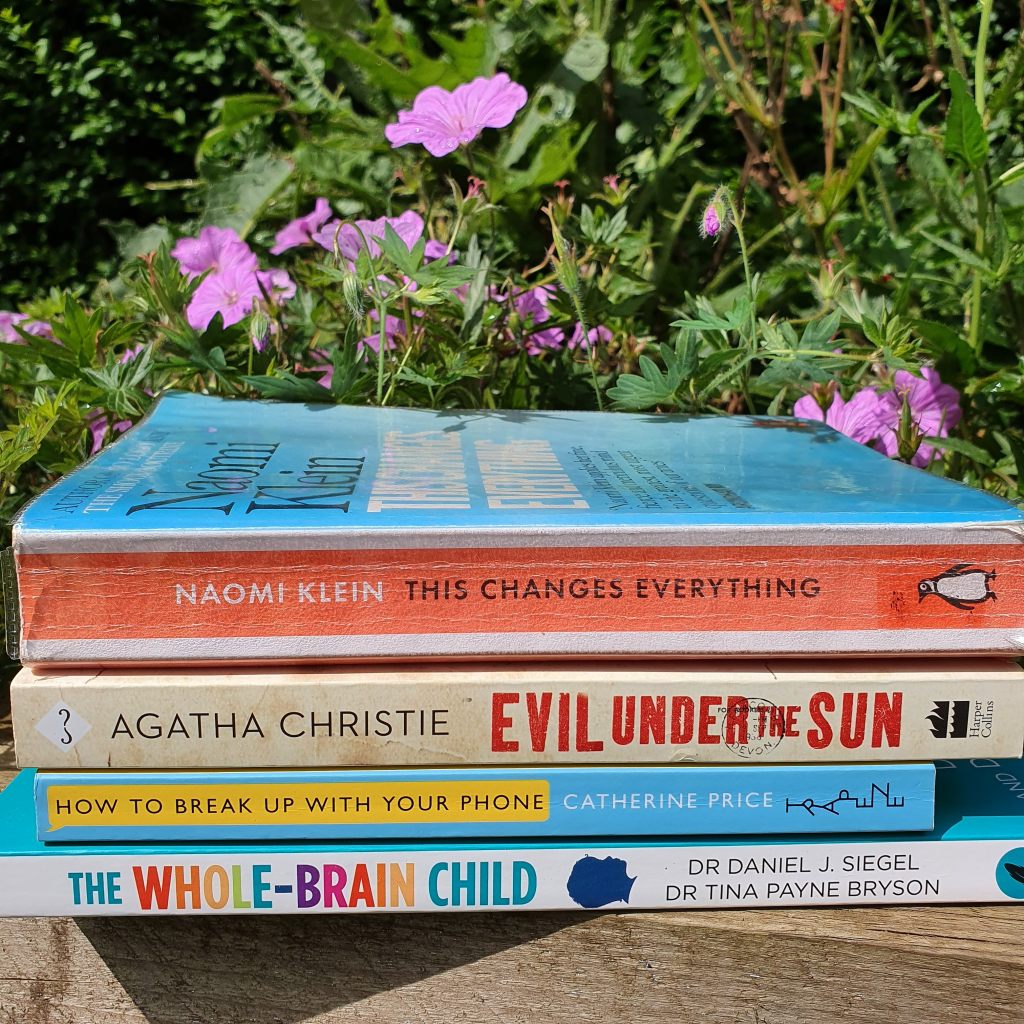
The Whole Brain Child by Dr Daniel J. Siegal and Dr Tina Payne Bryson

I’ve read a few parenting books this year, and I tend to prefer those that are underpinned by a solid understanding of child development. The Whole Brain Child is written by a psychologist and a neuroscientist, and seeks to help parents understand what different parts of a child’s brain do and how to integrate them to work together. I struggled to understand parts of this at times and may need to reread it to get a better grip on some of the concepts, and I also felt this was aimed at children older than my own daughter but there’s really helpful cribsheets at the back that describe how to apply each strategy for different age ranges.

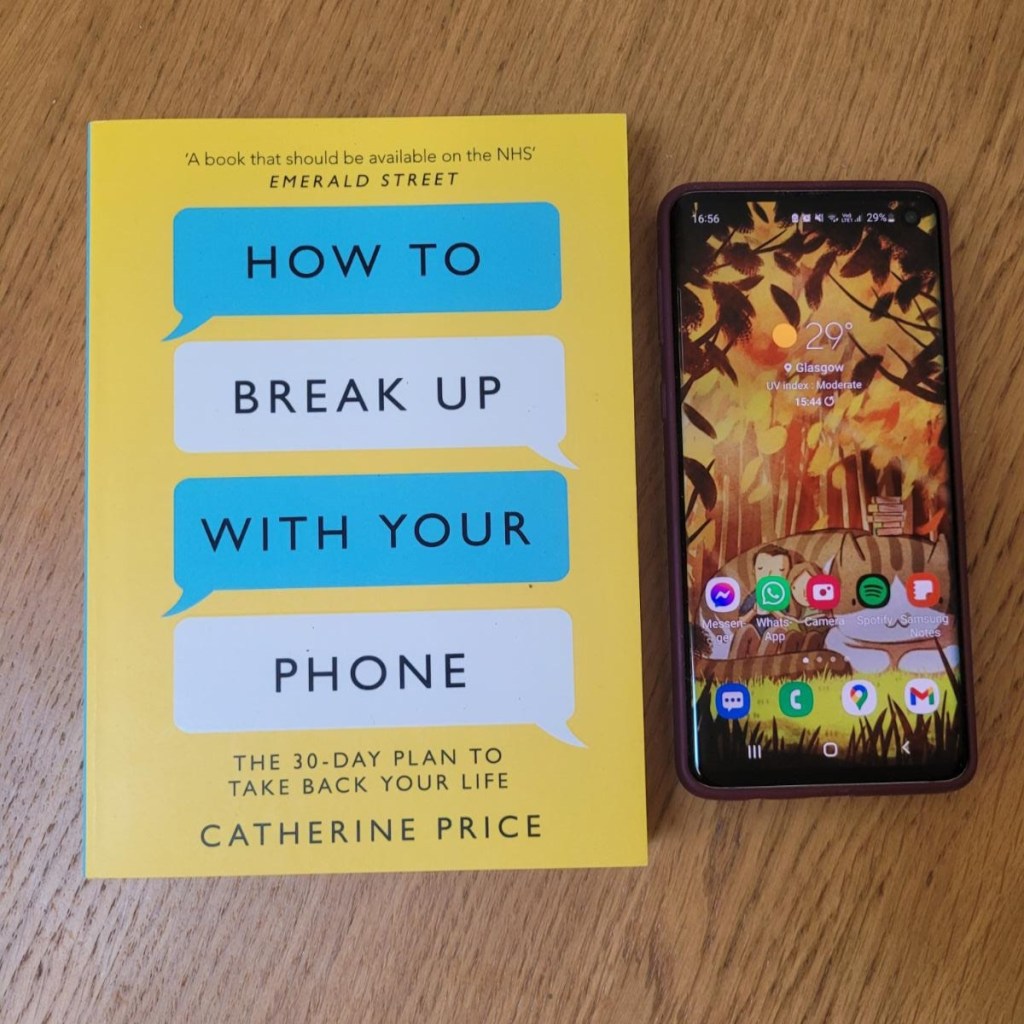
How to Break Up with Your Phone by Catherine Price

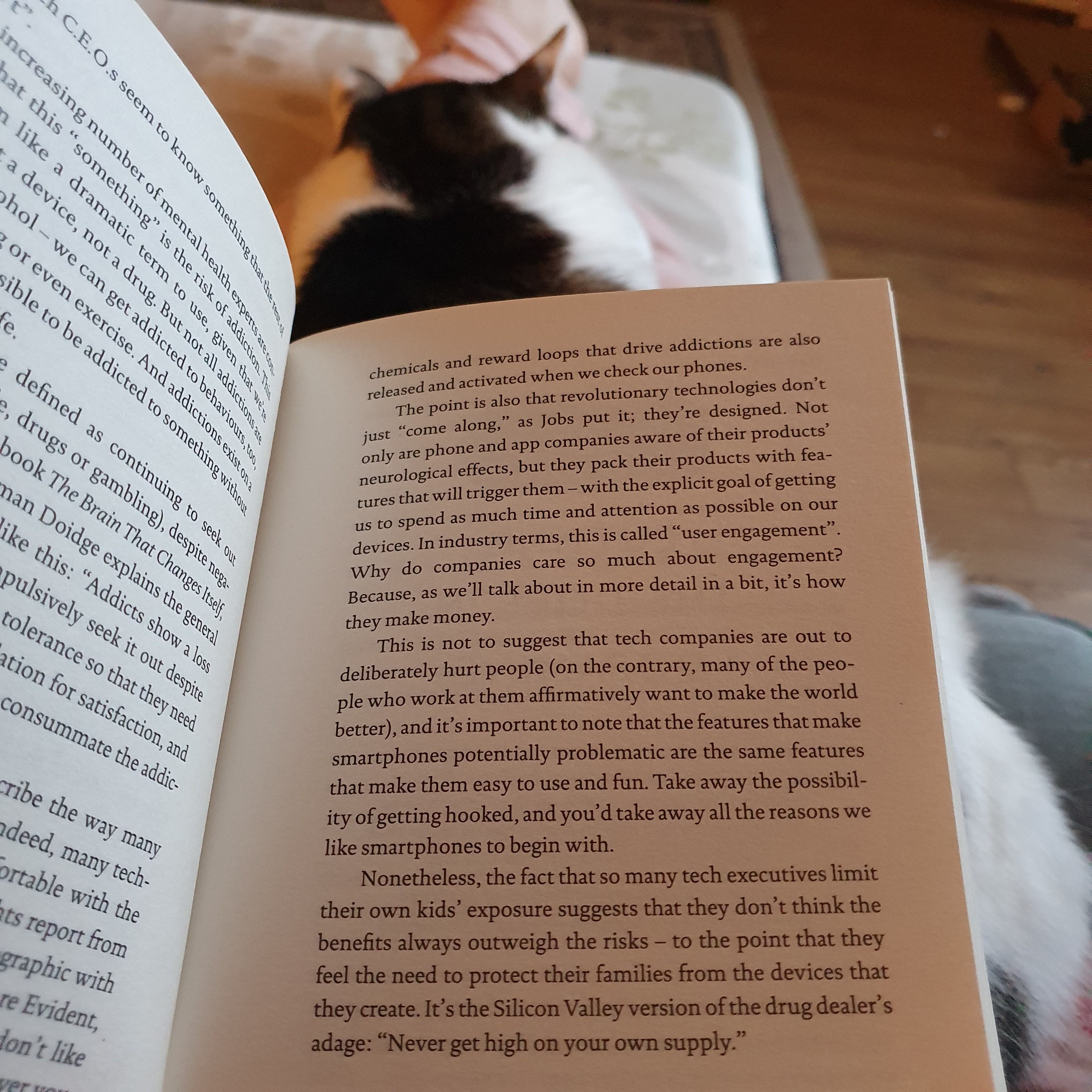
I attempted to read How to Break Up With Your Phone in 2020, but given how dependent we were on technology to keep in contact with family and friends during long periods of lockdown, it just didn’t seem like the right time. Picked it up again recently as I still want to reduce the amount of time I spend staring at a screen, and this really helped me to achieve my goal. The first half of the book focuses on explaining how and why smart phones, the internet and social media are so addictive, and how they are rewiring our brains, as well as making us more distracted, stressed, depressed and tired. The second half of the book gives practical advice and a 30 day detox plan on how to break our phone habits and create a healthier relationship with our phones. One of the aspects I really liked about this is that Price recognises how useful phones can be helping us with a variety of tasks from banking and navigation to camera and keeping in contact with others, so she doesn’t advocate getting rid of our smart phones altogether, just creating boundaries around their use to help us save time, improve our relationships and end the constant state of distraction many of us are stuck in. I haven’t followed the plan exactly but it’s full of useful advice from buying an alarm clock and changing where you charge your phone to installing an app blocker, and understanding why (curiosity, boredom and loneliness, etc)
we reach for our phones in the first place.

Evil Under The Sun by Agatha Christie

Set on a secluded island off the coast of Devon, Hercule Poirot is on holiday when he finds himself investigating the murder of the seductive actress Arlena Stuart. There’s no shortage of suspects with motives and plenty of red herrings along the way. I loved this story until the reveal in the last couple of chapters, but felt a bit cheated as it’s a clever mystery and solving it relies on a key peice of information that isn’t uncovered until near the end, but Evil Under the Sun is still a thoroughly gripping whodunit.

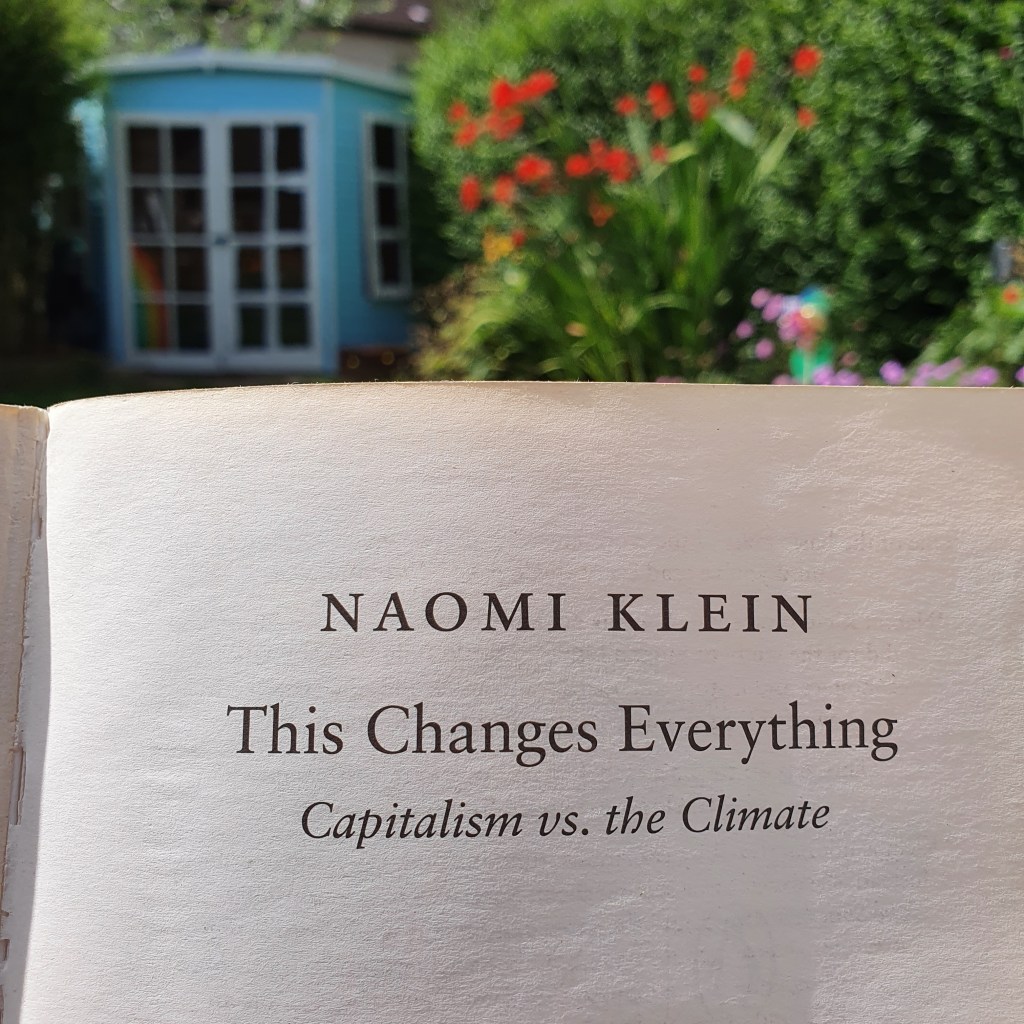
This Changes Everything by Naomi Klein

A comprehensive book about how climate change and capitalism are intertwined. Split into three parts, the first part considers how we ended up in our current situation, from the invention of the steam engine and the Industrial Revolution through to neoliberalism, deregulation and free market economy, covering climate change denial largely funded by the fossil fuel industry, and how NAFTA and WTO undermined investment and trade in green technology, while the Kyoto Protocol and climate summits have balked at regulating or holding the biggest polluters to account over the years.
The second part considers all the ways we’ve tried to avoid reducing carbon emissions and Klein debunks carbon offsetting, pining our hopes on philanthropic billionaires who are often heavily invested in polluting industries (like Richard Branson and Bill Gates), and some of the scientific community’s frankly terrifying proposals about how to geo-engineer the climate to reduce global warming (seriously, look up sun dimming).
One of the most compelling arguments is that the same individuals and industries that are exploiting natural resources in their relentless quest for growth and profit, are also exploiting employees and customers as well as polluting the water, air and soil, and this really ties together how climate change and social justice are connected.
The final section offers more hope recounting how protests have erupted all over the world against the Keystone XL pipeline, Arctic drilling and fracking, often leading to legal challenges, moratoriums and bans. This Changes Everything is a little dated (published in 2014 when Obama was still president and before Brexit here in the UK) but it’s still informative, terrifying, inspiring and a great place to start if you’re interested in climate change or conservation.

Have a lovely week. X

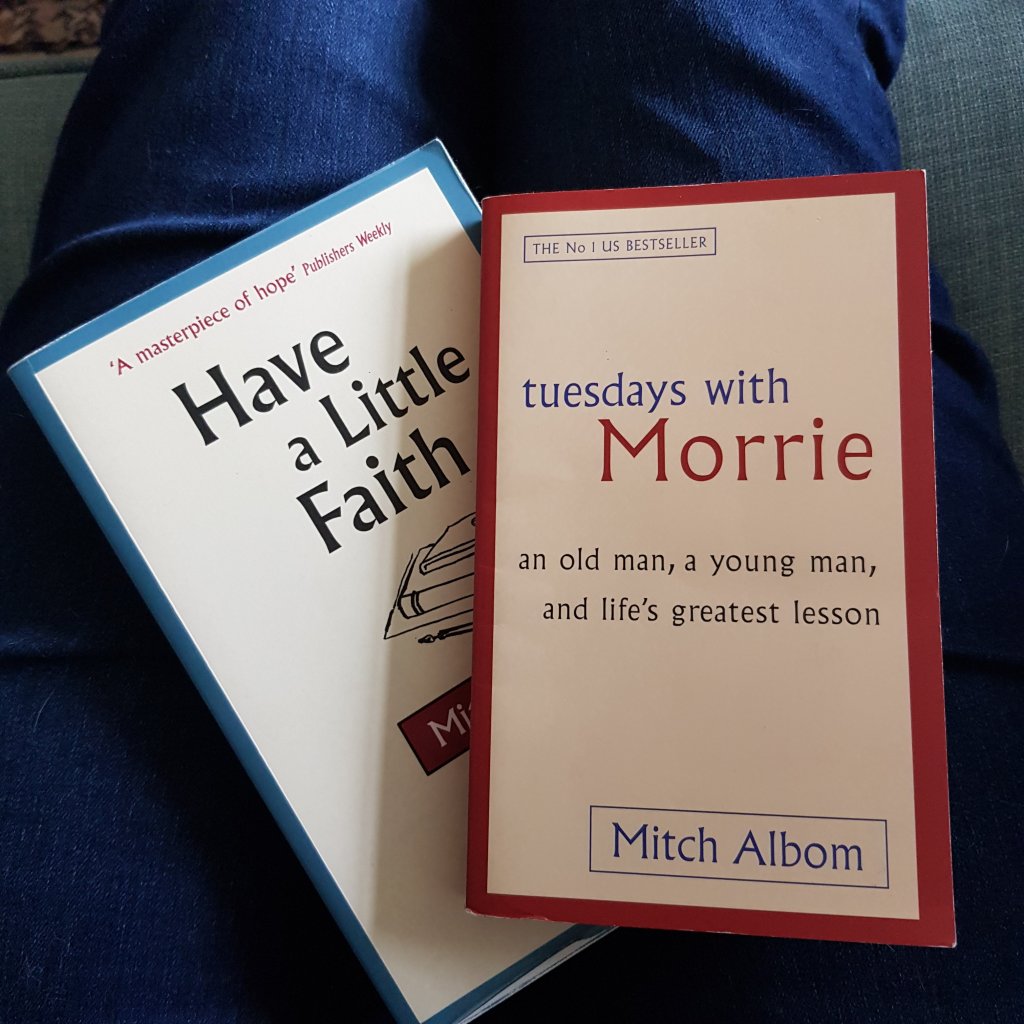
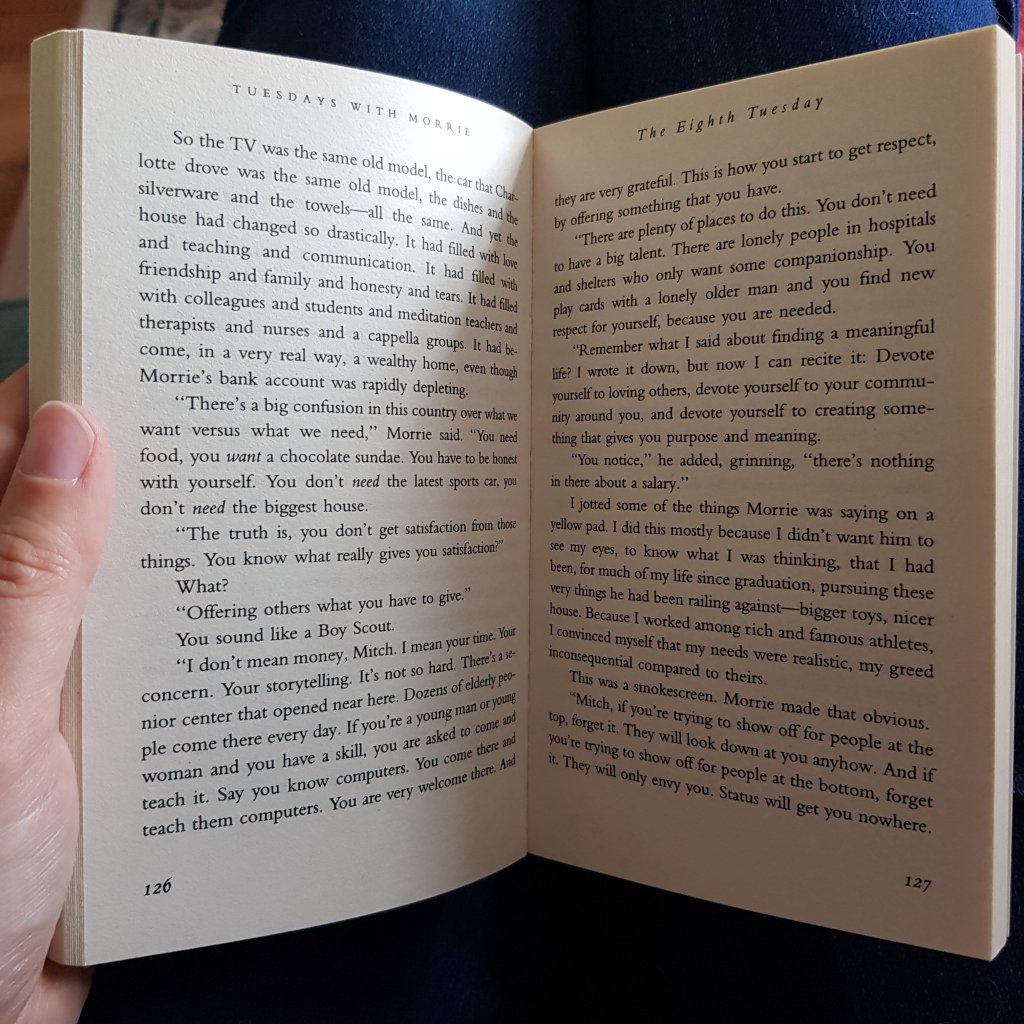
Tuesdays with Morrie by Mitch Albom

Albom finds out his old college professor, Morrie Schwartz, has been diagnosed with motor neuron disease (ALS) and has only a short time left to live, and sixteen years after they last saw each other, Albom resolves to reconnect with his mentor.

Albom was burning the candle at both ends, he worked constantly and conflated busy-ness with purpose, happiness and his own self-worth. When the unions went on strike at his newspaper, he was forced to confront the emptiness of his life. Suddenly with lots of time and no excuses, he decides to visit Morrie on a Tuesday, which become regular visits until the end of his mentor’s life.

Having read Have a Little Faith (reviewed here) before this, it’s clear they share similar themes as Albom considers what it is to have lived life well. We live like our time is infinite, yet when confronted with death, many of us regret how much time we’ve wasted. Knowing that their time is limited and determined not to waste it, Albom writes a list of topics he wants to discuss with Morrie such as aging and death, wealth, consumerism and charity, friendship and marriage.

Albom doesn’t shy away from describing Morrie’s deteriorating health and the descriptions of the progression of Morrie’s disease are humbling, yet even as his body fails him, his spirit does not. Self-pity is not in Morrie’s nature, instead he’s grateful he can spend the last months of his life with the people he loves most and has the chance to say goodbye – a privilege denied to many.

Tuesdays with Morrie is about the profound influence that mentors can have on our life and the lessons they teach us, it’s an incredibly poignant but inspiring little book about living and dying. Have a lovely week. X

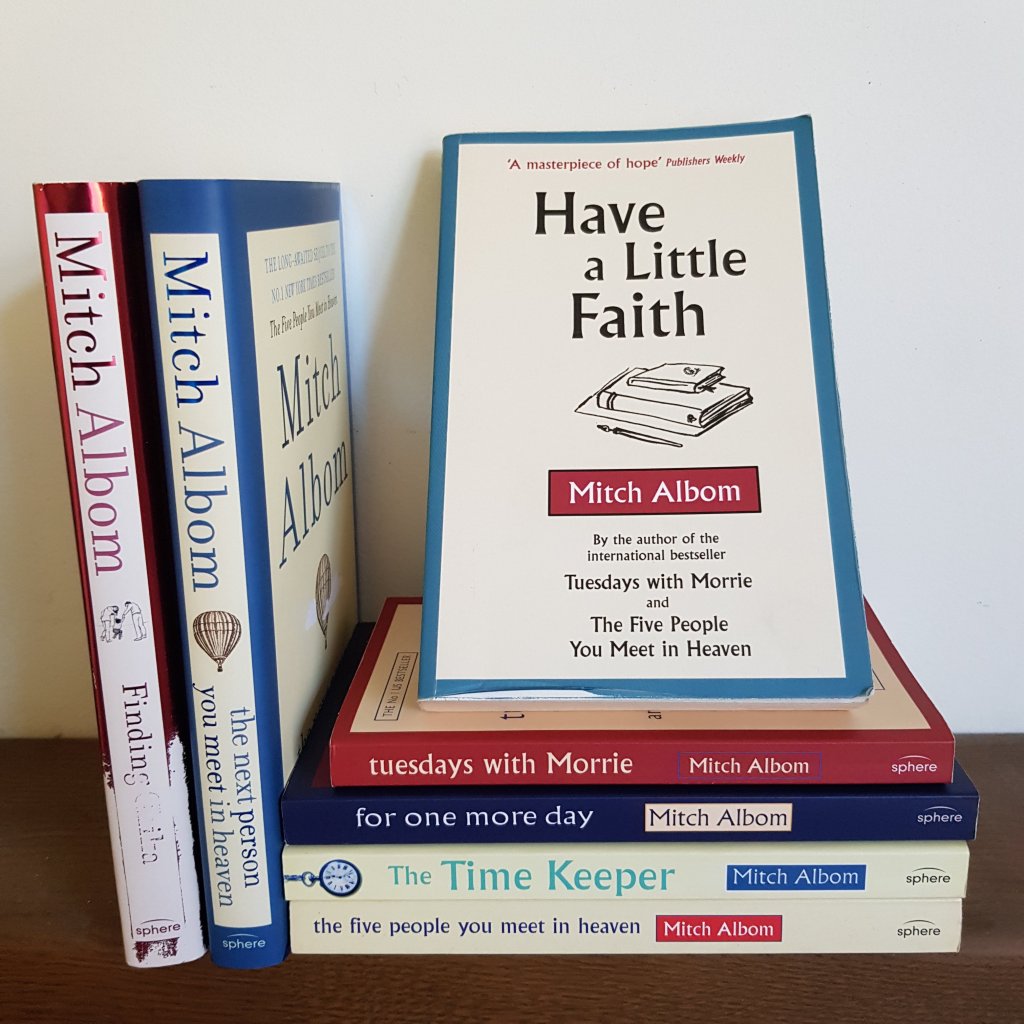
Have A Little Faith by Mitch Albom

For a couple who met in a bookshop, my husband and I rarely swap books, but he’s been nagging me to read Mitch Albom for years, and while he’s been reading the newest Finding Chika, I decided to read my husband’s favourite, Have A Little Faith.

The gist of Have A Little Faith is that Mich Albom is asked by Albert Lewis, the Rabbi who has known him since childhood, to give his eulogy when he dies. Albom reluctantly accepts but realises that he’d better get to know his Rabbi as a person first, and what Albom expects to be a short series of interviews, becomes regular visits and a close friendship spanning eight years.

The narrative switches between conversations with the Rabbi, the writer’s own thoughts and experience of religion, and the life of Henry Covington, and at first it’s difficult to see how they all intersect.

Henry’s story is one of redemption, as he goes from a Brooklyn drug dealer to the pastor of a dilapidated church in Detroit where homeless people congregate for food and shelter.

This isn’t a book trying to convert agnostics and atheists, but covers a range of topics that will resonate with those of all faiths and none, such as family and community, tolerance and prejudice, charity and gratitude, regret and forgiveness, mortality and grief.

Have A Little Faith was probably an unusual choice to start with but it won’t be the last of Mitch Albom’s books I read. Hope everyone reading is safe and well. X

21 Miles by Jessica Hepburn

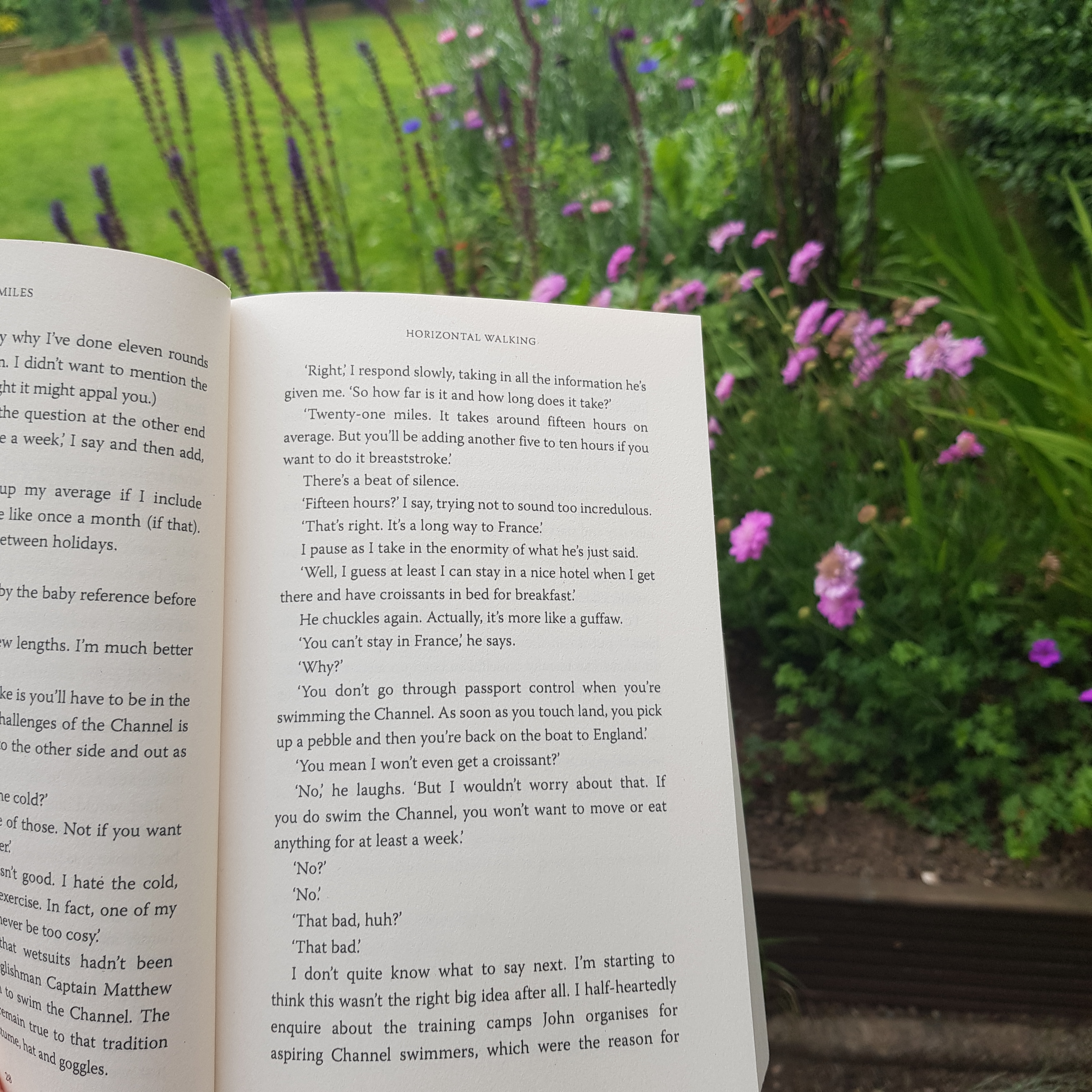
21 Miles

At the age of 43, after ten years and eleven cycles of IVF, Jessica Hepburn decides it’s time to give up on her dream of motherhood and get on with her life. Hepburn remembers an old childhood ambition and starts investigating whether or not she can actually achieve it. At first her dream of swimming across the English Channel seems as impossible and out of reach as motherhood, but Jessica turns the same dogged tenacity she put into a decade of fertility treatments into swimming. In terms of difficulty, she points out, more people have climbed Mount Everest than swam across the Channel.

One unexpected benefit of her ambition is that following the example set by Captain Matthew Webb in 1875, she won’t be able to wear a wet-suit and is encouraged by her swimming coaches to put on body fat to help her keep warm in the water. In order to help her put on weight, Jessica decides to have lunch with a list of 21 inspirational women (only some of whom are mothers) from neuroscientists and polar explorers to the founder of Mumsnet, an MP and a ballerina to discuss whether motherhood makes women happy.

21 Miles2

Over the course of her training, Jessica has to overcome her doubters and her own self-doubt, as well as her aversion to cold water and fear of jellyfish. Working her way slowly from swimming in the Serpentine lake in Hyde Park to open water, and finally her solo voyage across the Channel, I found myself rooting for Jessica and welling up during the description of her crossing.

Written with self-deprecating humour that had me chuckling out loud, this is also a thought-provoking and poignant book as Jessica doesn’t shy away from describing her disappointment and grief at not being able to have children, the shame and isolation of infertility, and the strain it put on her relationship. Unlike a lot of other books written about infertility, 21 Miles doesn’t end with Jessica having a baby, and yet it is life-affirming and inspiring. Throughout this book, Jessica considers the complex relationship women have with food, as well as the difficulties in her relationship with her partner, her relationship with her own parents, the social pressure to have children and the tension that sometimes exists between mothers and childfree or childless women, and in many ways, 21 Miles is as much about the modern experience of being a woman as it is about swimming or motherhood. Have a lovely week! X

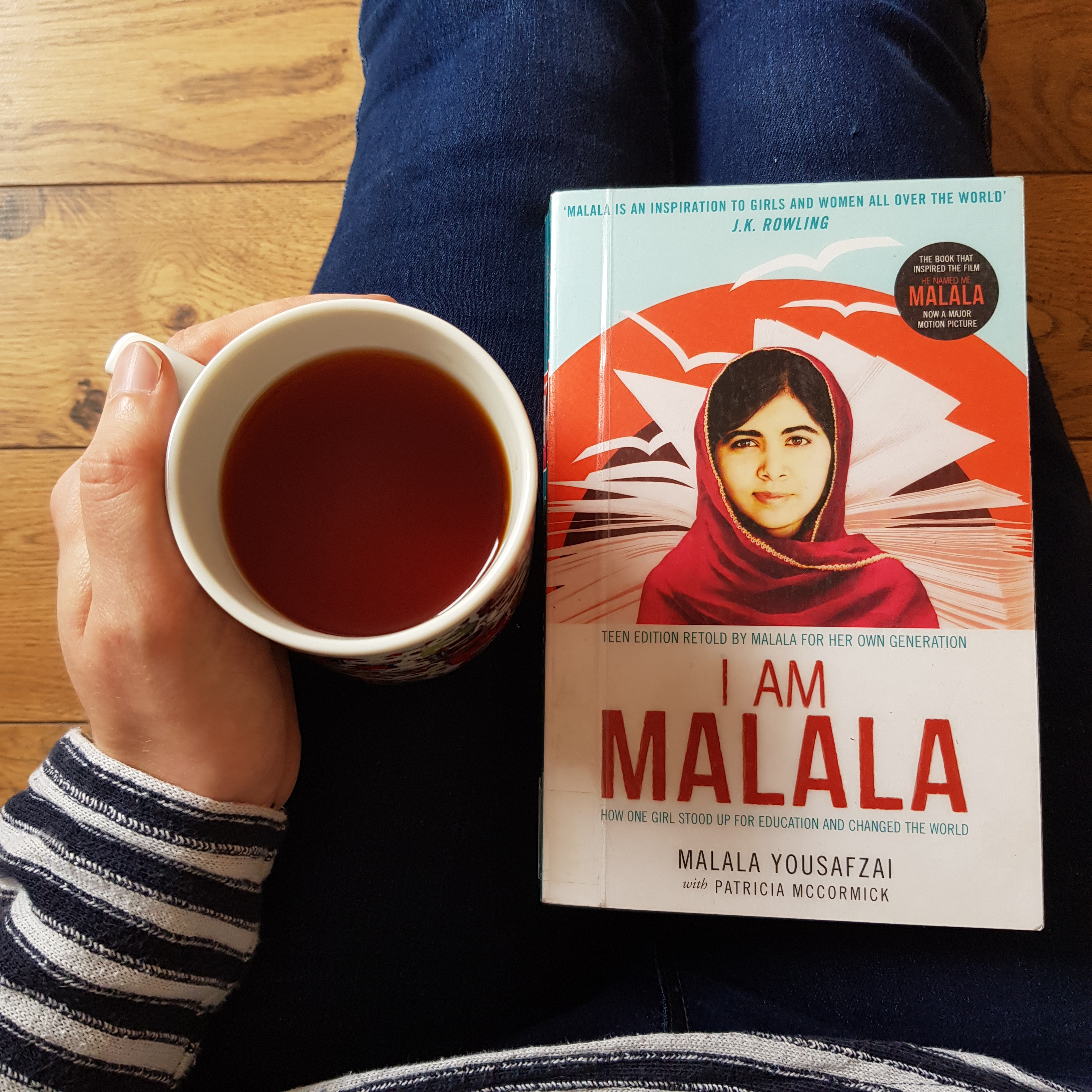
I am Malala by Malala Yousafzai

I_Am_Malala

I Am Malala is one of those books that I’ve been meaning to read forever and I ended up borrowing a copy from the local library. In many ways, Malala comes across as a very ordinary teenager who bickers with her little brothers and worries about her exams, and I really enjoyed her vivid descriptions of her life in Pakistan, playing with the little girl next door, listening to her father and his friends chat about politics, visiting relatives in the mountain village where her parents came from, the sense of family and community, and her dawning awareness of living in a patriarchal society.

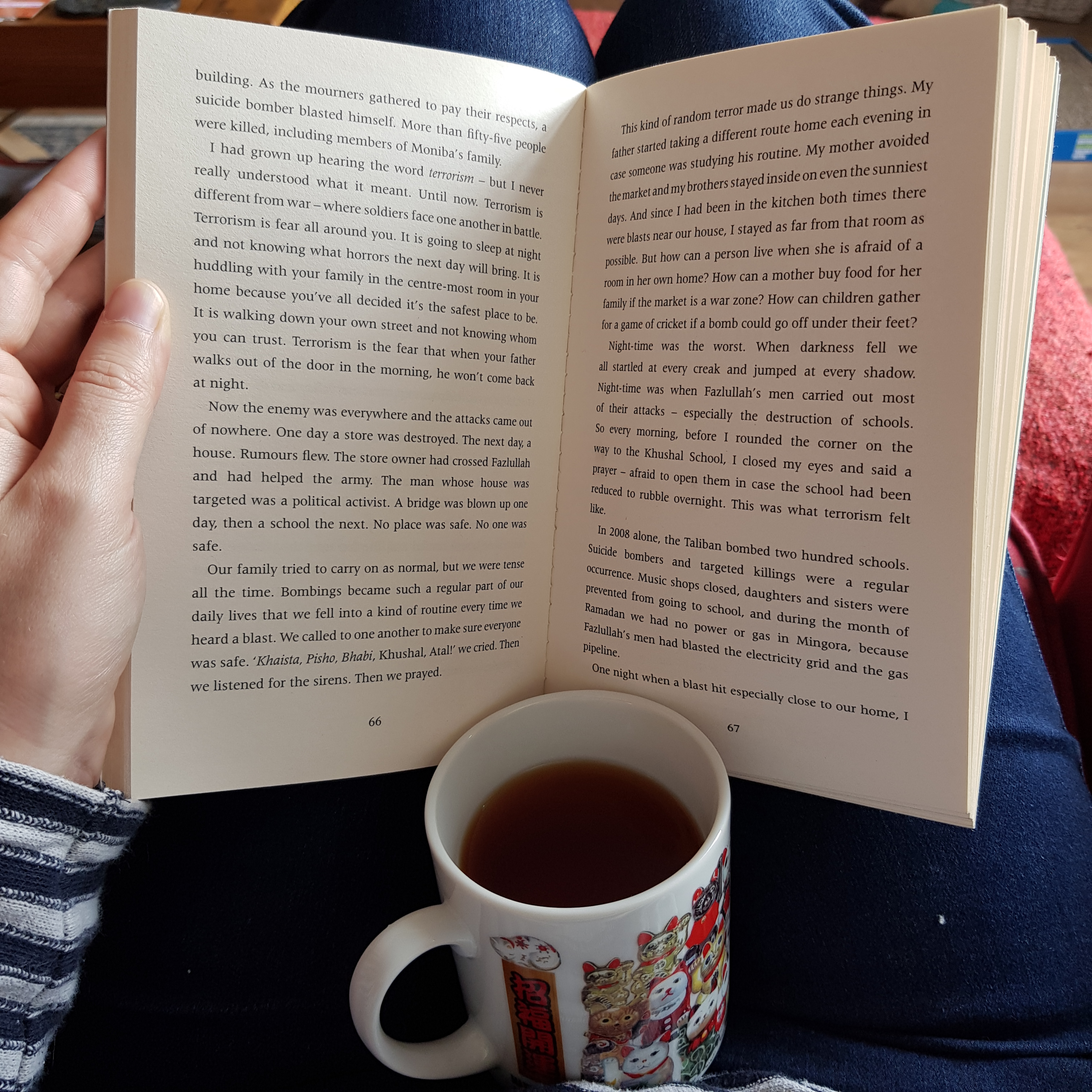
Malala recalls being vaguely aware of the Taliban and Al-Qaeda in neighbouring Afghanistan but – as I’m sure many people reading can relate – that was something happening somewhere else, until their influence slowly started spreading. Malala describes how a militant group of fundamentalists seized upon the chaos and destruction created by a devastating earthquake to extend their influence and occupy North West Pakistan where she lived, bringing terror, torture, murder and civil war to her home.

I_Am_Malala2

The day that Malala was shot by a Taliban terrorist was just another day up until that event, and she recalls the confusion and disorientation of waking up in an unfamiliar place with no memory of what happened and feeling desperately worried about her family. Malala clearly expresses her humility and gratitude at being alive, reunited with her family and their new life in the U.K. with all the freedom and safety it provides, but it is also tinged with homesickness for Pakistan and all her friends there.

Malala comes across as a young woman shaped by her circumstances, she recognizes how fortunate she was that her parents supported and encouraged her education, and how her family were ordinary people caught up in the conflict between the Pakistani government and terrorists, yet instead of being cowed and frightened into submission, Malala developed a sense of purpose and her determination and courageousness shine throughout this biography. I Am Malala is every bit as powerful and thought-provoking as I expected, and ultimately Malala chooses to define herself not as the girl who was shot by the Taliban but as an advocate for education. Have a lovely week! X

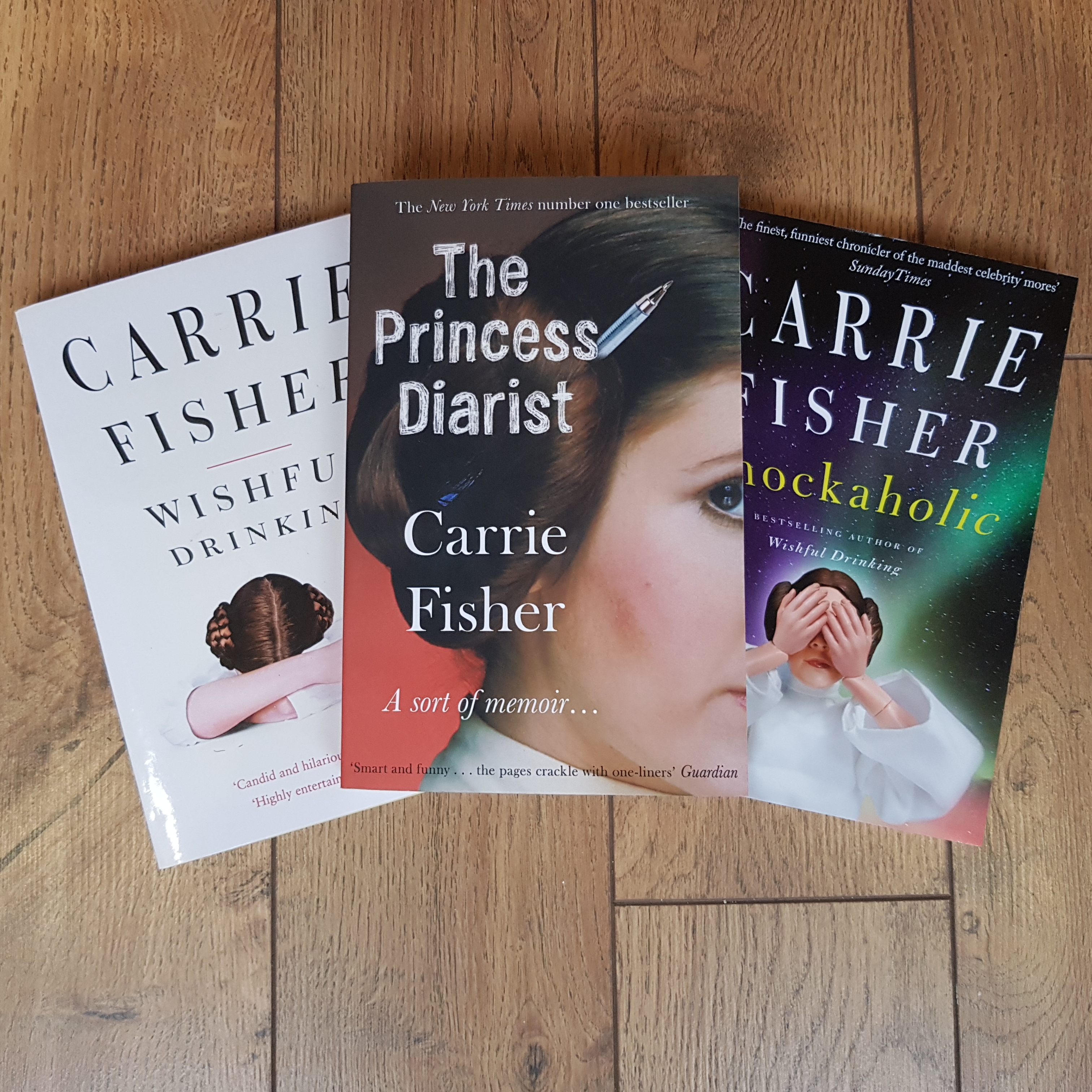
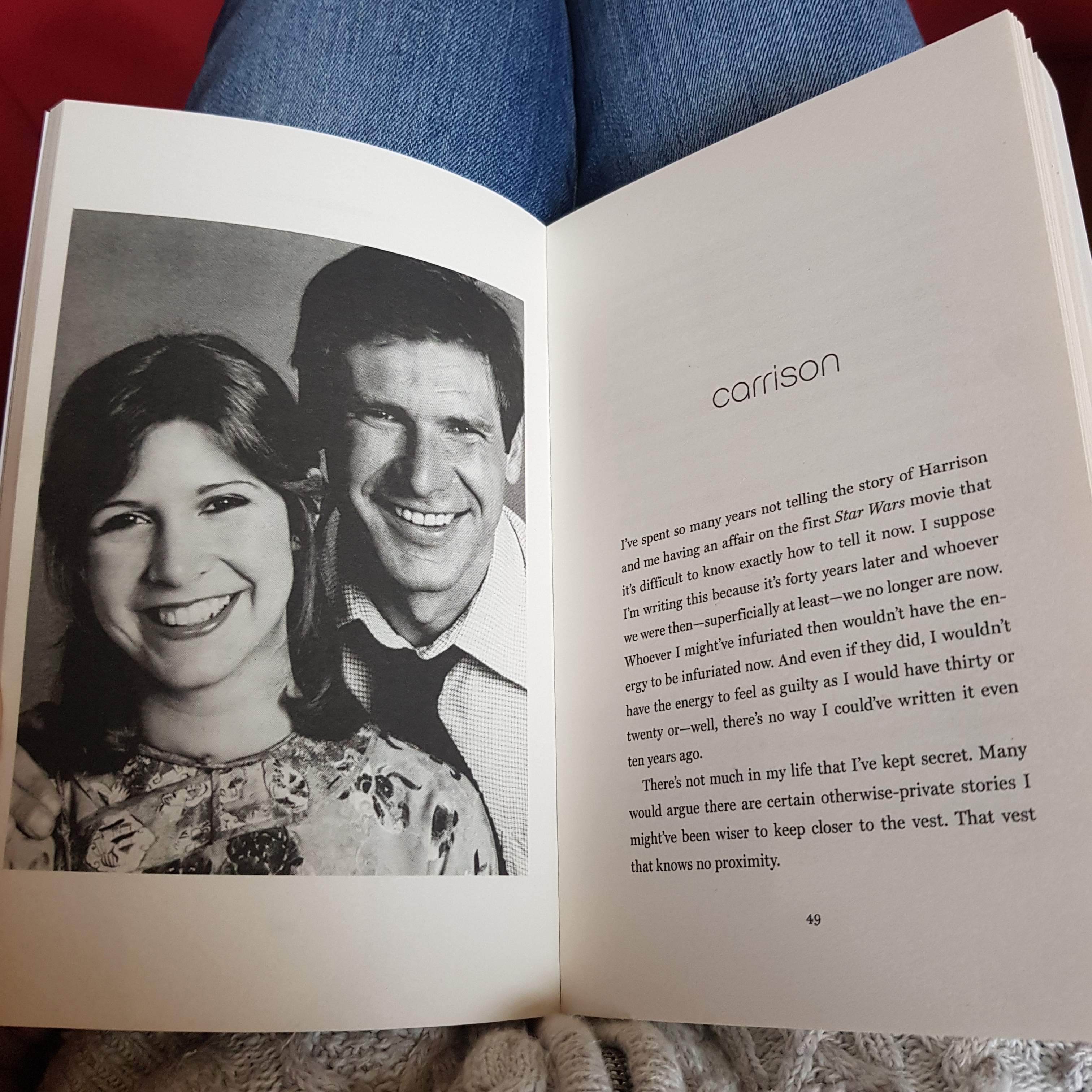
The Princess Diarist by Carrie Fisher

PrincessDiarist

For almost as long as I can remember I’ve been a Star Wars fan, and my affection for the franchise is in no small part due to the sassy, blaster-wielding Princess who bossed her male counterparts around and was always at the forefront of the action.

Carrie was apparently inspired to write The Princess Diarist when she stumbled upon the diaries she wrote while filming Star Wars: A New Hope, and decided that forty years after the event, the public revelation of her affair with Harrison Ford would cause minimal damage to those involved.

The Princess Diarist starts with Carrie recounting her decision to step out of her celebrity parents’ shadows, and how at the age of nineteen she was cast as Princess Leia in a low-budget “space fantasy” simply called Star Wars. I sometimes wonder how faithful her recollection of events is but I can’t deny it’s entertaining to read about some of the changes in the original script, the process of finding that iconic hairstyle and various other behind the scenes moments between the cast and crew. However, for what is ostensibly a kiss-and-tell memoir, Carrie Fisher is remarkably tight-lipped about the details of her love affair with Harrison Ford.

PrincessDiarist2

The mid-section contains poems and direct extracts from the diaries she wrote in 1976, and this part lags a little as the diary entries are rambling, self-indulgent and laced with Carrie’s teenage insecurities.

The final part explores the cultural phenomenon Star Wars became, and some readers might be offended by the way she describes the rabid fans and their sense of entitlement for autographs and selfies, yet I suspect she probably understood why the Star Wars characters are so beloved because she admitted that there were times throughout her own life when she wished she was more like Leia. I also found it interesting reading about the different ways male and female fans respond to her character, and she doesn’t shy away from sharing details of some of her experiences and observations about Hollywood sexism (and ageism).

I suspect that Star Wars fans may be disappointed that she doesn’t share more behind the scenes secrets and people expecting a more linear biography may also be disappointed, but Carrie’s inimitable style, humour and candour still make The Princess Diarist an easy and enjoyable read. Have a lovely week! X

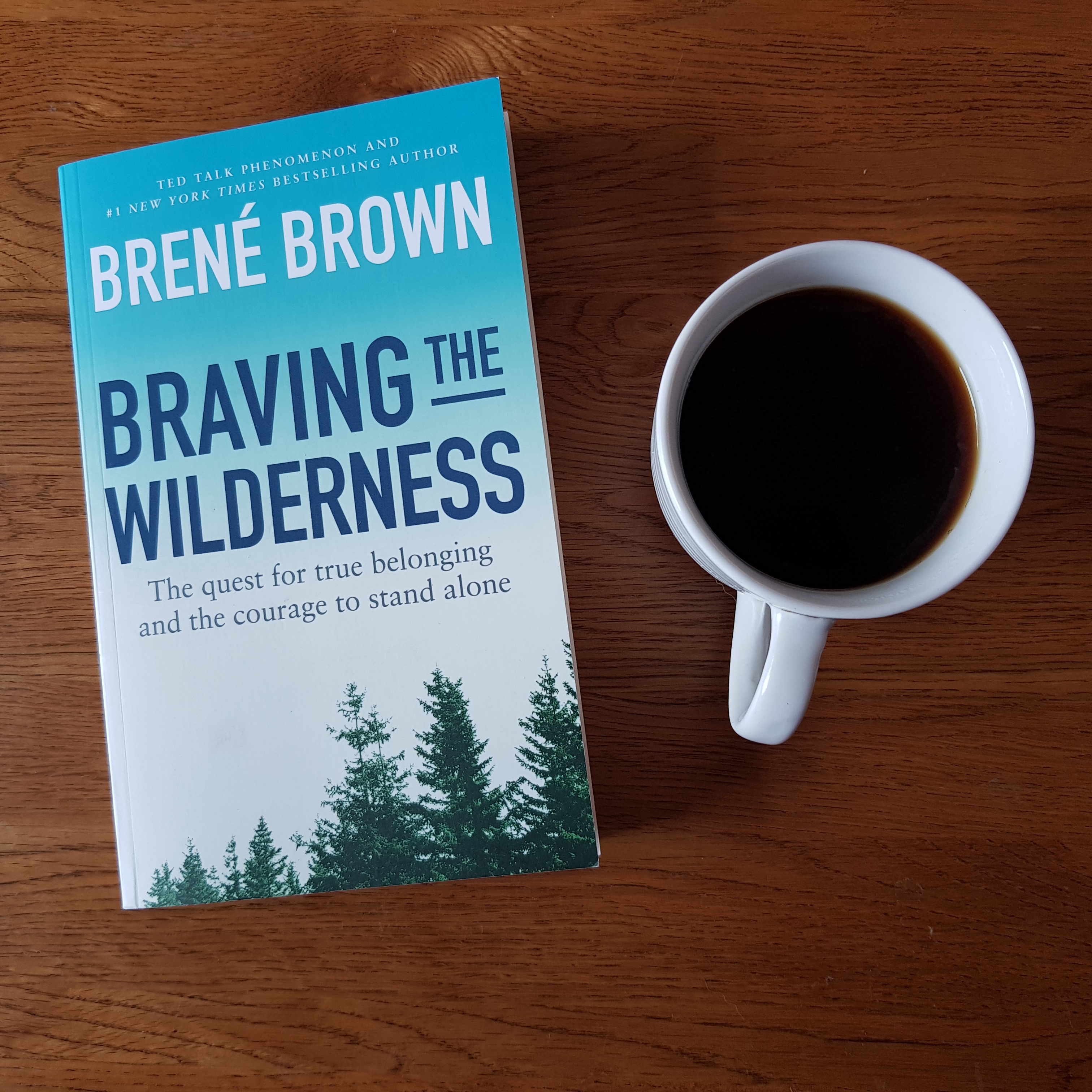
‘Braving the Wilderness’ by Brene Brown

Braving theWilderness1

I often read books with themes that mirror something I’m going through in real life at the time, and I recently found myself picking Braving the Wilderness by Brene Brown off the shelf. I first learned about Brene Brown’s research through her TED talks on vulnerability and shame, and over the last few years I’ve drawn so much comfort and inspiration from her books that have helped me to navigate difficult transitions and encouraged me to be more authentic, vulnerable and courageous in my personal life and career.

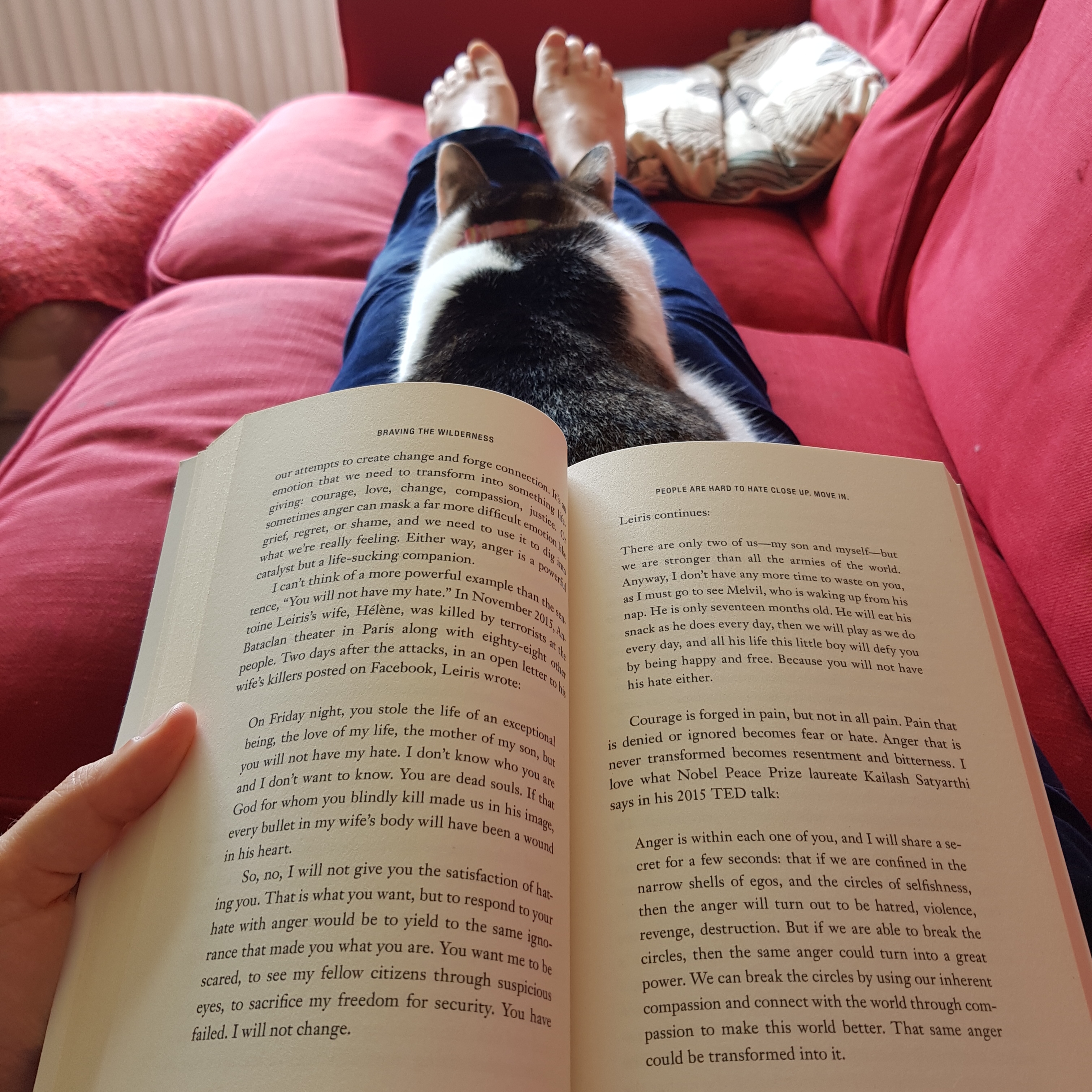
Braving the Wilderness builds on Brene Brown’s previous books but has a distinctly political edge as she explores how we hide who we really are in order to fit in, and how political rhetoric has become increasingly intolerant, dehumanizing and divisive as leaders call upon their followers to oppose anyone who disagrees with their opinions or values. This book is very much about being curious and listening to other perspectives, as well as being honest about our own, but it’s also about having the moral courage to stand up for what we believe is right even if it means standing alone.

Braving theWilderness2

I find it so easy to relate to Brene Brown, and this is written with the same honesty, humility and humour as her other books, yet it’s not an easy read as it challenged me to reflect on the times when my own fear of criticism, conflict, loneliness and rejection lead me to settle for fitting in instead of belonging, and how sometimes the things we do to avoid feeling pain end up causing us more heartache and suffering in the long run.

Braving the Wilderness didn’t have the profound impact on me that I Thought It Was Just Me or Rising Strong did, but it still feels like a pertinent discussion on how to overcome some of the barriers to communication, understanding and connections in the current socio-political climate. Have a lovely week. X