
July was a slightly slower month for reading, but a good one with lots of thoughtful books.
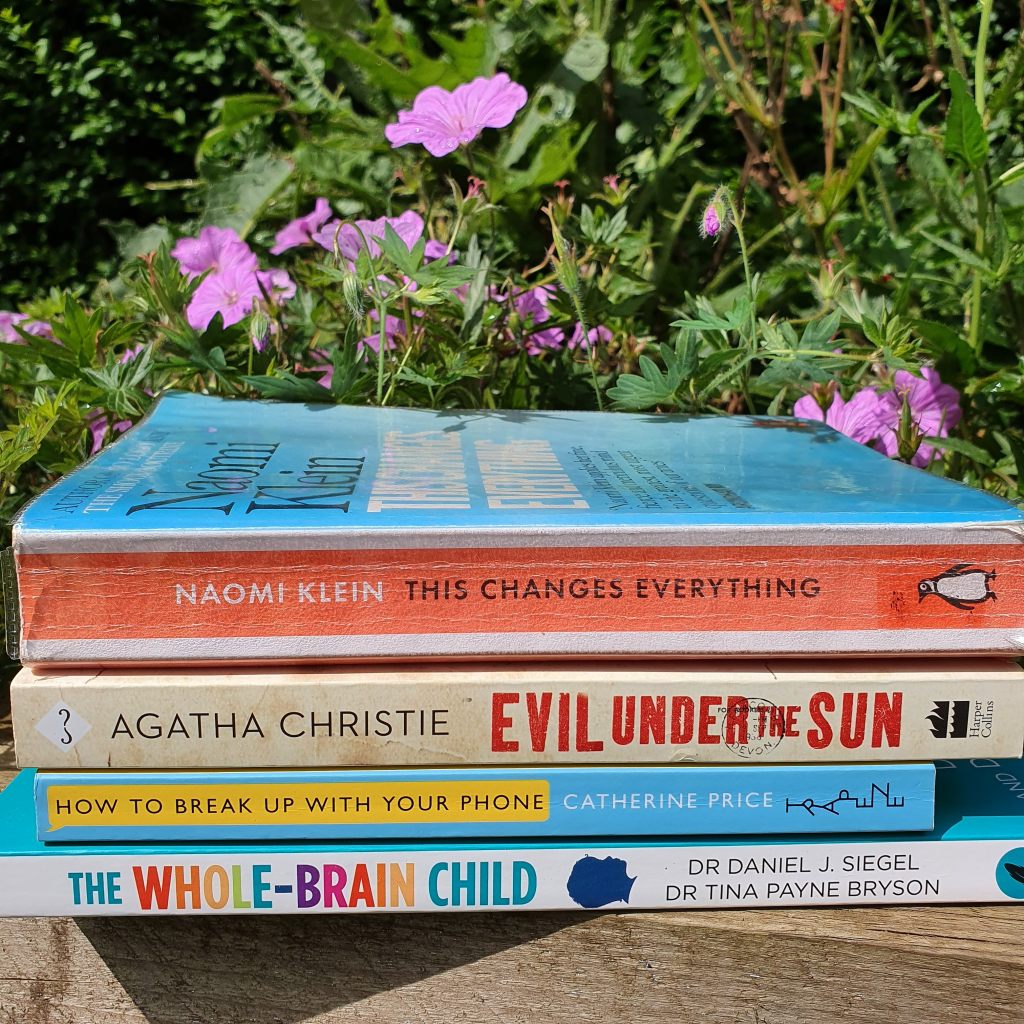
The Whole Brain Child by Dr Daniel J. Siegal and Dr Tina Payne Bryson
I’ve read a few parenting books this year, and I tend to prefer those that are underpinned by a solid understanding of child development. The Whole Brain Child is written by a psychologist and a neuroscientist, and seeks to help parents understand what different parts of a child’s brain do and how to integrate them to work together. I struggled to understand parts of this at times and may need to reread it to get a better grip on some of the concepts, and I also felt this was aimed at children older than my own daughter but there’s really helpful cribsheets at the back that describe how to apply each strategy for different age ranges.
How to Break Up with Your Phone by Catherine Price
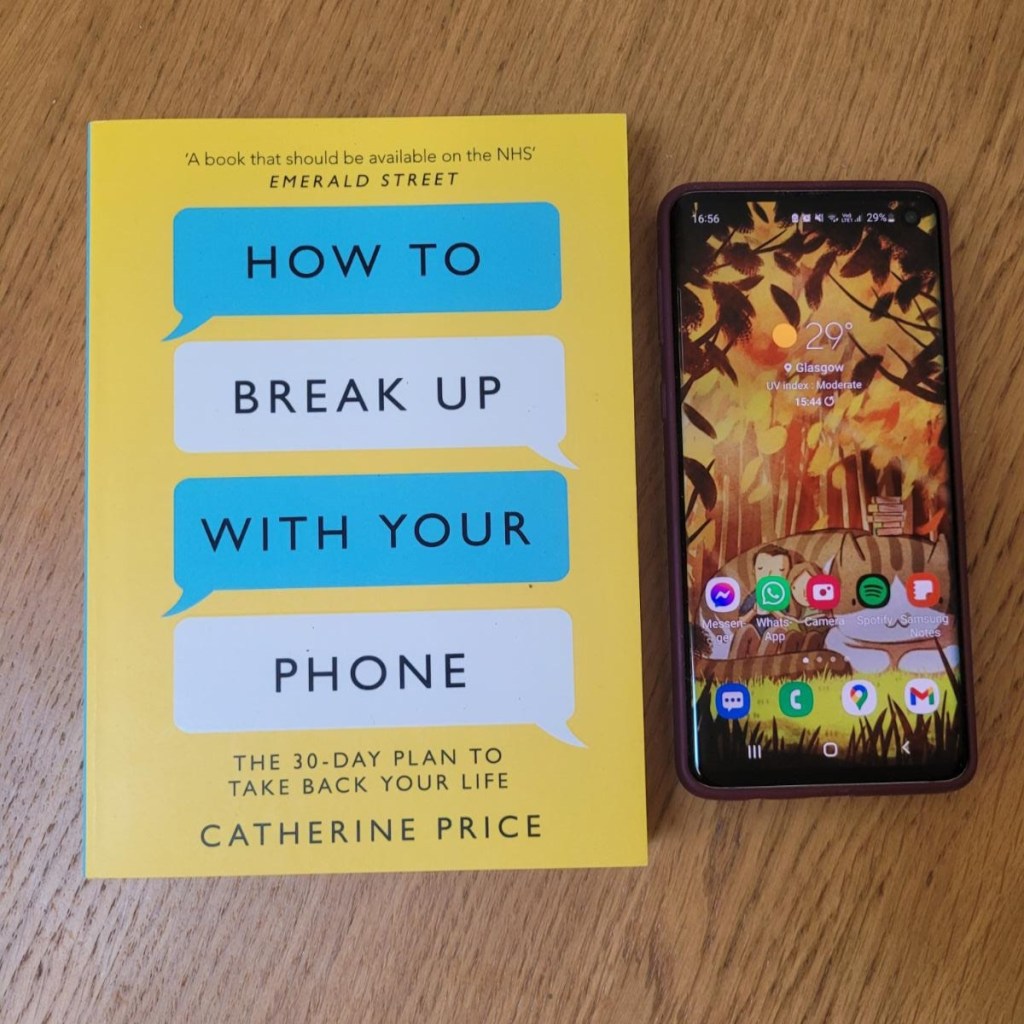
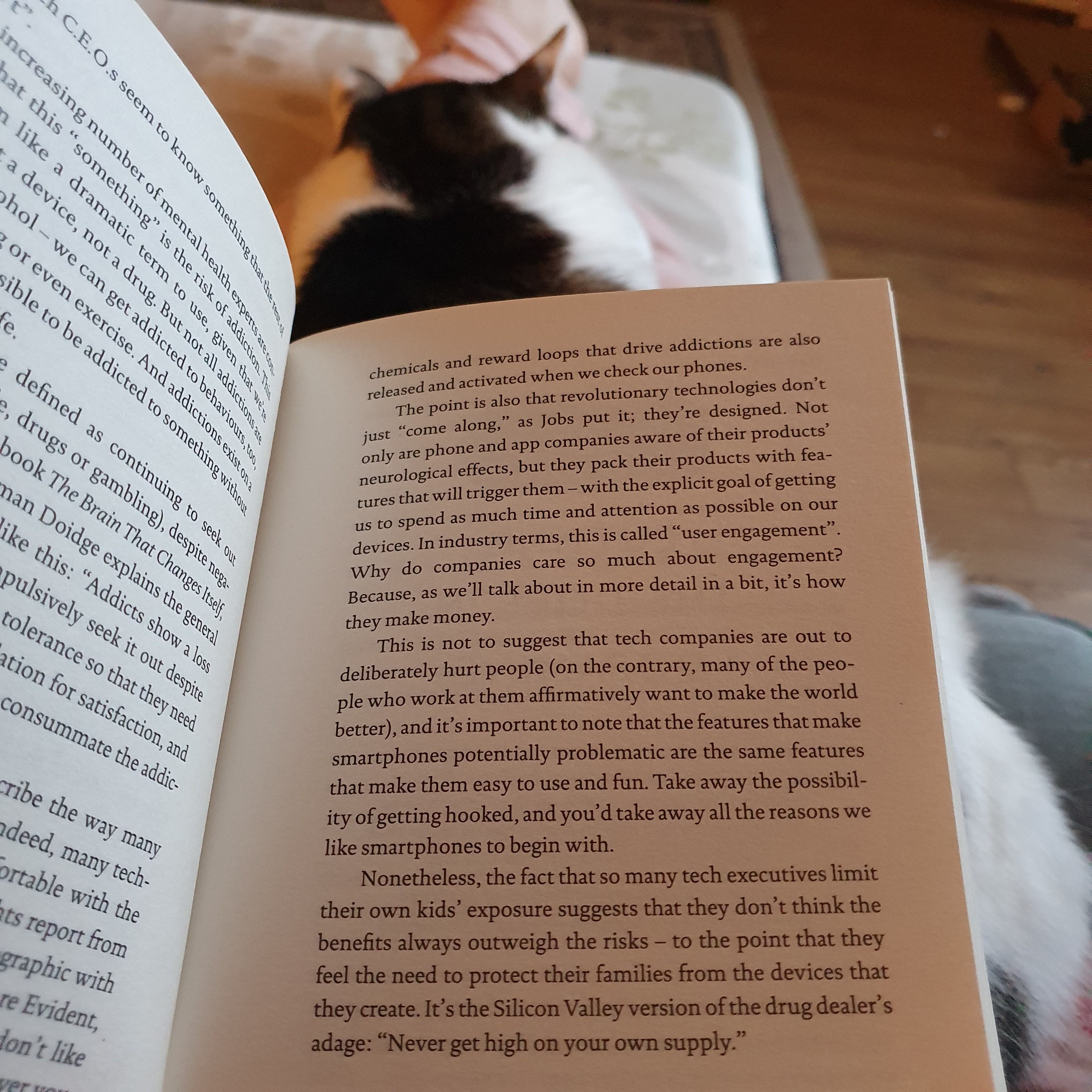
I attempted to read How to Break Up With Your Phone in 2020, but given how dependent we were on technology to keep in contact with family and friends during long periods of lockdown, it just didn’t seem like the right time. Picked it up again recently as I still want to reduce the amount of time I spend staring at a screen, and this really helped me to achieve my goal. The first half of the book focuses on explaining how and why smart phones, the internet and social media are so addictive, and how they are rewiring our brains, as well as making us more distracted, stressed, depressed and tired. The second half of the book gives practical advice and a 30 day detox plan on how to break our phone habits and create a healthier relationship with our phones. One of the aspects I really liked about this is that Price recognises how useful phones can be helping us with a variety of tasks from banking and navigation to camera and keeping in contact with others, so she doesn’t advocate getting rid of our smart phones altogether, just creating boundaries around their use to help us save time, improve our relationships and end the constant state of distraction many of us are stuck in. I haven’t followed the plan exactly but it’s full of useful advice from buying an alarm clock and changing where you charge your phone to installing an app blocker, and understanding why (curiosity, boredom and loneliness, etc)
we reach for our phones in the first place.
Evil Under The Sun by Agatha Christie
Set on a secluded island off the coast of Devon, Hercule Poirot is on holiday when he finds himself investigating the murder of the seductive actress Arlena Stuart. There’s no shortage of suspects with motives and plenty of red herrings along the way. I loved this story until the reveal in the last couple of chapters, but felt a bit cheated as it’s a clever mystery and solving it relies on a key peice of information that isn’t uncovered until near the end, but Evil Under the Sun is still a thoroughly gripping whodunit.
This Changes Everything by Naomi Klein
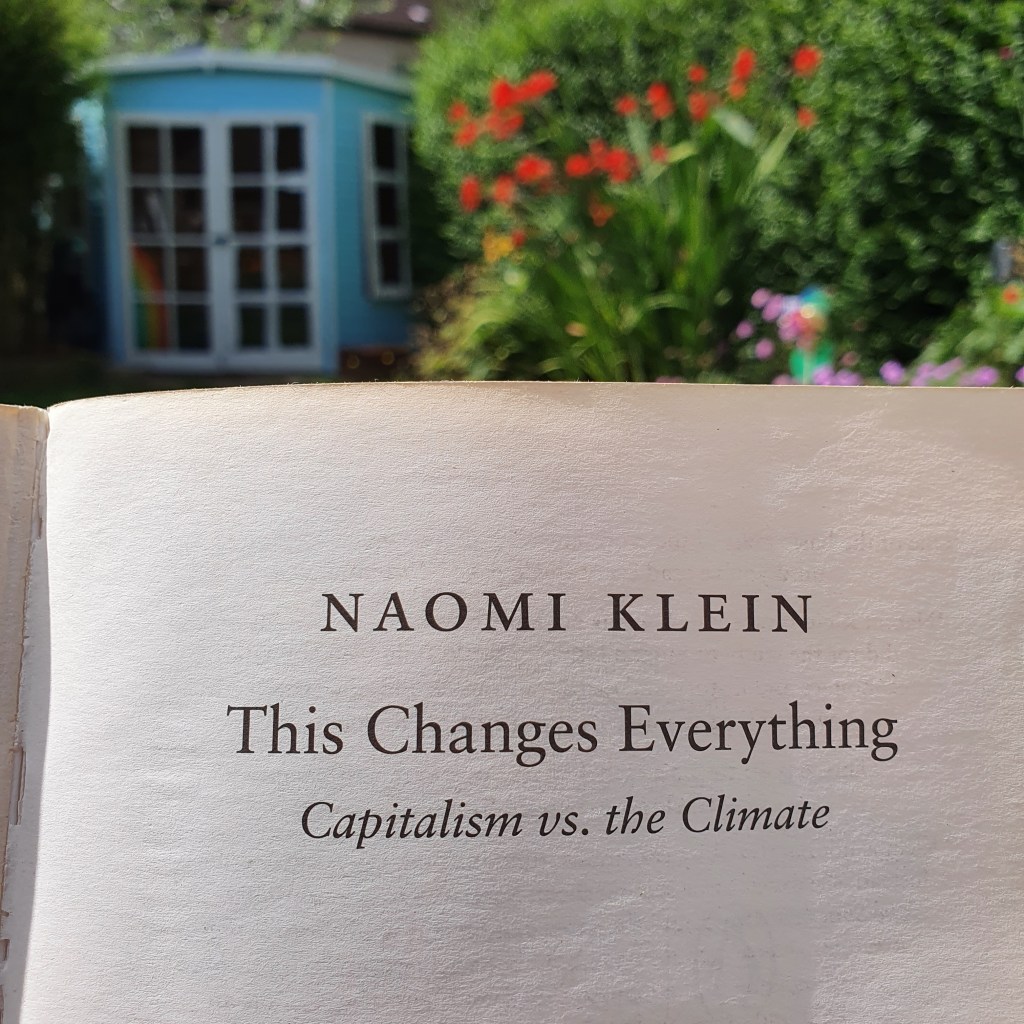
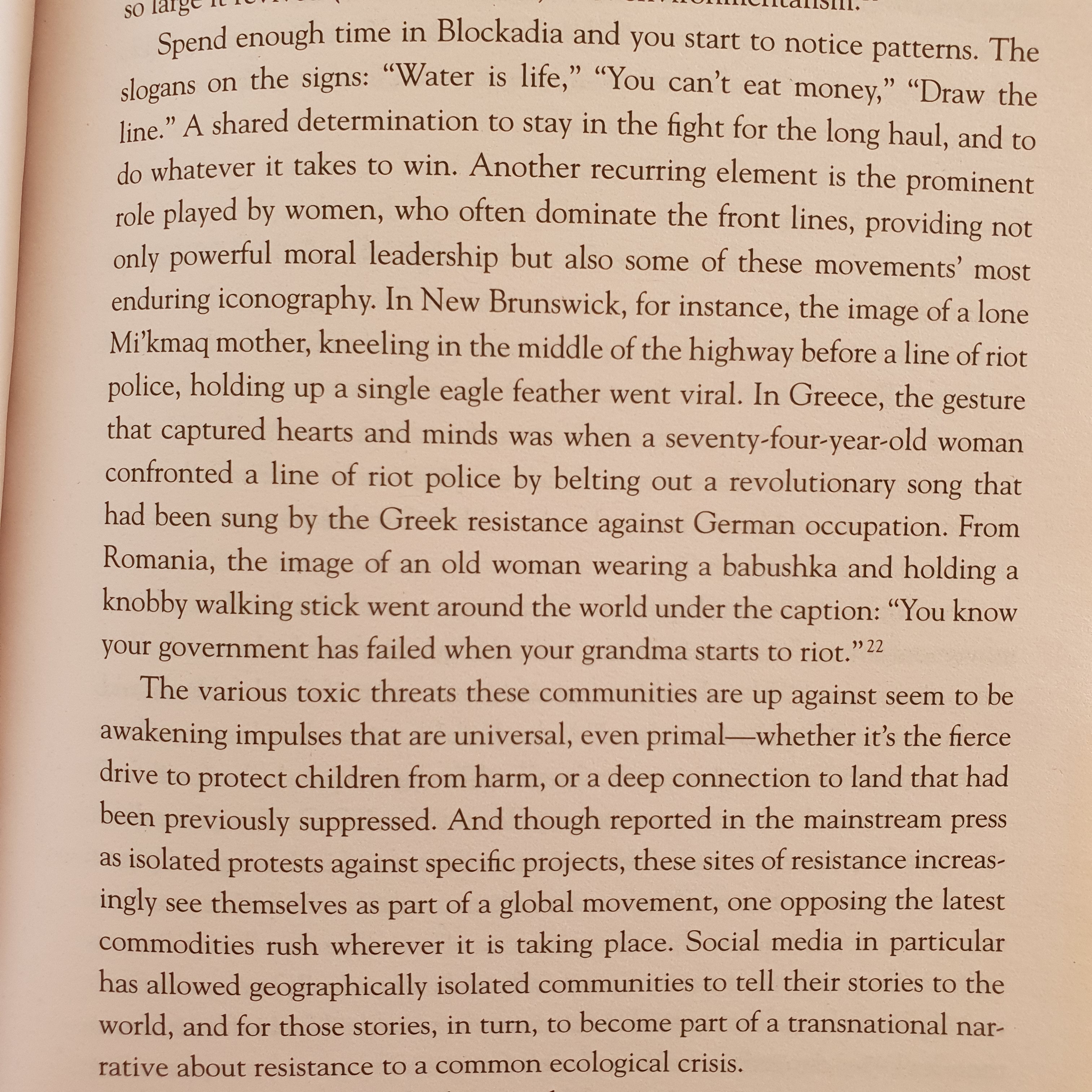
A comprehensive book about how climate change and capitalism are intertwined. Split into three parts, the first part considers how we ended up in our current situation, from the invention of the steam engine and the Industrial Revolution through to neoliberalism, deregulation and free market economy, covering climate change denial largely funded by the fossil fuel industry, and how NAFTA and WTO undermined investment and trade in green technology, while the Kyoto Protocol and climate summits have balked at regulating or holding the biggest polluters to account over the years.
The second part considers all the ways we’ve tried to avoid reducing carbon emissions and Klein debunks carbon offsetting, pining our hopes on philanthropic billionaires who are often heavily invested in polluting industries (like Richard Branson and Bill Gates), and some of the scientific community’s frankly terrifying proposals about how to geo-engineer the climate to reduce global warming (seriously, look up sun dimming).
One of the most compelling arguments is that the same individuals and industries that are exploiting natural resources in their relentless quest for growth and profit, are also exploiting employees and customers as well as polluting the water, air and soil, and this really ties together how climate change and social justice are connected.
The final section offers more hope recounting how protests have erupted all over the world against the Keystone XL pipeline, Arctic drilling and fracking, often leading to legal challenges, moratoriums and bans. This Changes Everything is a little dated (published in 2014 when Obama was still president and before Brexit here in the UK) but it’s still informative, terrifying, inspiring and a great place to start if you’re interested in climate change or conservation.
Have a lovely week. X
 Lovely and Grateful
You must be logged in to post a comment.